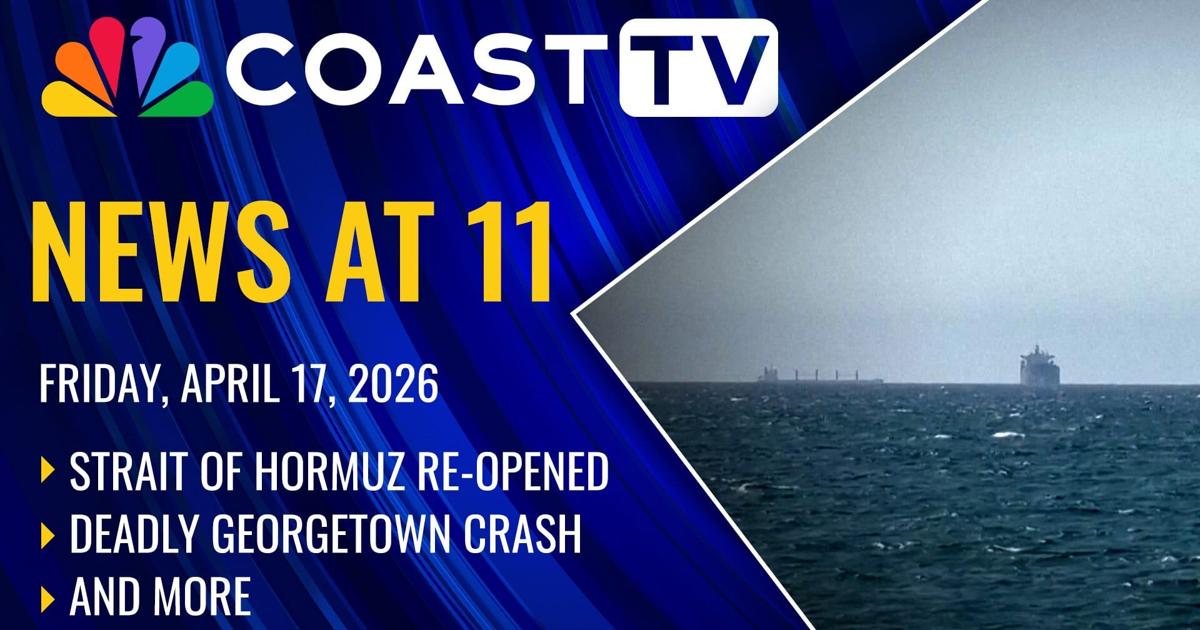
The United States imposed a blockade on ships entering or leaving Iranian ports on Monday, April 13.
The threat of blocking maritime traffic in the Red Sea was made by Iran on Wednesday, April 15, if the United States continued to enforce a blockade on Iranian ports, stating that this could lead to a violation of the ceasefire.
If the United States maintain their maritime blockade and “create insecurity for Iranian commercial ships and tankers,” it would be “the prelude” to a violation of the ceasefire, in effect since April 8, according to General Ali Abdollahi, chief of the Iranian armed forces command.
“The powerful armed forces of the Islamic Republic will not allow any export or import in the Persian Gulf, the Sea of Oman, or the Red Sea,” he added, according to a statement broadcast by state television.
Ships passing through strait despite the blockade
Iran does not border the Red Sea but can rely on its allies in Yemen, the Houthi rebels, who have threatened to target ships in the area, which they dominate from their mountainous positions.
Due to a lack of agreement with Tehran to end the conflict after discussions in Pakistan, the US military announced on Sunday the imposition of a blockade on “ships of all nationalities entering or leaving Iranian ports and coastal zones” since Monday at 2:00 PM GMT.
Tehran has blocked the Ormuz Strait since the beginning of the war triggered by an Israeli-American attack on Iran on February 28. However, some ships from Iranian ports crossed it on Tuesday, according to maritime tracking data. Despite the blockade, navigation from Iranian ports continues, according to the Iranian news agency Tasnim, citing anonymous sources. “Commercial ships have set course for several locations around the world” in the past 24 hours, the source said.