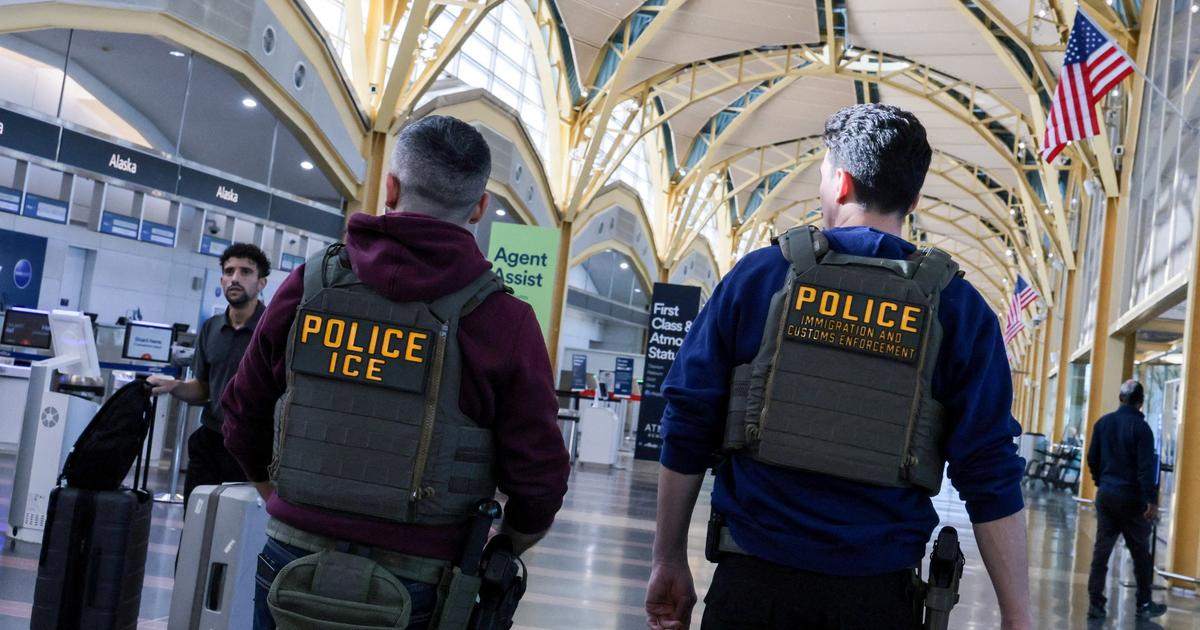
The stock indices on Wall Street extended their gains, oil prices fell, and the allure of the dollar as a safe haven diminished on Tuesday as the United States indicated that new peace talks with Iran could be imminent, even as the blockade on Iranian ports remains in place.
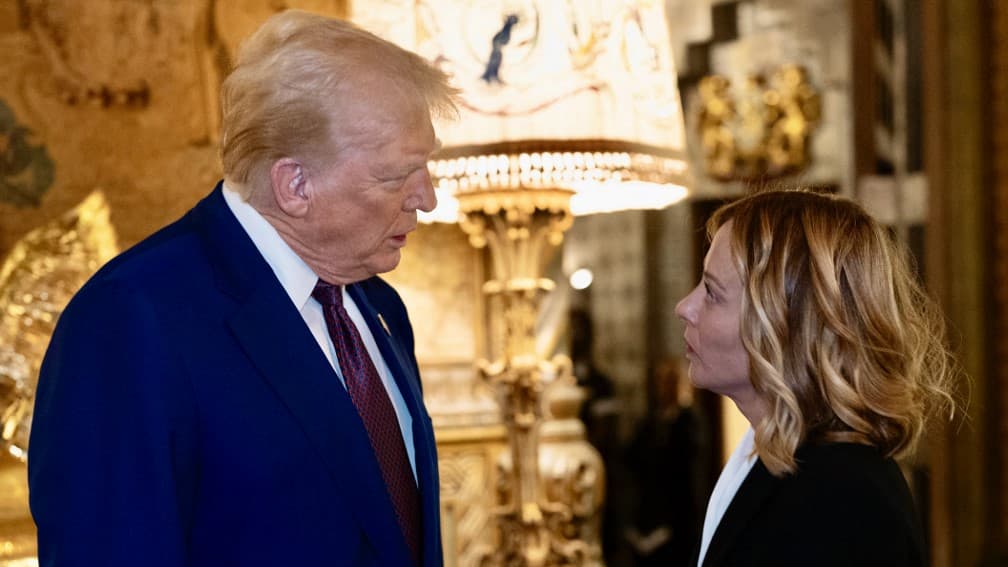
US President Donald Trump stated that talks could resume in Pakistan over the next two days, after being interrupted over the weekend. Pakistani and Iranian officials also indicated negotiations could resume, with the agenda including transit through the Strait of Hormuz, Iran’s nuclear activities, and international sanctions.
The Dow Jones Industrial Average advanced by 0.63% to 48,522.30, the S&P 500 rose by 1.11% to 6,962.85, and the Nasdaq Composite strengthened by 1.84% to 23,611.10.
“The shift from conflict between the US and Iran from missiles to words leaves markets hopeful for an end to the war,” said Bob Savage, market macroeconomic strategy head at BNY.
Tech giants’ gains helped restore the S&P 500 to pre-war levels. The STOXX 600 in Europe gained ground by 0.99% on the day but remained below its February 27 closing level before US and Israeli strikes on Iran.
On a cautious note, Saxo’s chief investment strategist Charu Chanana stated that markets were “trading on hope, not resolution.” The International Monetary Fund revised down its global growth forecasts.
Several financial company earnings results were recorded, with asset manager BlackRock reporting increased profits in the first quarter, causing its stock to rise by 3.5% and offset some losses incurred since the start of the year. Citigroup exceeded first-quarter earnings estimates, with its stocks rising over 3%. JPMorgan also beat forecasts, although its stock fell by 0.6%.
DOLLAR DECLINE
The dollar index, measuring the greenback against a basket of currencies including the yen and euro, fell to near its late February levels, sliding by 0.26% on Tuesday to 98.09. The dollar’s safe-haven status had boosted the currency since the start of hostilities, but it dropped to 97.978 at the session’s beginning, its lowest level since the war’s onset. US Labor Department’s inflation data weighed on the dollar, with the Producer Price Index showing a 0.5% increase last month, below the 1.1% rise economists had expected according to a Reuters survey.
OIL RETREATS
Oil prices dropped, with hopes of new dialogue to end the war outweighing concerns over supply disruptions. Brent fell to $95.02 per barrel, down 4.37% on the day, while US crude lost 7.27% to trade at $91.88 per barrel. Both benchmarks were above $100 per barrel the previous day, when the US began blocking Iranian ports, angering Tehran and adding uncertainty to flows through the Strait of Hormuz. A Bank of America survey of international fund managers in early April showed investors expecting oil prices to reach $84 by year-end.
INFLATION FEARS SUPPORT TREASURY YIELDS
US Treasury yields fell, with the two-year yield dropping by 2.6 basis points to 3.755% and the benchmark 10-year yield falling by 3.7 basis points to 4.26%. Two-year Treasury yields, which generally move based on expectations of Fed rate cuts, were nonetheless around 40 basis points higher than late February levels as energy price increases fuel inflation fears. This prompted investors to prepare for the possibility of major central banks revising their rate cut or pause forecasts this year and leaning towards hikes.