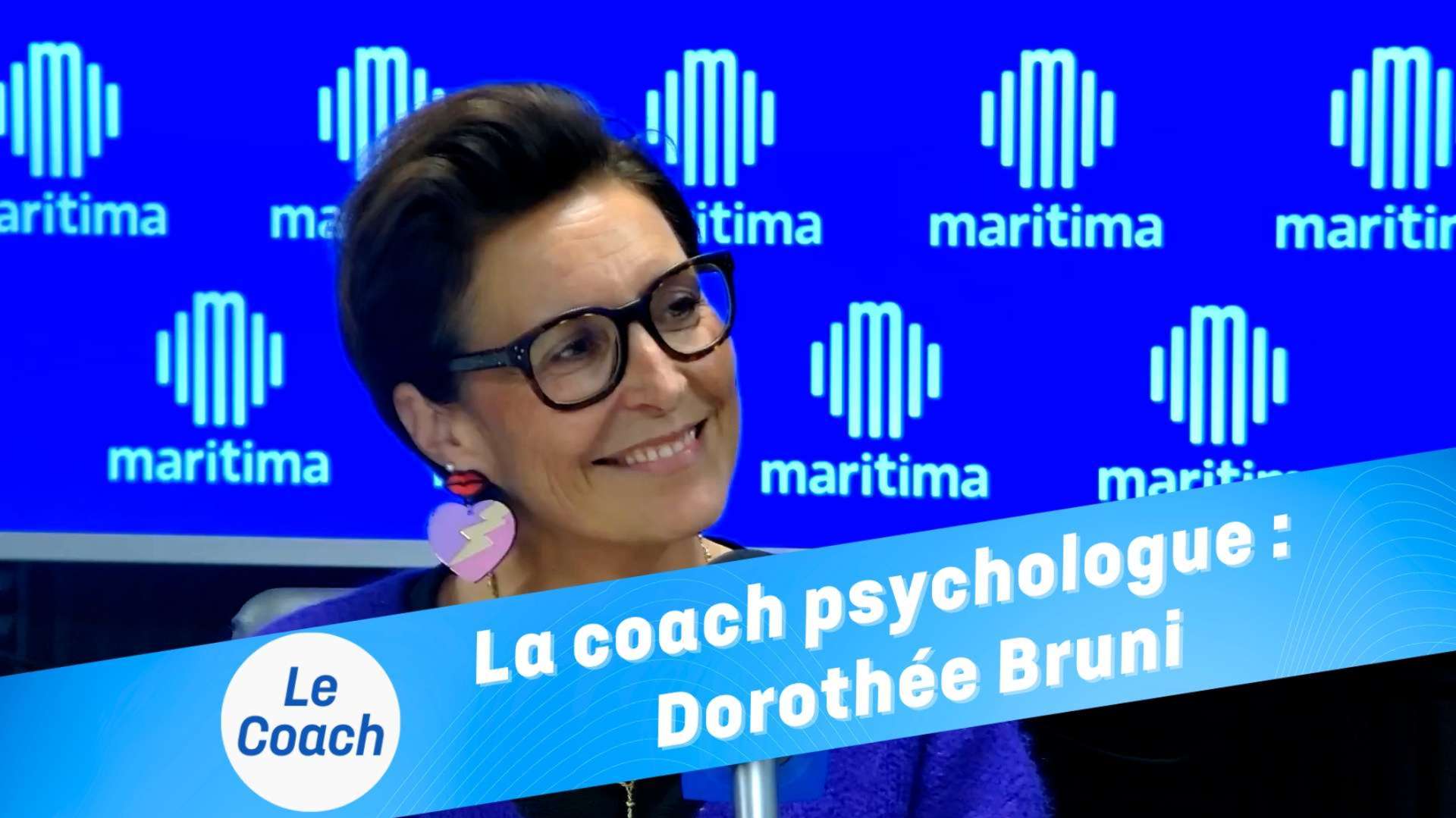
Admiring a singer, a footballer, or an actress is a common, almost universal phenomenon. But where does admiration stop and obsession begin? In our column “The Coach,” psychologist Dorothée Bruni decrypts the complex relationship between fans and celebrities and helps us identify warning signs.
The word “fan” is not insignificant: it derives its root from the term “fanatic.” While for most of us, being a fan is limited to following an artist’s news or attending their concerts, for others, this passion can become consuming. “Like everything else, it’s a question of balance. Admiration can be a driving force, an inspiring model, but it can also shift towards a destructive passion,” explains Dorothée Bruni in an interview with Maritima.
Fanaticism: when one loses themselves
One of the main dangers identified by the psychologist is the loss of self. The fan no longer lives for their own projects, but rather lives vicariously through their idol’s life. “We note a shift from the moment the fan loses themselves, when it creates psychological suffering. The fan ends up losing their professional, family, and social bearings,” she stresses. This disconnect from reality is often amplified by social networks, which give the illusion of immediate and constant proximity to the celebrity.
Erotomania: a psychiatric disorder
In extreme cases, the relationship can lead to erotomania. This is a delusional conviction of being loved by a person, often a celebrity. According to Dorothée Bruni, this disorder generally follows three stages:
– Crazy love: Immense hope and the certainty of a reciprocal bond. – Disappointment: The fan realizes their love is not reciprocated. – Vengeance: The passion turns into hatred or aggressive behavior.
Warning signs for loved ones
For parents of teenagers or spouses, it is crucial to identify when the passion changes nature. The warning signals include:
– Isolation: The individual locks themselves in their room and lives only for their passion. – Global disinterest: School, friends, or sports no longer matter. Only the idealized “character” exists. – Loss of the sense of reality: The fan no longer distinguishes the celebrity’s public life from their own private life.
A reciprocal intrusion
The fan/celebrity relationship also raises the question of the star’s intimacy. “To what extent does the public figure agree to open up to strangers?” questions Dorothée Bruni. Sometimes, despite themselves, the celebrity becomes a family member for individuals they will never meet, creating a deep relational imbalance.
:format(jpeg)/f/3/h/phpilth3f.jpg "Erik Truffaz: Rollin and Clap on replay")