Cuba accused the United States on Wednesday of being responsible for the “widespread” electrical grid situation on the island, as Washington renewed, under conditions, an offer of $100 million in aid.
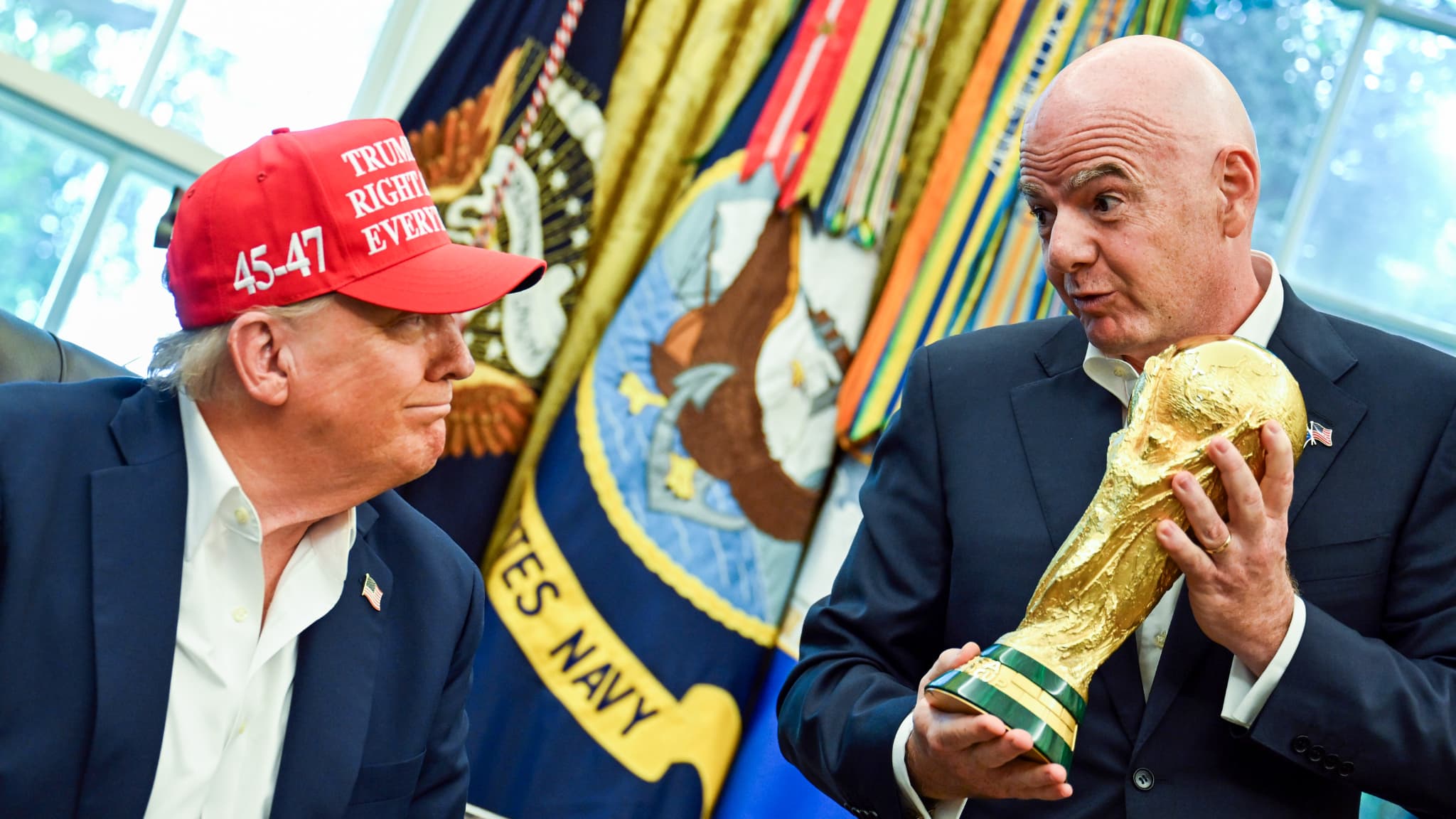
In a statement, the State Department reiterated its offer of financial aid to the communist regime, subject to harsh U.S. sanctions, on the condition that this aid be distributed by the Catholic Church.
U.S. Secretary of State Marco Rubio, whose parents are of Cuban origin, initially made this proposal during a visit to the Vatican before claiming that Cuba had rejected it. A statement denied by the Cuban government.
Tensions have escalated in recent weeks between Washington and Havana, even though the two countries are in talks and a high-level diplomatic meeting took place on April 10 in the Cuban capital.
At the beginning of May, Cuba accused Marco Rubio of “lying” after he stated that Washington was not imposing an oil blockade on the island, but that the Cuban energy crisis was due to poor internal economic management.
Since the fall of Venezuelan President Nicolas Maduro, a Cuban ally captured by U.S. forces in early January, Washington has been applying maximum pressure on the island, which has been under a U.S. embargo for over six decades.
President Trump signed a decree at the end of January stating that Cuba, located 150 km off the coast of Florida, poses an “extraordinary threat” to the United States. He threatened retaliatory measures against any country wishing to provide or sell oil to Havana.
For several days, the situation of the electrical grid has once again become critical on the island of 9.6 million inhabitants, with very long blackouts and electricity production at its lowest. According to official figures compiled by AFP, 65% of Cuban territory experienced simultaneous cuts on Tuesday.
Havana is experiencing power cuts exceeding 20 hours a day, while in the provinces, outages last for entire days. Most Cubans spend more time without electricity than with it.
“This dramatic worsening has only one cause: the genocidal energy blockade that the United States imposes on our country,” denounced Cuban President Miguel Diaz-Canel.
Since the end of January, only one Russian oil tanker has been authorized to dock in Cuba with 100,000 tons of crude oil, which temporarily improved the situation, but is now “exhausted,” said the Minister of Energy and Mines, Vicente de la O Levy, on state television.
According to the Cuban president, the “energy persecution” against Cuba is part of a “cruel plan” by Washington whose main objective is “to make an entire people suffer, to take them hostage, and to turn them against the government.”
On Wednesday, dozens of people, some banging on pots, protested against the blackouts in San Miguel del Padron, a peripheral neighborhood of Havana, according to an AFP resident.
In the evening, residents of several neighborhoods in the capital also banged on pots to express their frustration, as reported by AFP. “Give us light!” shouted residents of Playa, a western neighborhood of the capital, observed AFP.
The country remains “standing” and is not “bankrupt,” declared the Cuban president, in reference to a phrase used by Donald Trump on Tuesday, assuring that the United States would soon “talk” with Cuba.
Electricity production on the island largely depends on seven aging thermal power plants, supplied with locally produced oil. In addition, there is a network of backup generators, powered by imported diesel, which are currently shut down.
Since late 2024, the island has experienced seven widespread power outages, including two in March of this year.
To reduce its oil dependence, the Cuban government is installing solar parks with the support of China.