The failure of discussions held in Pakistan last week is not just another diplomatic setback in a conflict saturated with tensions and bombings. It is a symptom of a deeper problem within a ceasefire miraculously achieved for two weeks: the absence of a mediator capable of speaking to all parties without being perceived as a peripheral actor or being manipulated.
By Sébastien Boussois, Ph.D. in Political Science
Pakistan is trying again, but success is far from certain given the complexity of the situation. In this context, as Pakistan was once seen as a serious option for starting discussions, another player is gradually re-emerging: Qatar, a country familiar with both belligerents and on good terms with them.
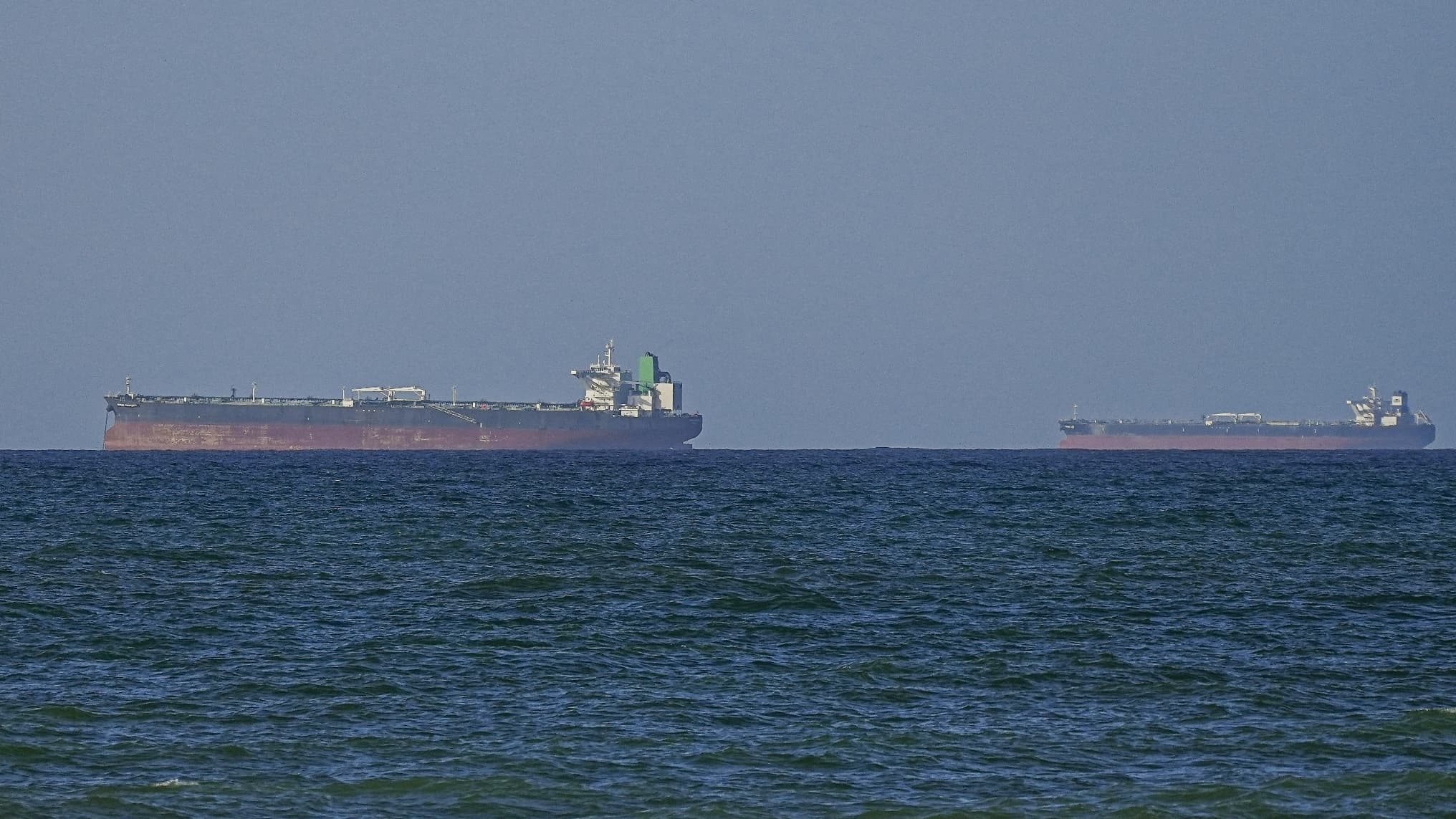
The recent signals from Qatari Prime Minister and Minister of Foreign Affairs, Mohammed bin Abdulrahman Al Thani, are particularly clear. By calling for a “positive response from all parties to mediation efforts” and warning against using maritime routes as dangerous pressure tools, Doha is not just making a token statement but urging de-escalation, securing flows, and opening credible channels for dialogue.
The problem is not only the absence of dialogue but also the issue of the location and intermediary. Despite Pakistan’s stated desire to play a role, it lacks the diplomatic depth, perceived neutrality, and necessary connections to be effective in such a sensitive crisis. In contrast, Qatar ticks all the boxes of an effective mediator.
A Proximate Mediator, Not a Facade
Qatar’s first strength lies in its political geography. It is in the region, at the heart of Gulf power dynamics. It doesn’t watch the conflict from afar; it directly experiences the consequences and has been hit hard by Iran. This proximity is not a hindrance but a lever. It gives Doha a nuanced understanding of each party’s red lines and the ability to act swiftly without depending on lengthy external decision-making chains.
In a crisis where every hour counts and the end of the ceasefire is approaching rapidly, this responsiveness is crucial. When Qatar’s Foreign Minister emphasizes freedom of navigation, it is not just a theoretical principle but a strategic imperative for the entire region and the world.
An Engaged Actor, Not Confined
A key asset for Qatar is its engagement without being tied to one camp. While other powers may seem aligned or suspicious, Doha has cultivated a balanced diplomacy for years. This position enables Qatar to keep channels open with actors who would otherwise not communicate.
This unique position is evident in the U.S.-Iran face-off. Qatar maintains strong relations with Washington while also having functional ties with Tehran. Few actors today have such dual access capacity.
A Proven Mediation Experience
Most importantly, Qatar is not an improvised mediator. Over the years, it has built true expertise in managing complex crises. Whether in indirect negotiations, hostage releases, or facilitating impossible dialogues, Doha has shown its ability to deliver results where others fail. This expertise has extended to Syria, Afghanistan, Gaza, and the conflict between the DRC and Rwanda.
This experience gives Qatar credibility that occasional mediators like Pakistan lack. It allows Qatar to understand the blockages and propose adaptable discussion formats, moving away from rigid diplomatic protocols. This approach also resonates with the Trump administration.
Breaking the Deadlock with Realism
After the Pakistani setback, the temptation to launch new initiatives or find a supposedly “neutral” mediator might arise. However, realism dictates returning to a proven actor with the necessary networks and a direct interest in avoiding regional escalation. The recent statement by the Qatari Foreign Minister is significant, extending a hand but also issuing a warning: without genuine commitment from all parties, no mediation can succeed. And without credible mediation, the risk of escalation becomes inevitable.
(*) Ph.D. in Political Science, researcher on Arab world geopolitics and international relations, Director of the European Geopolitical Institute (IGE) associated with CNAM Paris (Security and Defense team), at the Geneva Geopolitical Strategic Observatory (Switzerland). Media consultant and columnist.