Gilles Kepel Discusses Possibility of Peace Agreement Between Iran and USA
Gilles Kepel, specialist in the Arab world, was a guest on “Tout est politique” on Friday, April 17. The specialist answered Myriam Encaoua’s questions about the possibility of a future peace agreement between Iran and the United States.
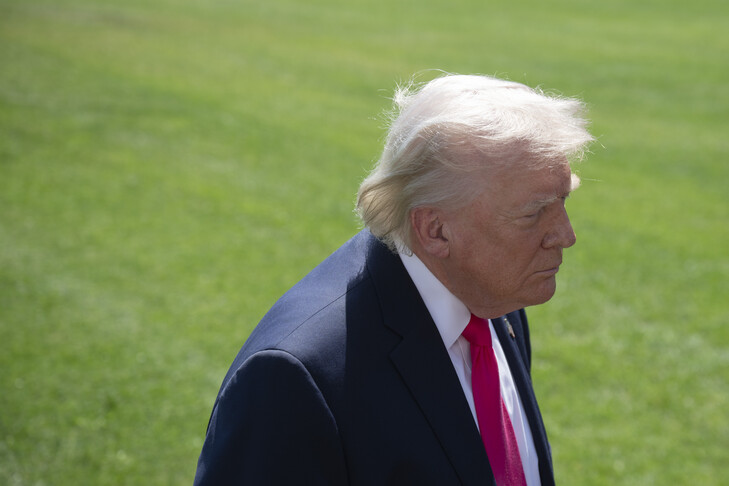
Myriam Encaoua: Is the purchasing power of Americans Donald Trump’s Achilles’ heel more than anything else?
Gilles Kepel: Yes, that’s why we are currently seeing a shift from military confrontation to focusing on economic issues in the war with Iran.
With a significant drop in oil prices, how do you view today, Gilles Kepel? Because it has been a very eventful day at the White House. Tonight, the American president told AFP that a comprehensive peace agreement with Iran is close. Should we believe him?
He has said it many times already. When you lie a lot, people stop believing you. But why not? Indeed, there has been a cessation of military activities. In the last two days, even Iran stopped its actions. It was Iraqi proxies who, from Iraq, sent some missiles and drones to Kuwait and Bahrain. The United Arab Emirates and Saudi Arabia were not impacted. And in Lebanon, there is a form of non-belligerent activeness. It is clear that both sides are willing, for now, to cease arms and engage in a different type of negotiation, which is economic and political.
Including the Iranians? Do you think they are ready to enter this new phase?
It’s very difficult to say definitively without the numbers, especially since Iran is quite secretive. But from what we can gather, Iran is in an economically catastrophic situation. It was already the case before. There have been massive infrastructure destruction and the American counter-blockade, which managed to stop about ten ships carrying Iranian oil, is working.
Tactical victory for the American naval blockade?
For now, yes. In essence, many thought the Americans wouldn’t dare. Some commentators believed the United States would never stop a tanker with Chinese flags in front of American destroyers. However, the tankers did not have Chinese flags because they were carrying sanctioned oil cargoes. They flew the Malawi flag or flags of convenience. And none have passed. So in a way, the US has managed to disrupt China’s oil supply from Iran and most importantly, reduce Iran’s revenue.
Do you think China also played a role in this opening? We have this opening announced by the Iranian Foreign Minister. Can we talk about an opening tonight in the Iranian Strait of Hormuz?
Let’s wait and see, but the Iranians had never mentioned reopening until now. Indeed, the Chinese cannot afford, even though they currently have significant oil reserves, for this situation to last forever because they are a manufacturing empire that requires a constant flow of oil to avoid a bad situation. This is not necessarily what they want. Moreover, it is clear that all countries want to slow down. For example, if the oil flow remains blocked for a long time, including LNG, we will have problems with kerosene, and some airlines have already canceled flights and routes starting from the end of the month.