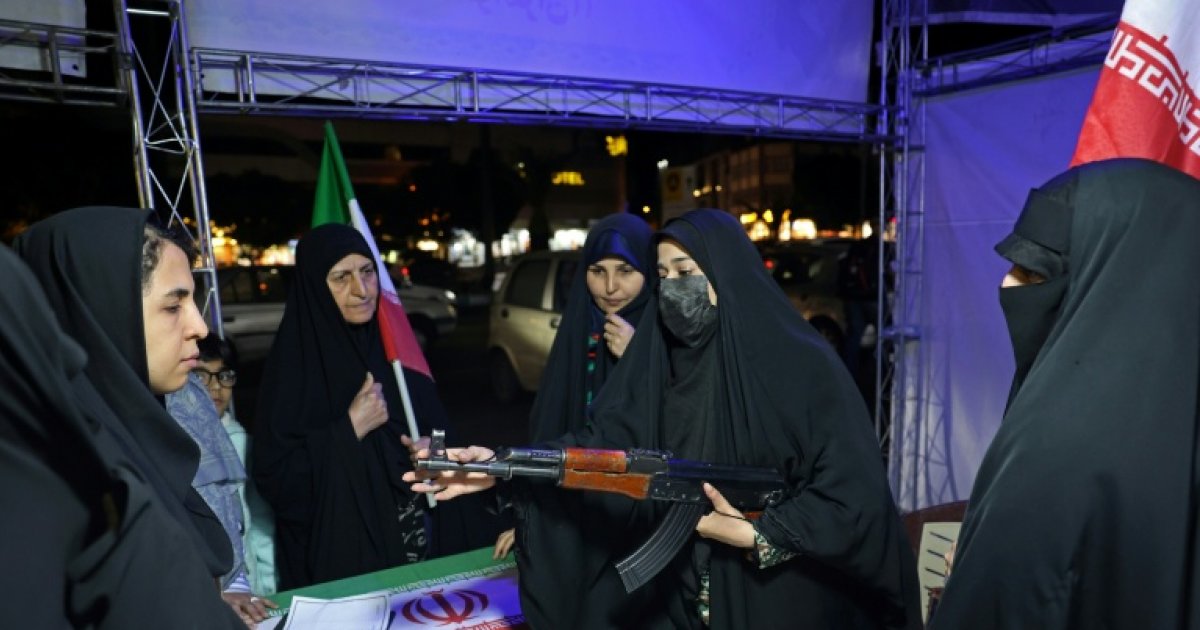
The situation in the Middle East remains extremely tense despite the ceasefire that went into effect on April 8 between Iran and the United States. After more than a month of conflict triggered by the Israeli-American strikes on February 28 against the Islamic Republic, diplomatic exchanges struggle to progress, and military threats are multiplying once again.
The President of the Iranian Parliament, Mohammad Bagher Ghalibaf, accused the United States on Wednesday, May 20, of wanting to reignite hostilities against Iran. In a message relayed by Iranian media, he stated that Washington had not “given up on its military objectives” despite the economic and political pressures exerted against the Islamic Republic.
Iran plans to expand the conflict beyond the Middle East, according to Mohammad Bagher Ghalibaf, who emphasized the need for Iran to bolster its military readiness to respond to any new attack. He also stressed that his country would never bow to intimidation, accusing the United States of hoping for an Iranian “surrender.”
At the same time, the Revolutionary Guards threatened to expand the conflict far beyond the Middle East in case of new American strikes. The Iranian ideological army claims to have military capabilities still untapped despite the recent battles.
Despite these harsh statements, Washington assures that diplomatic contacts continue. Vice President JD Vance even mentioned “good progress” in the exchanges with the Iranian side.
The conflict initiated on February 28 has deeply destabilized the region. The Israeli-American strikes have cost the lives of several senior Iranian officials, including Supreme Leader Ali Khamenei, leading to a wave of Iranian retaliations against various American and allied interests in the Gulf region.
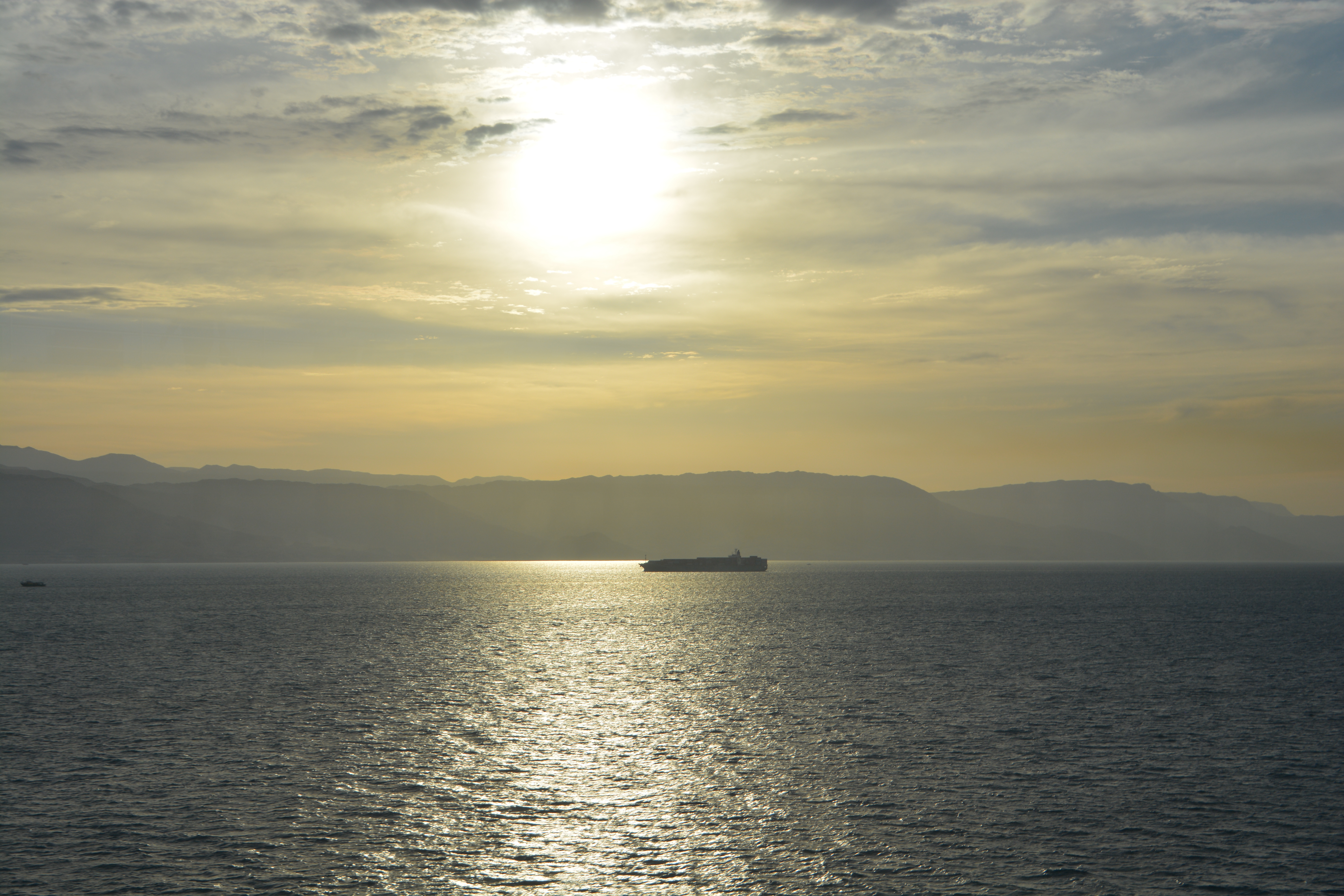
Washington and Tehran remain at odds, with no diplomatic breakthrough and persistent tensions surrounding the strategically vital Strait of Hormuz, creating fears of a swift resumption of hostilities.
Russia and China have shown diplomatic support for Iran, denouncing the American and Israeli strikes as violations of international law. They called for a swift resumption of negotiations to avoid further escalation in the global energy crisis. Qatar has also advocated for allowing more time for diplomacy as discreet mediators continue to try to maintain dialogue between Tehran and Washington.
Despite the ceasefire, the situation remains extremely unstable, with potential threats from both Washington and Tehran, stalled diplomatic efforts, and ongoing tensions around the Strait of Hormuz fueling concerns of a rapid resurgence of hostilities.
Oil markets are especially attentive to developments, with oil prices slightly retracting after the announcement of a South Korean ship crossing the strait, but investors remain wary of the possibility of a more significant disruption in maritime traffic.
Iran appears to be aiming to demonstrate that it retains strategic control over the region while currently avoiding a large-scale direct confrontation with the United States.