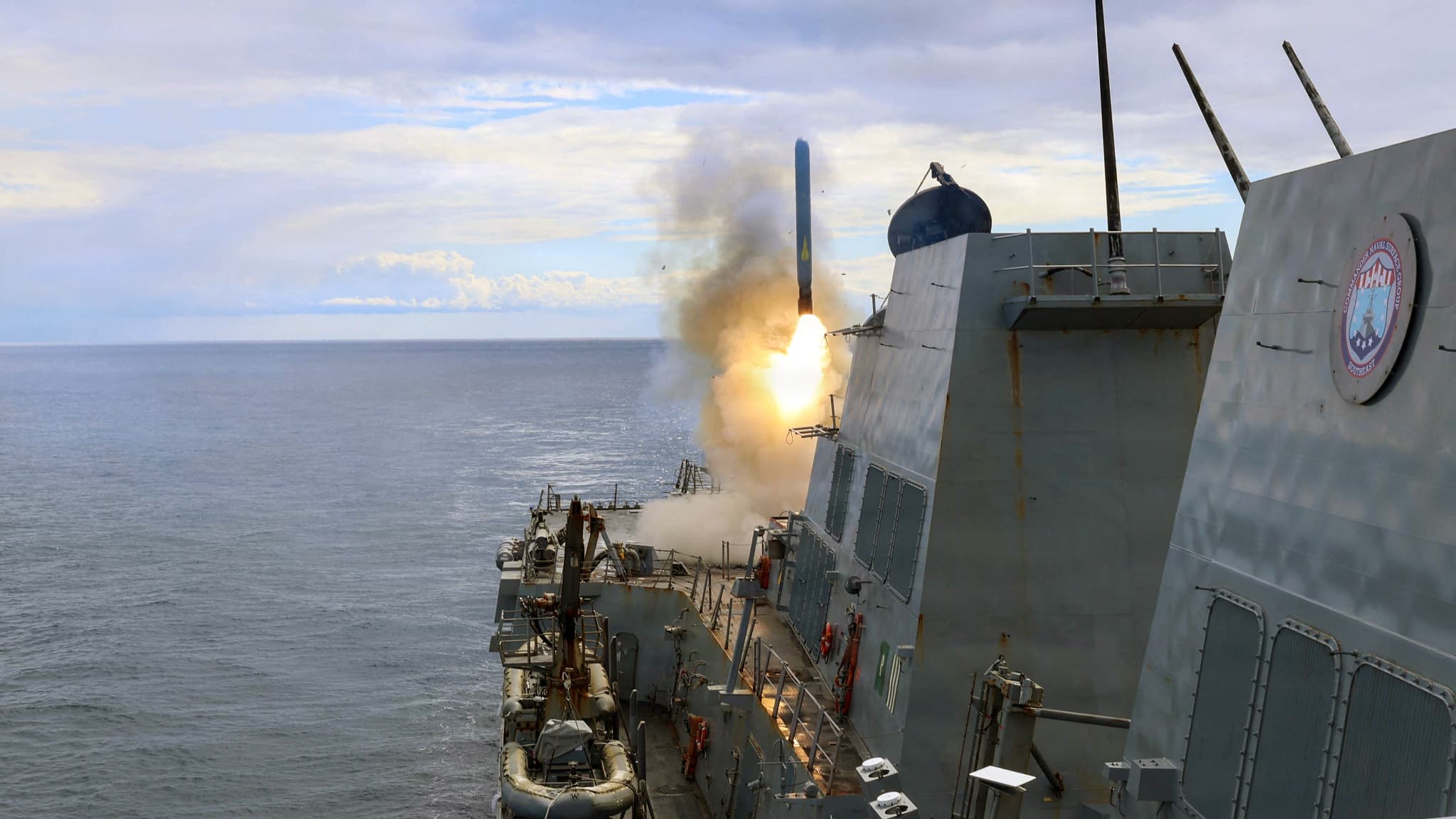
The news shows it: the drone war is in full swing. In Ukraine, the drone has become the infantryman’s grenade of the 21st century. In the Strait of Hormuz, as in the Red Sea, drone attacks are now the preferred mode of action for our competitors. How to retaliate, how to resist? The problem with drones is that their industry is primarily dual, meaning both civilian and military. Today, anyone can buy their drone, whether it’s French, Chinese, or American. Potentially, anyone can add a payload: a camera, yes, but potentially an explosive, surveillance, or intelligence-gathering payload. That’s the whole problem with drones: the industry is driven by the entertainment world and is capable of lowering costs and accelerating development. In response, the field of counter-drone (C-UAS) is not dual. Therefore, it must find ways to respond, to shield against the sword, but with a time lag.
How to fight against a drone? A missile, of course, fulfills the contract, but when an ASTER missile costing over three million euros shoots down an Iranian Shahed drone worth only a few thousand euros, the outcome is clear: it was the drone that shot down the missile. So, one must be more imaginative. This is actually what France did during the Paris Olympics. Several challenges: detect, identify, and neutralize.