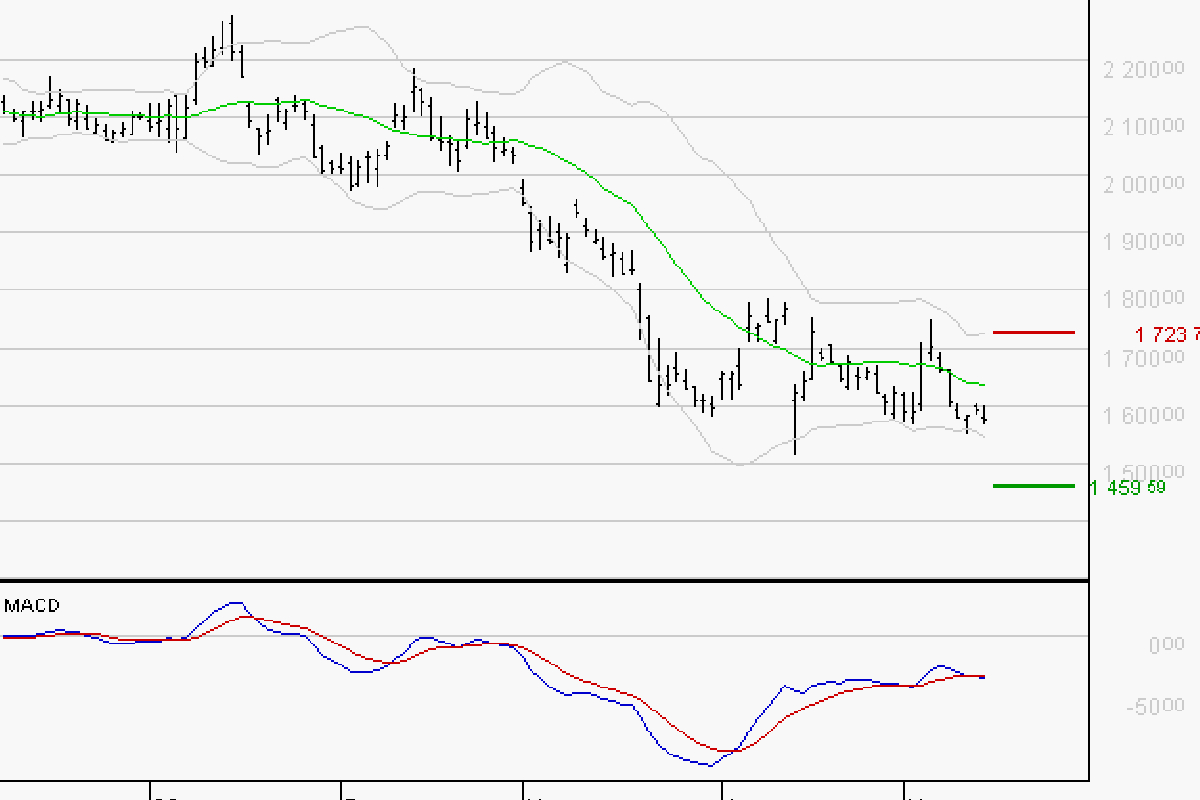
Samsung : An 18-Day Strike Threatens Global AI Chip Production
Failed salary negotiations at Samsung Electronics could trigger an unprecedented crisis in the global technological ecosystem. An 18-day general strike, involving more than 50,000 South Korean employees, threatens to cripple the production of critical components for artificial intelligence starting from May 21, 2026.
This social conflict brutally reveals the simmering tensions between the staggering prosperity of tech giants and the distribution of wealth within. While Samsung has crossed the symbolic threshold of $1 trillion in market capitalization driven by the AI boom, its employees are determined to claim their share of this abundance.
A Social Break in the Heart of the Technological Revolution
There is an irony in this situation that cannot be ignored: for years, tech giants have insisted that artificial intelligence would replace humans. Today, it is precisely these humans who could paralyze global artificial intelligence. Samsung, the world’s leading memory chip manufacturer, is facing an unprecedented social movement in its history.
The main point of contention lies in the sharing of bonuses and salary hikes. As reported by Zonebourse, the union points to SK Hynix, a direct competitor of Samsung, where bonuses reportedly tripled after the removal of their cap. This disparity has become the sticking point in negotiations. Employees are demanding the removal of this cap, a fixed salary increase of about 7%, and a more equitable profit-sharing, especially within the memory division.
An Enormous Economic Cost for the World Economy
The financial impact of such a strike goes far beyond the Korean peninsula. The union estimates that the potential cost could reach 30 trillion won, nearly $20 billion. JPMorgan, on the other hand, estimates the impact on Samsung’s operating profit between 21 trillion and 31 trillion won.
These projections highlight the global technological ecosystem’s extreme dependence on South Korean production capabilities. Samsung’s three strategic sites – Giheung, Hwaseong, and Pyeongtaek – manufacture HBM (High Bandwidth Memory) chips, which have become essential for the operation of large generative AI models.
A previous single-day strike in April had already produced devastating effects: semiconductor production fell by 58.1%, while memory factory output dropped by 18%. South Korean Prime Minister Kim Min-seok himself stated: “just one day of a semiconductor plant shutdown could cost up to 1 trillion won in direct losses.”
A Global Supply Chain Under Strain
The crisis unfolding at Samsung exposes the structural fragility of our interconnected economies. Only three companies in the world currently master large-scale HBM memory production: Samsung, SK Hynix, and the American Micron Technology. Together, these three actors struggle to meet a global demand growing increasingly insatiable due to AI development.
Analysts fear a domino effect throughout the entire supply chain. Ryu Young-ho, an analyst at NH Investment & Securities, highlights concerns about delivery reliability if the strike happens. Price hikes for DRAM memories and HBM chips, delivery delays throughout the tech chain, increased server costs, data center delays, and launch postponements for GPU manufacturers – the specter of a cascading effect is tangible.
Some of Samsung’s strategic clients, led by Nvidia according to reports, have already expressed concerns about supply continuity. Chip division executives have warned that some clients may temporarily stop accepting deliveries during a work stoppage due to concerns over component quality in a disrupted context.
Government Intervention as a Last Resort
Facing the magnitude of the stakes, the South Korean government is taking multiple initiatives to resolve the conflict. The government is now considering emergency arbitration, an extraordinary procedure that could temporarily suspend the strike for thirty days to allow for official mediation.
The numbers speak volumes: Samsung represents 22.8% of South Korean exports and 26% of the national stock market capitalization. The group employs over 120,000 people in the country and has commercial relations with around 1,700 suppliers. The Minister of Industry, Kim Jung-kwan, has warned that a prolonged strike could inflict “irreparable damage” on the national economy. South Korean President Lee Jae Myung has tried to temper tensions on social media, reminding that “business management rights must be respected as well as labor rights in the country’s market economy.”
A Test for the Future of Social Dialogue in Tech
Beyond the immediate issues, this conflict deeply questions the future of social dialogue in a rapidly evolving technological sector. The fifty-fold increase in AI chip-related revenues in the first quarter of 2026 contrasts with stagnant remunerations that only fuel bitterness. This divide resonates with the growing concerns about value distribution in the digital economy – a topic we previously explored through the lens of Samsung Biologics’ sustainability strategy, another branch of the conglomerate facing its own conflicting demands.
Shin Je-yoon, Chairman of Samsung’s board, has expressed concern about “losing market leadership due to customer flight and declining competitiveness” a prolonged halt could trigger. Financial markets have already reacted: while Samsung’s stock fell by 9% on the Seoul Stock Exchange, SK Hynix surged, buoyed by expectations of a partial shift in orders related to AI. This volatility illustrates investors’ nervousness over a conflict that could reshape the global semiconductor market landscape.
The outcome of this showdown will determine not only the future of Samsung but also that of an entire industry, now hanging on the decisions of a few strategic players. In a world where artificial intelligence is reshaping the contours of the global economy, the question of equitable value distribution, also raised in another context through the debate on controversial sponsors of major global events, remains more relevant than ever at the core of our current tensions.