Distinguishing between an authentic video and AI-generated content is becoming increasingly challenging. Creation tools are advancing at a pace that often surpasses the protective mechanisms put in place by platforms.
Facing this reality, YouTube is taking a significant step: its Likeness Detection system, previously reserved for content creators, is now open to celebrities and entertainment industry professionals – with or without a YouTube channel.
An Effortless Tool for Action
The system operates on a logic of simplicity. You don’t need to be an active creator on the platform to access it. Simply visit the YouTube Creator Hub, navigate to the content detection section, and check the Likeness tab. This indicates if the user’s face appears in AI-generated content without consent. From there, a simple report can initiate a removal process.
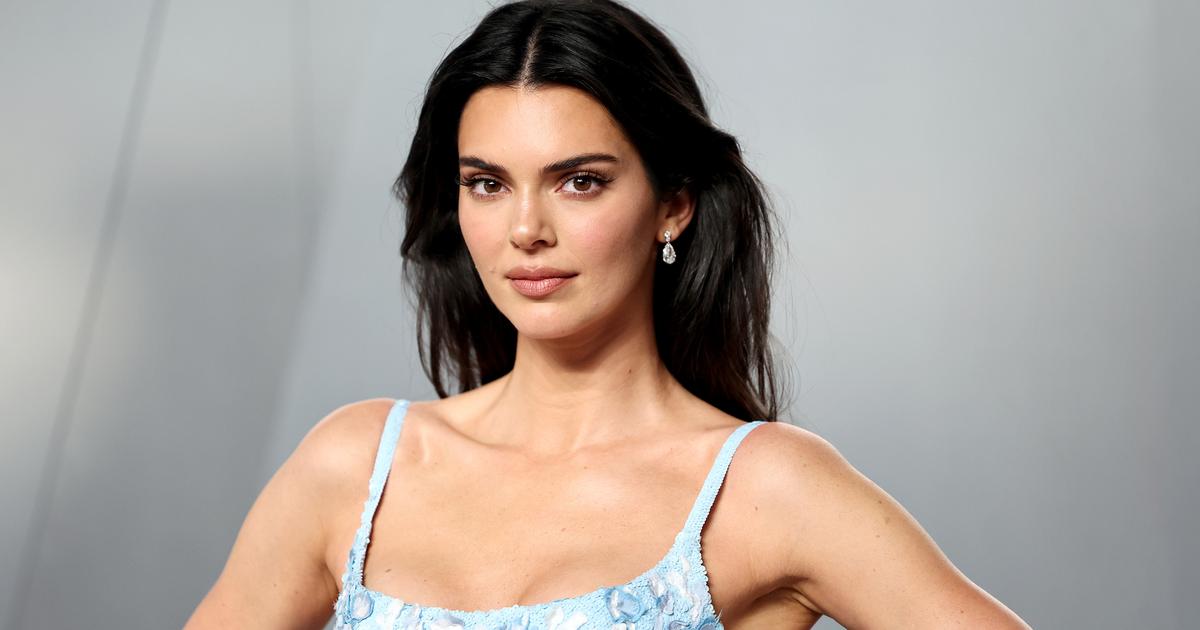
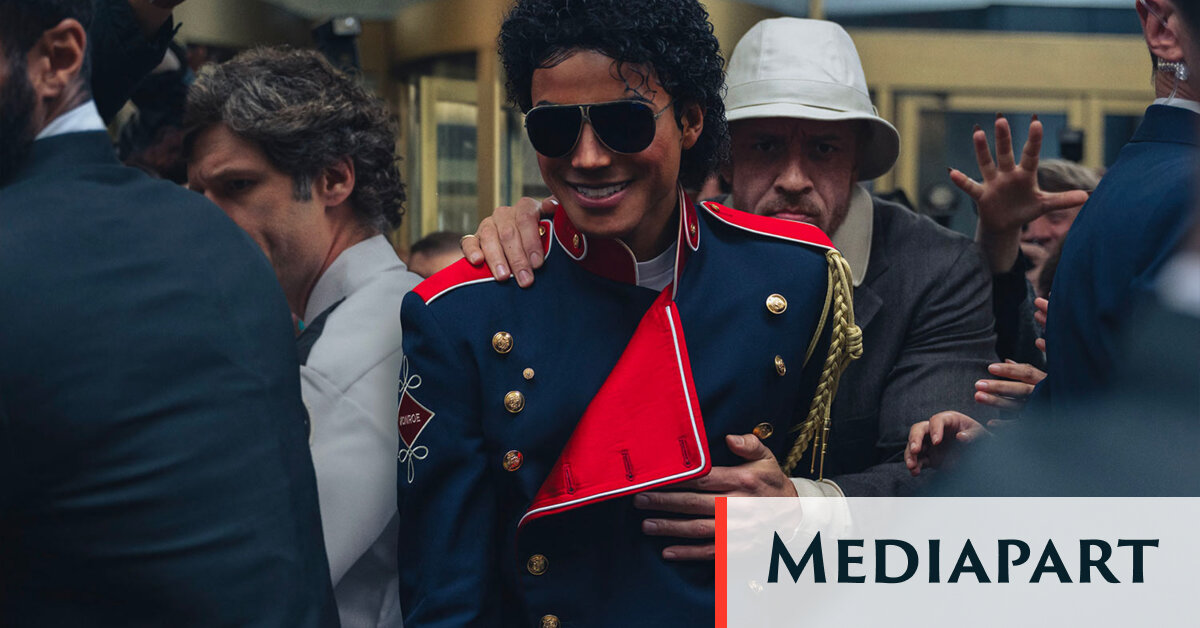
For actors, musicians, and other public figures whose image is a professional asset, this feature holds particular strategic importance. A convincing synthetic video can harm a reputation in a matter of hours, even before the person is aware of it. Having an automated surveillance mechanism represents a tangible advancement.
READ ALSO: YouTube Slows Down Advertising to Preserve Livestream Experience
Deployment Supported by Major Agencies
YouTube did not embark on this initiative alone. The platform worked closely with several top talent agencies and management companies – including CAA, UTA, WME, and Untitled Management – to refine the tool’s application methods for celebrity profiles. This partnership with key players in the Hollywood industry ensures broader adoption and more tailored deployment to real-world scenarios.
Access is now open to all celebrities and entertainment personalities, regardless of their presence on YouTube. This decision significantly expands the platform’s protective scope.
READ ALSO: YouTube on the Big Screen: Conversational AI Enters the Living Room
Necessary Effort in a Race Against Time
This initiative is part of a broader strategy led by Google to curb the spread of misleading synthetic content. In parallel, the search engine has enhanced its own reporting tools for images and videos generated by AI in Google Search results.
The issue goes beyond protecting celebrities. As image and video generation technologies become more realistic, the ability to distinguish between truth and falsehood becomes a structural problem for the entire digital space.
Putting these safeguards in place now – before the technology reaches an even higher level of sophistication – is a fundamental step. The tools will need to evolve at the same pace as the content they seek to detect. YouTube seems fully aware of this, and that is precisely what makes this extension of Likeness Detection promising for the future.
SOURCE: Android Police