
In a document published by the White House, the United States is integrating offensive cyberattacks into their anti-terrorism strategy, targeting narcotrafficking networks and Islamist terrorist groups, while remaining vague about certain other state actors and the actual means involved.
The United States is adjusting its range of responses in case of an attack. In a White House note detailing its anti-terrorism strategy, “offensive cyber operations” are now included as part of a range of measures targeting groups considered a threat to American interests. Anti-terrorist activities against state actors thus include “offensive cyber operations against those planning to kill Americans or support such actions,” the document specifies.
But who exactly is the American power targeting? The document remains relatively vague on this point. However, it explicitly mentions narcoterrorists and transnational gangs, traditional Islamist terrorist groups, as well as “violent left-wing extremists, including anarchists and antifascists,” as the main entities deemed to threaten the nation. It also specifies that offensive cyber operations will continue to target groups supported by Iran.
Context: The United States is expanding its use of offensive cyberattacks in its anti-terrorism strategy with a focus on a variety of threats, including narcotrafficking networks and Islamist terrorist groups.
Fact Check: The document does not provide specific details on all state actors targeted by the United States’ offensive cyber operations.
A New Strategy?
The strategy involves the use of diplomatic, financial, cyber, and clandestine tools to weaken or deter state actors supporting foreign terrorist organizations. The mention of offensive capabilities demonstrates the recent willingness of the White House to act in this area, in line with the recognized role of American cyber operators in recent military operations.
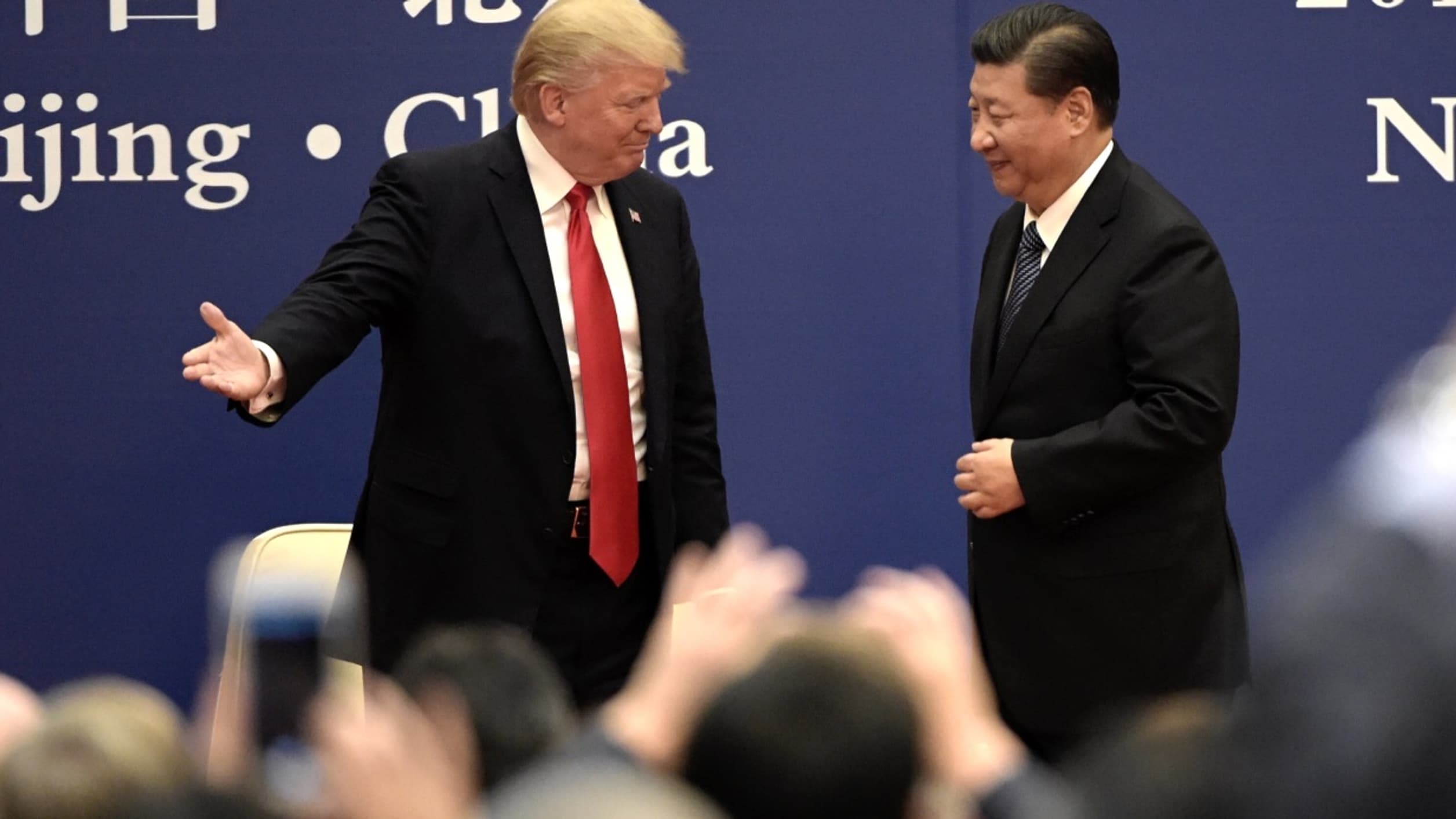
In March, another document, simply titled “President Trump’s Cyber Strategy for America,” laid the groundwork for this doctrine. In a signed introduction, Donald Trump stated that the strategy “requires unprecedented coordination between the government and the private sector to invest in the best technologies and pursue world-class innovation and make the best use of America’s cyber capabilities for offensive and defensive missions.”
However, the United States has not waited for the recent notes from the Trump administration to conduct cyber operations. For example, Operation Glowing Symphony, conducted by the US Cyber Command in 2016, targeted servers and propaganda networks of the Islamic State, illustrating a direct offensive action in cyberspace. Another more recent example, but more focused on a state, is China also accusing Washington of offensive operations, notably between 2022-2024, with presumed intrusions by the NSA against the Chinese National Synchronization Center, aimed at collecting identifiers and monitoring personnel.



/https%3A%2F%2Fmedia.basketusa.com%2Fmain%2F2026%2F05%2Fhaliburton-22-portrait.jpg "Back to training, Tyrese Haliburton struggles on defense")

/2026/05/08/69fda66332e81888218372.jpg "REPORT. They do not suspect the talent that is theirs: an eloquence competition for the apprentice footballers of PSG")

