A negotiating team from Qatar arrived in Tehran on Friday, in coordination with the United States, in an attempt to facilitate the conclusion of an agreement to end the war with Iran and resolve outstanding issues, according to Reuters, citing an informed source. Doha, which has played a mediating role in the Gaza war and other international crises, had previously stayed out of mediating in the Iran-Israel war after being targeted by Iranian missiles and drones during the conflict.
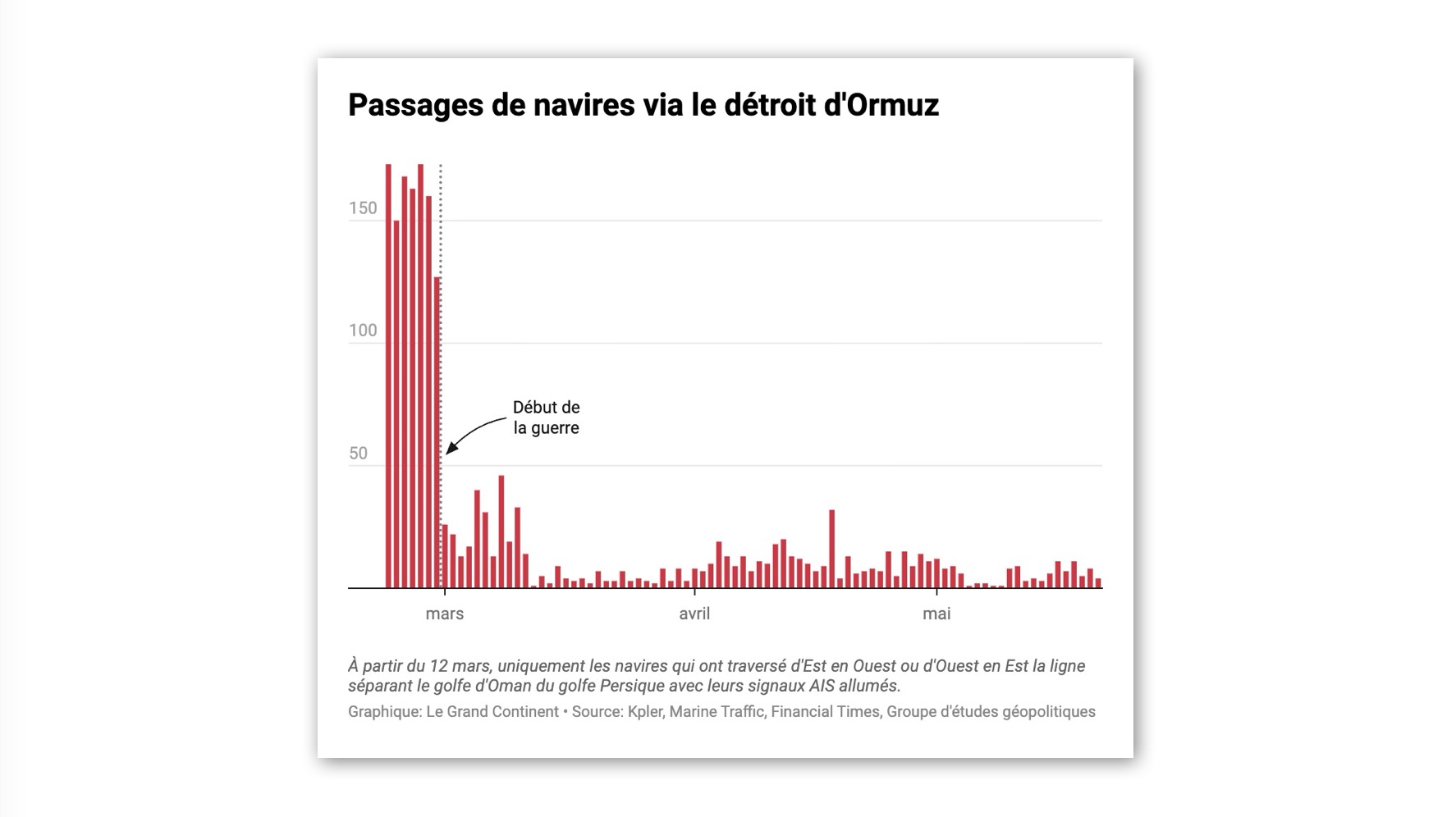
While Pakistan has been the official mediator since the beginning of the fighting, Qatar’s involvement reflects its longstanding position as a US ally in the region and a trusted communication channel between Washington and Tehran. A fragile ceasefire is in place in a war that began with American-Israeli strikes against Iran on February 28, but no major progress has been made, with US sanctions on Iranian ports and the effective closure of the Strait of Hormuz complicating negotiations.
A high-ranking Iranian source indicated on Thursday that no agreement had been reached, but differences had been reduced, especially on sensitive issues such as Iran’s uranium enrichment and control of the strait. US Secretary of State Marco Rubio noted some progress on Thursday: “There are positive signs, but I do not want to be too optimistic. Let’s see what happens in the coming days,” he said.
Asked about the presence of the Qatari team in Iran on Friday, Mr. Rubio reminded attendees at a NATO Foreign Ministers’ meeting in Sweden that Pakistan remained the main interlocutor in these discussions, praising its role in the process. He added that other countries, including Gulf states, also have interests and contacts with the various parties, but Pakistan remains the main working channel.
Qatar’s involvement comes despite Iranian attacks targeting civilian infrastructure, including a major liquefied natural gas facility in Ras Laffan, leading to a significant reduction in its export capacity. Before the conflict, around 20% of the global LNG trade passed through the Strait of Hormuz, mainly via Qatar, whose effective closure has severely disrupted exports. Qatar is a major US ally and hosts the al-Udeid Air Base, the largest American military installation in the Middle East.