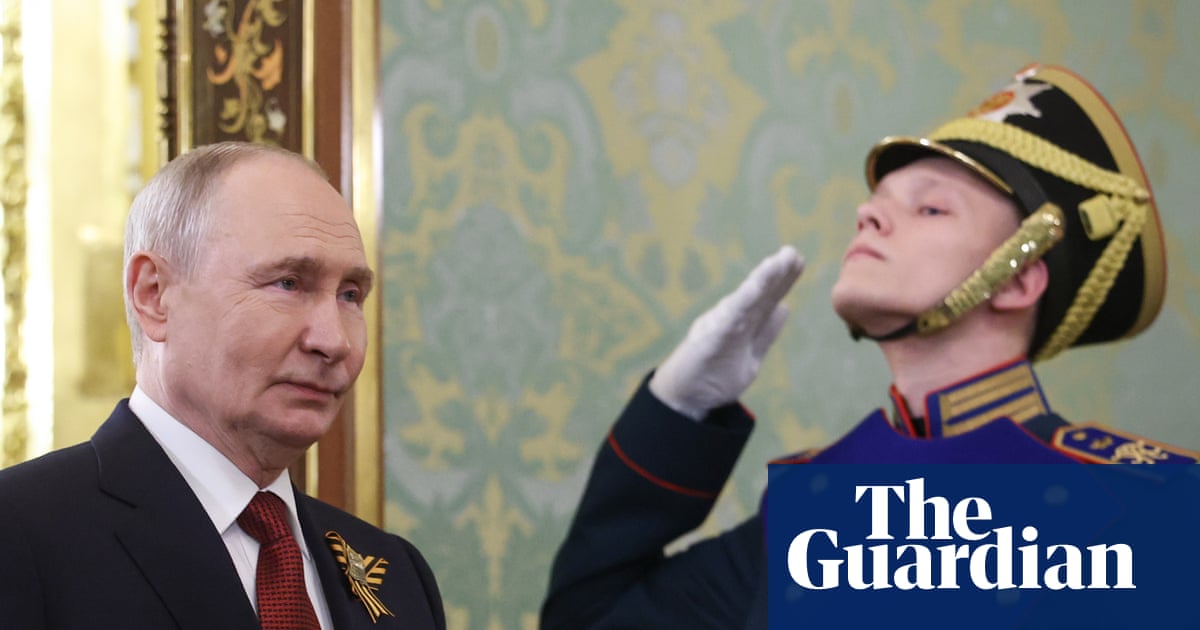
Barely a year and a half after returning to power, Donald Trump has managed to alienate almost all of his European partners. Already open due to the Greenland affair, the divide between the two sides of the Atlantic has deepened further with the war in Iran.
Donald Trump is angry, and isolated. Two months after the start of the war against Iran, the American president attacks anyone who dares to criticize his operations or hesitates to help him achieve his ambitions in the Middle East.
The latest victim of the Republican’s verbal attacks is German Chancellor Friedrich Merz. While some accused him of being overly accommodating towards the American president, the conservative ventured to paint a picture of America without “any strategy” and “humiliated” by Tehran.
Germany punished?
The sharp response from Donald Trump was not long in coming. On his Truth network, Donald Trump criticized a German chancellor who, according to him, should “spend more time ending the war between Russia and Ukraine (where he was totally ineffective!), and rebuilding his country in ruins, especially in terms of immigration and energy.”
The American president did not stop at words as the Pentagon announced shortly after that it would withdraw around 5,000 of the 35,000 troops stationed in Germany, a country allied as a member of NATO, within a year. “We are going to reduce much more and we are reducing more than 5,000,” he threatened thereafter.
This withdrawal marks a new blow to the Atlantic alliance, whose foundations Donald Trump has been undermining since his return to power by accusing it of not serving American interests.
On Friday, May 1, Donald Trump also indirectly targeted Germany and its significant automobile exports by announcing his intention to raise tariffs on vehicles imported to the United States from the European Union to 25% “next week.”
Series of clashes
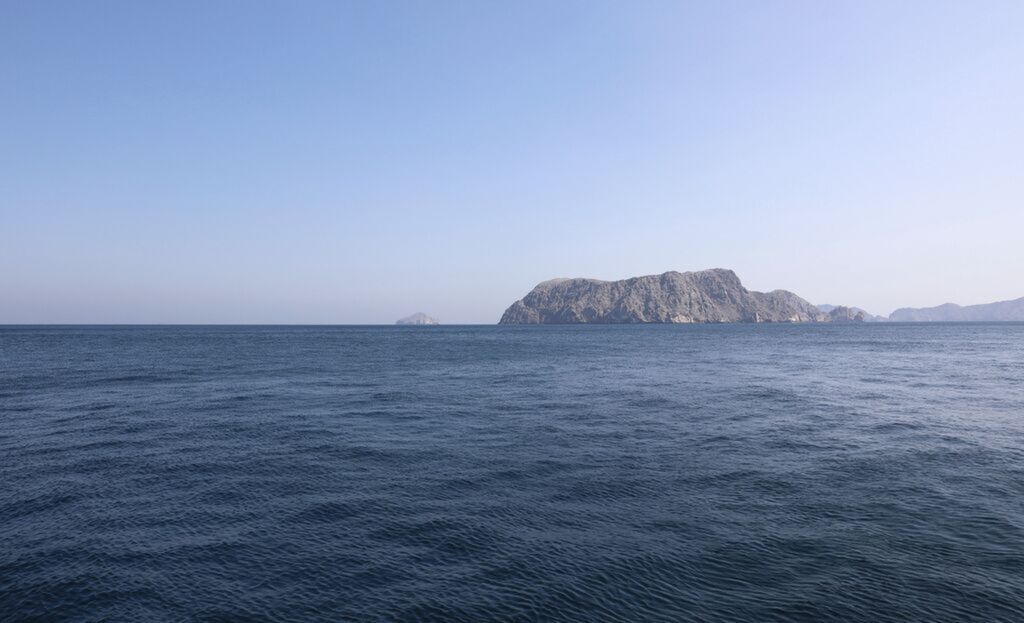
This new clash comes after a series of clashes between the American president and European leaders accused of not contributing logistically or militarily to the Israeli-American offensive against Iran or the securing of the strategic Strait of Hormuz, practically blocked by Tehran.
Donald Trump was “very disappointed” in British Prime Minister Keir Starmer, whom he deemed “very uncooperative” after delaying access to the Anglo-American military base of Diego Garcia for American forces. “This is not the Winston Churchill we are dealing with,” the American president quipped from the White House, undermining the “special relationship” between London and Washington.
Donald Trump also showed disloyalty towards Emmanuel Macron, who had previously offered to lead a future mission to ensure free navigation in the Strait of Hormuz. However, the French president only intends to “unblock” this strategic passage “after the hottest phase of the conflict.” This stance infuriated his American counterpart, who turned against his former “friend” by throwing jabs at him.
“Friends” not spared
Loyal to himself, Donald Trump does not distinguish and criticizes anyone who dares to contradict him, including those who had taken care to flatter him. At the start of the war, Chancellor Merz was indeed one of the few EU leaders to refrain from criticizing the American expedition, believing it was inappropriate “to give lessons to our allies”.
Contrary to Emmanuel Macron, who quickly invoked international law to distance himself from the Israeli-American operations, Friedrich Merz even said he was “on the same wavelength” as the United States regarding the need to get rid of a “terrible terrorist regime.” These words were not enough to avoid the billionaire’s wrath.
“Everyone who tried (to flatter Donald Trump) received their share of insults, like the others. Everyone now understands that flattery does not work either,” noted a European diplomat cited by Reuters.
Donald Trump looking for “scapegoats”
The American president even managed to anger Italian Prime Minister Giorgia Meloni, a leader with an ideological position close to his own and whom he described as “fantastic” just a few months ago.
While she was seen as a bridge between Washington and the EU, the far-right leader also ended up turning her back on him. By distancing herself from American operations in Iran and denouncing Donald Trump’s “unacceptable” remarks about Pope Leon XIV, she provoked the ire of the American president.
“Donald Trump realizes that he is losing on all fronts, both in Iran and in the United States, so he is looking for scapegoats,” explains Patrick Martin-Genier, a professor at Science Po and specialist in European affairs, at BFM.
Diplomatic channel remains open
While Europeans stand firm against Donald Trump’s threats, most of them avoid confrontation with the leader of a power that remains essential on issues such as defense industry, trade, or the war in Ukraine. Chancellor Merz has pleaded for “a reliable transatlantic partnership” and stated that the German army contributes to a “strong and united NATO,” particularly in “strategic sites in Germany close to the United States.”
This moderation in rhetoric is not shared by all. Since the end of February, Spain, under socialist Pedro Sánchez, has proudly opposed the U.S. and Israeli-led war against Iran, becoming a leading voice in the West against the American president.
With the approach of electoral deadlines (local elections in the UK, presidential elections in France, and legislative elections in Italy), many leaders consider support for Donald Trump as a turn-off for voters.
Context: The article highlights the strained relations between Donald Trump and European leaders, especially in the context of the war in Iran and its repercussions.
Fact Check: The content accurately reflects the reported interactions and tensions between Donald Trump and various European leaders.
/2026/05/06/69fb68ea979a1356761471.jpg "Why Donald Trump is breaking unpopularity records in the United States, six months before the midterm elections")

/2026/05/09/69ff9f4dc0408476016445.jpg "Tennis: Fifteen days before Roland")
/regions/2026/05/09/69ff3b477ccb7862247374.png "VIDEO. If we have to go, we have to go: meeting with these young people ready to enlist in the Army")