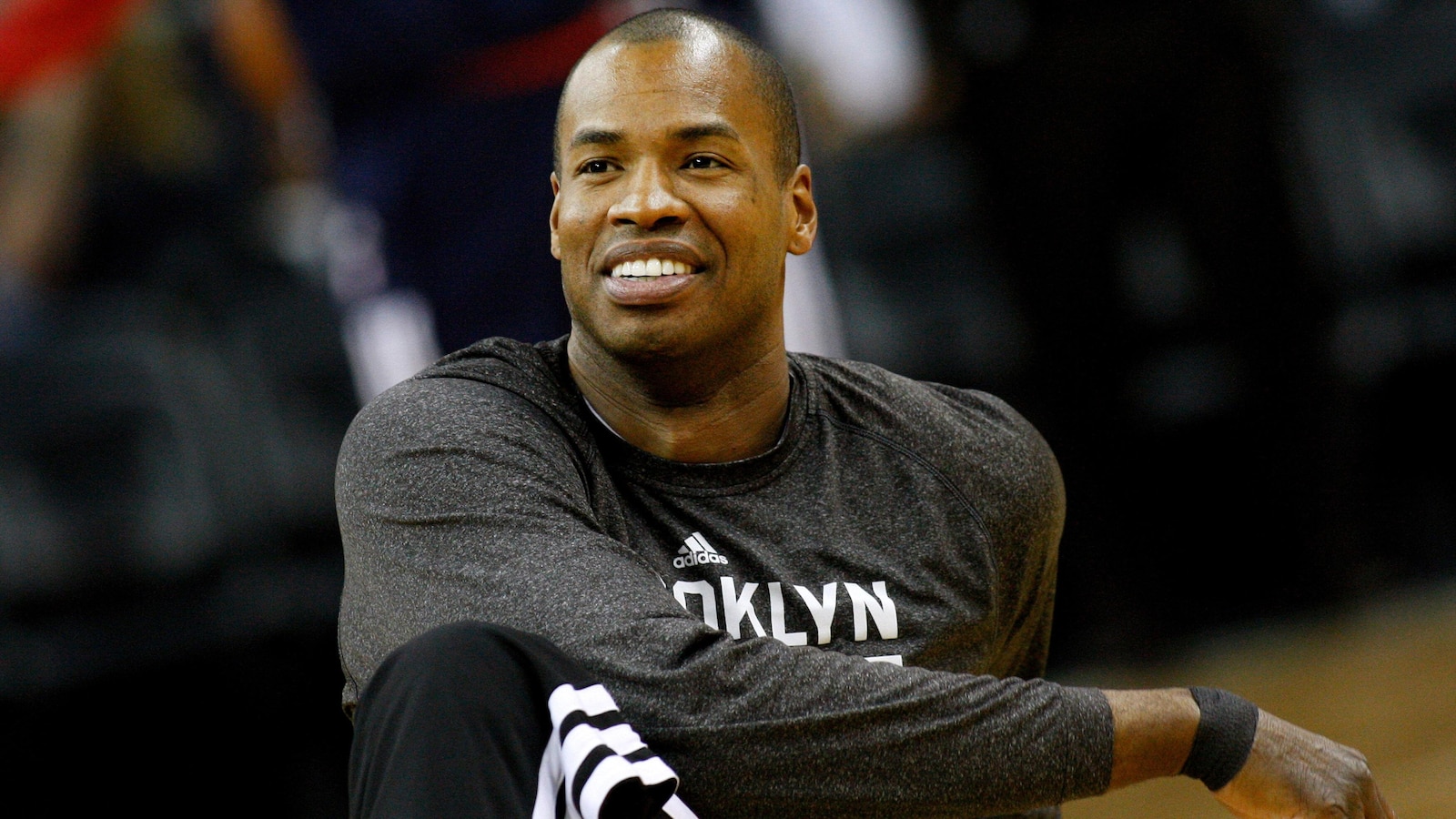
Collins was a high school star in Southern California alongside his twin, Jarron, before both starred at Stanford. Jason Collins went on to play in the NBA for six teams from 2001 to 2014. In retirement, he had become an ambassador for the league.
The Human Rights Campaign, the country’s largest LGBTQ civil rights group, called Collins a groundbreaking figure.
“He came out as gay — while still playing — at a time when men’s athletes simply did not do that,†HRC president Kelley Robinson said in a statement. “But as he powerfully demonstrated in his final years in the league and his post-NBA career, stepping forward as he did boldly changed the conversation.â€
In September, he announced he was undergoing treatment for an advanced brain tumor. Symptoms had arrived quickly, he told ESPN last year. Last August — only three months after he married Brunson Greene in Austin, Texas — Collins began experiencing “weird symptoms†that included him being unable to focus while packing for a trip to the U.S. Open. Collins underwent CT scans, but within “hours, my mental clarity, short-term memory and comprehension disappeared.â€
“Imagine a monster with tentacles spreading across the underside of my brain the width of a baseball,†he added of his glioblastoma diagnosis.
NBA Commissioner Adam Silver said in a statement Tuesday that Collins’ “impact and influence extended far beyond basketball as he helped make the NBA, WNBA and larger sports community more inclusive and welcoming for future generations. He exemplified outstanding leadership and professionalism throughout his 13-year NBA career and in his dedicated work as an NBA Cares Ambassador. Jason will be remembered not only for breaking barriers, but also for the kindness and humanity that defined his life and touched so many others.â€