The Finance Ministers of the G7 are meeting in Paris for two days to try to bridge their positions on the economic repercussions of the conflict in the Middle East and to reduce dependency on critical Chinese minerals.
“We will show that multilateralism is useful and that it works,” said French Minister of Economy and Finance Roland Lescure to journalists on Monday morning.
One month before the G7 summit in Evian (June 15-17), France aims to maintain dialogue amidst escalating geopolitical and trade tensions that are affecting international relations, even with the previously reliable American ally who has become unpredictable under Donald Trump.
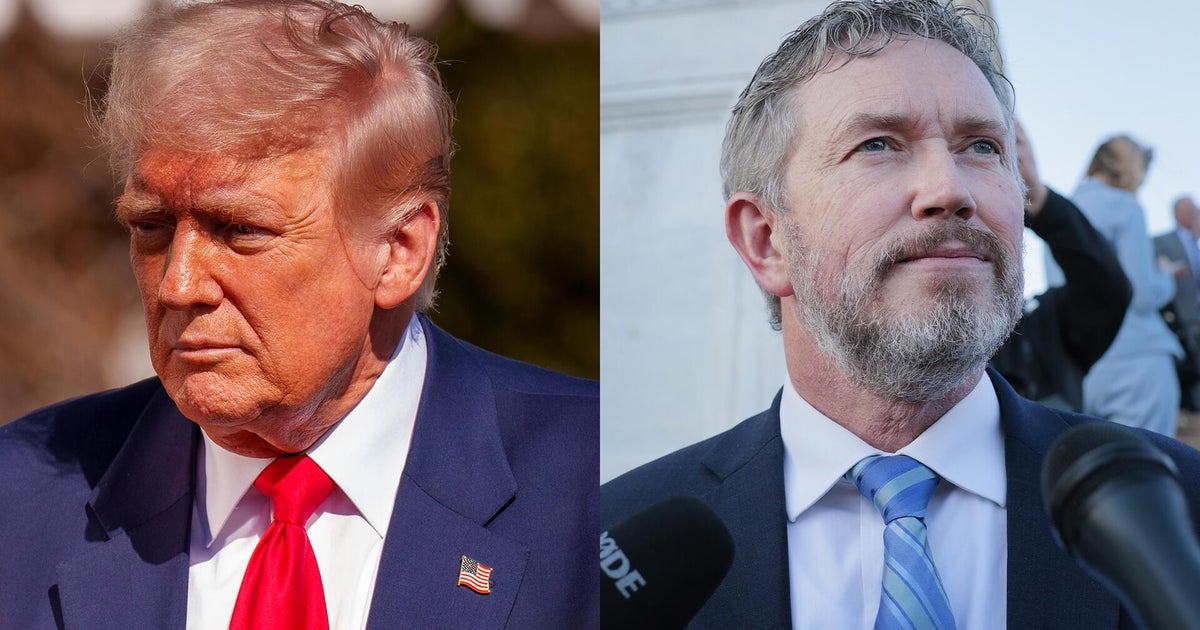
Trump, who again threatened Iran with annihilation on Sunday, hints at a possible resumption of strikes and the end of the fragile truce in place since April 8.
“We are facing major challenges, the war in the Middle East, obviously, the unsustainable multilateral imbalances, the issues of rare earths, critical materials, and development aid,” detailed Roland Lescure.
“The way global growth is currently unfolding is clearly unsustainable,” he added.
For German Finance Minister Lars Klingbeil, Europe needs to strengthen its arsenal of instruments and show more European patriotism when defending its interests.
“At the top of the agenda for the G7 finance ministers: the economic consequences of the war and the blocking of the Strait of Hormuz by Iran, crucial for the transportation of hydrocarbons and fertilizers whose prices have surged.
As a result of this situation, the International Monetary Fund (IMF) expects slower global growth and higher inflation in 2026.
The head of the International Energy Agency (IEA), Fatih Birol, warned on Monday that commercial oil stocks are declining rapidly.
An additional release of strategic stocks, like in March, is not on the agenda, according to Roland Lescure, although he is willing to discuss it if necessary in the near future.
These inflationary concerns in recent days have led to a strong sell-off of government debt securities and thus an increase in sovereign debt interest rates.
Upon arrival at the G7 Finance meeting, European Central Bank (ECB) President Christine Lagarde expressed her constant concern, saying, “We can do a lot to calm the markets and instill positive momentum, like the discussions we have here.”
Faced with inflation, the managing director of the IMF, Kristalina Georgieva, urged not to take actions that would worsen the situation.
To mitigate the rise in oil prices, Washington had temporarily suspended sanctions on Russian oil until May 16 but European Commissioner for the Economy Valdis Dombrovskis emphasized the need to maintain pressure on Russia.
The ministers will also try to resolve disagreements on international trade, marked by US customs tariffs and Chinese industrial overcapacity, and to secure their supplies of critical minerals.
Against a backdrop of trade, geopolitical, and financial tensions, a common recognition of the situation would be considered a significant advancement by the French presidency.
American representative Scott Bessent highlighted the post-G7 meeting aimed at combating terrorism financing, with Iran as a focus.
This G7 meeting, which also includes central bank governors from member countries, comes a few days after Donald Trump’s visit to Beijing without any major announcements.