From Thailand being shunned by Europeans to Spain booming with an influx of travelers, the Middle East war has started to shift vacation destinations this summer, benefiting some destinations.
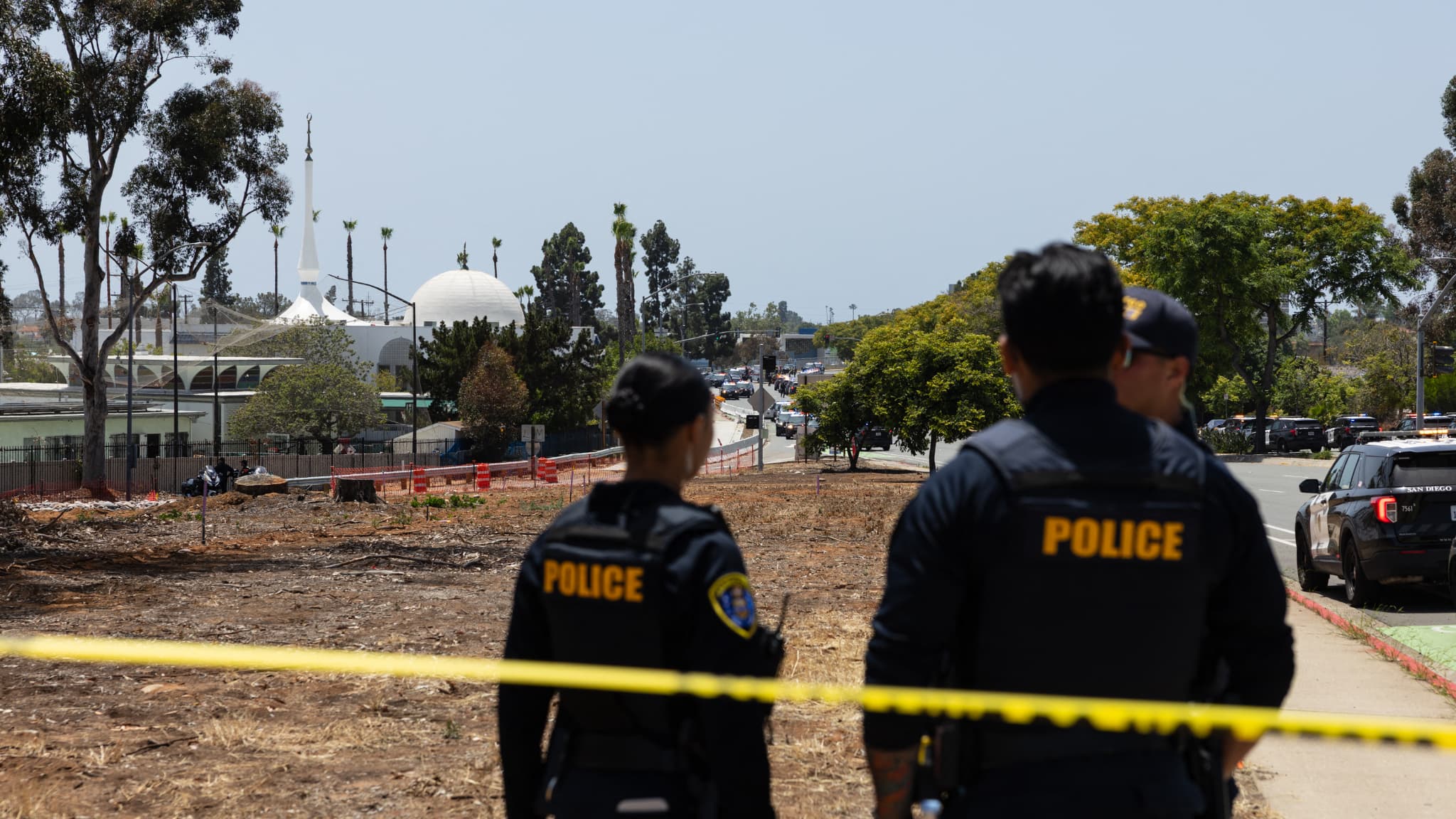
The conflict, which began at the end of February, has drastically reduced tourist flows to the Middle East. In Jordan, these days, the few tourists present can visit the ancient city of Petra almost alone.
The impact is being felt further afield. On the island of Djerba in Tunisia, where the season is starting, the tourism sector has been slowing down for a few weeks. Before the war broke out, “for example, we used to receive 100 new bookings a day, now it’s only 50,” explains Anane Kamoun, director of the Royal Garden Palace hotel in the northeast of the island.
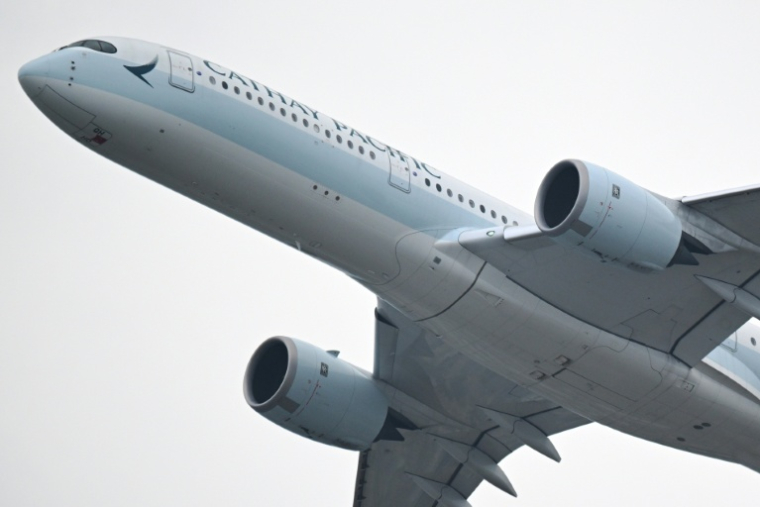
Disruptions at airport hubs in Gulf countries and rising fuel prices are having a broader impact, also affecting Southeast Asia.
In a country like Thailand, the numbers are revealing. According to the Tourism Ministry, the country saw a significant decline in arrivals from European countries in April, with 29% fewer German visitors and 44% fewer Italians.
The world’s leading tourism operator, German company TUI, lowered its profit forecast for the 2025/26 fiscal year in April, citing the war in Iran prompting “increased caution” among clients.
But caution doesn’t mean absence. According to analyst Aarin Chiekrie from Hargreaves Lansdown, “it doesn’t seem like vacationers are completely giving up on their travel plans.” “Recent data suggest that they are simply booking later,” he adds.
According to estimates from the World Travel and Tourism Council (WTTC), which represents major global tourism operators and monitors the sector’s economic health, it is expected to grow by 3.2% globally in 2026, surpassing the overall global economic growth estimated at 2.4%.
– “Safer” destinations –
Europe could benefit greatly from these shifts. The WTTC predicts that international visitor spending in the region will increase by 7.1% in 2026, “with travelers increasingly favoring destinations close to home in a geopolitical context of uncertainty and disruptions in other regions.”
At the forefront of expected growth is Italy, followed by Spain, according to the WTTC. Rafael Pampillon Olmedo, an economics professor at the IE Business School in Spain, believes that the war “is disrupting international tourist flows and shifting part of the demand to destinations perceived as safer.”
“Many European travelers who are hesitant to travel to the Middle East, eastern Mediterranean (Turkey, Greece, or Egypt) or even closer to the Gulf, are turning to Spain and Portugal,” adds the specialist.
The war “can change the destination choices of some families or lead to adjustments in other expenses,” agrees Pedro Aznar, an economist at the Esade Business School in Spain, who also believes that his country is benefiting from a “substitution effect.”
Other destinations have also benefited. Zakaria Meliani, operations manager at Balima Résidences – a short-term rental operator in Rabat, Morocco – has observed a trend reversal.
“Usually, our season starts in mid-May, and this began right after the end of Ramadan (shortly after the start of the war at the end of February),” he noted: travelers who had planned vacations to Lebanon, Dubai, Oman, or Asia with a stopover in the Gulf have “switched to Morocco.”
“At this stage, Moroccan tourism is showing performances in line with our initial forecasts, with a 5% growth by the end of April 2026, despite an uncertain geopolitical context,” emphasized the Moroccan Tourism Minister, Fatim-Zahra Ammor, to AFP.
– Published on May 18 at 2:02 PM, by AFP