The National Information Agency (official) reported bombings in the south, following deadly raids that killed 22 people, according to Beirut. In northern Israel, a drone attack by Hezbollah also injured several civilians, according to the Israeli army. This third meeting between representatives of the two countries, which do not have diplomatic relations, is taking place at the State Department and is expected to last two days.
At their last meeting on April 23 in Washington, Donald Trump announced a three-week extension of the ceasefire and expressed hope for a historic reconciliation between the two Middle Eastern neighbors. The President of the United States speculated that during this time, he would host Israeli Prime Minister Benjamin Netanyahu and Lebanese President Joseph Aoun at the White House. However, this meeting did not materialize, as the Lebanese leader demanded an agreement on security issues and an end to Israeli attacks beforehand.
Hezbollah, for its part, reiterated its rejection of these negotiations on Thursday, with one of its deputies, Ali Ammar, denouncing a “free concession” to Israel. The ceasefire has been extended until Sunday, May 17. Since it came into effect on April 17, over 400 people have died in Israeli strikes, according to AFP figures based on official numbers.
Israel has reserved the right to continue targeting Hezbollah, the Shiite movement that dragged Lebanon into regional war following the start of the Israeli-American offensive against Iran on February 28. “Whoever threatens the state of Israel will die because of his own fault,” warned Benjamin Netanyahu last week after the assassination of a key Hezbollah military leader in the heart of Beirut.
In its own indirect negotiations with Washington, Iran demands that any ceasefire also involves Lebanon – meaning that Israel stops targeting Hezbollah. “In Washington, Lebanon is seeking ‘a consolidation of the ceasefire,'” said a senior official speaking on condition of anonymity. “The priority is to put an end to deaths and destruction.” Over 2,800 people have died in Lebanon since the conflict began in early March, including at least 200 children, according to Beirut. Israel specifically targets the southern suburbs of Beirut, a Hezbollah stronghold, and the southern region where it has seized a border strip that it occupied between 1982 and 2000.
Washington says it defends Lebanon’s sovereignty over its entire territory and calls on authorities to disarm the powerful Hezbollah. The United States “recognize that global peace depends on the full restoration of authority to the Lebanese state and the total disarmament of Hezbollah,” the State Department asserted.
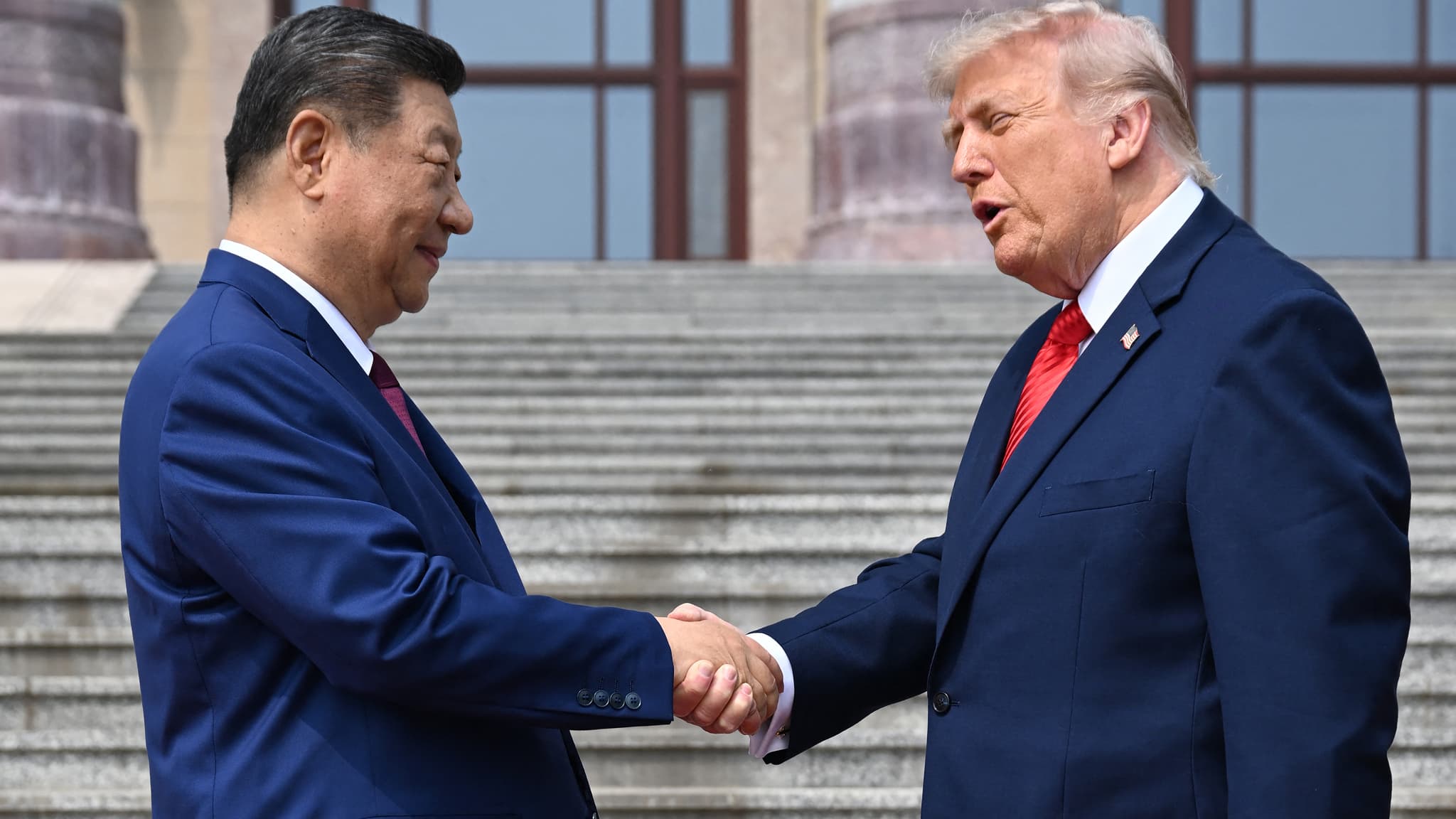
According to them, “these talks are intended to decisively break away from the failed approach of the past two decades that allowed terrorist movements to take root and enrich themselves, while undermining the authority of the Lebanese state and threatening Israel’s northern border.” Unlike the previous negotiation session, neither Secretary of State Marco Rubio nor Donald Trump are present: they are on an official visit to China.