The visit had been announced by the White House after a postponement at the end of March. Donald Trump had cited the war with Iran as the reason for delaying the visit. This will be the first visit of a US president to China since Donald Trump’s visit in 2017. Joe Biden did not make the trip during his four years in office.
Commercial and diplomatic issues are expected to dominate the discussions, following a year marked by tariffs and multiple trade restrictions. Before the summit, trade negotiators from both countries, led by Chinese Vice Premier He Lifeng and US Treasury Secretary Scott Bessent, are set to meet in Seoul. Xi Jinping and Donald Trump had reached a temporary truce in October.
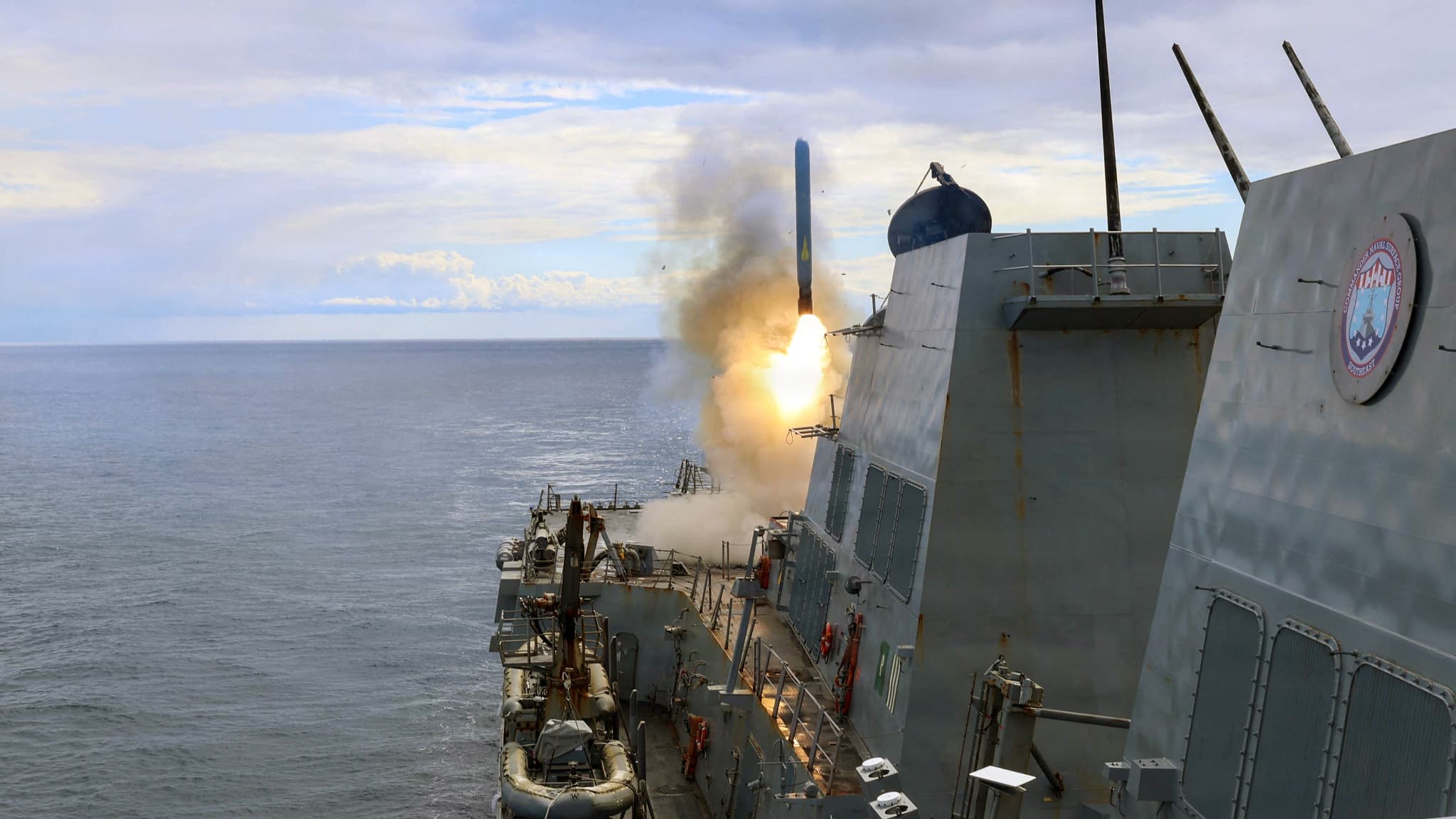
Beyond trade, the crisis in the Middle East, with its global ramifications and impact on China, is likely to feature prominently in the talks. The Chinese Foreign Ministry spokesperson Guo Jiakun stated that China aims to work with the United States on an equal footing, with respect and mutual concern to enhance cooperation, manage differences, and bring more stability and certainty to an unstable and interdependent world. However, on Monday evening, Washington announced sanctions on twelve individuals and entities in Tehran whom they accuse of facilitating the sale of Iranian oil to China.
According to Donald Trump, the issue of US arms sales to Taiwan will also be on the agenda for discussions with Xi Jinping, as the Chinese president strongly opposes such transactions.
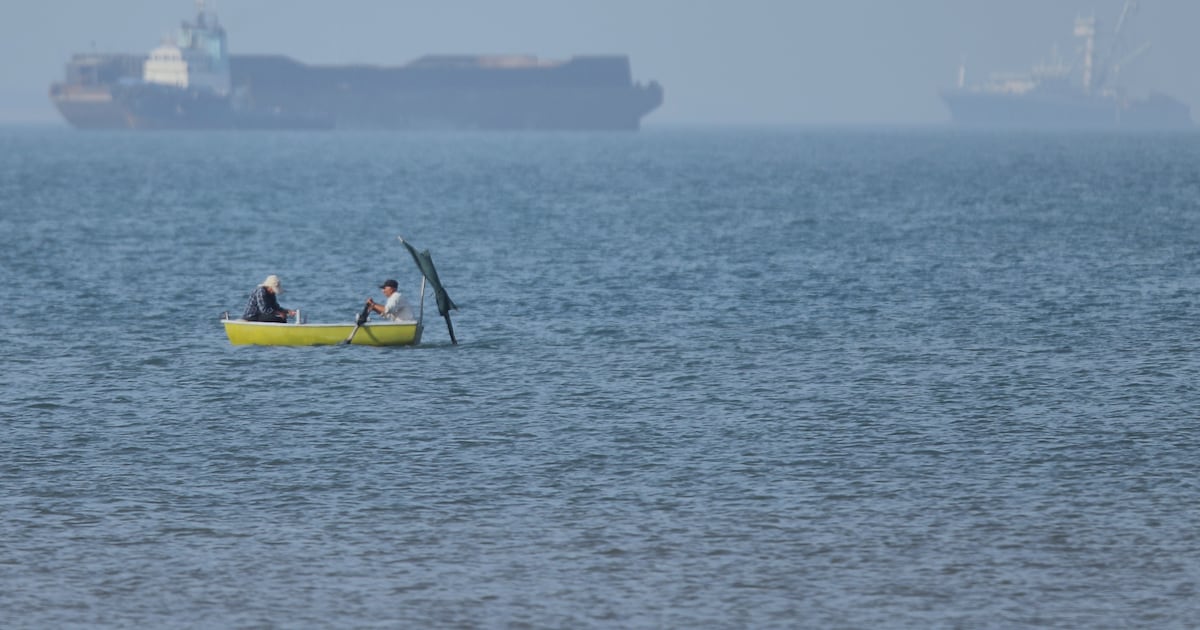
The Asian giant is directly affected by the US-Iranian standoff and the near-closure of the Strait of Hormuz. China is a crucial economic and political partner of Iran and remains its main importer of oil. More than half of the crude oil imports shipped to China from the Middle East, mainly pass through the strait, according to the analysis company Kpler. Dependent on international trade, China is beginning to feel the effects of the war.
Experts believe that Xi Jinping enters the summit in a relatively strong position compared to Donald Trump, who is embroiled in the Middle East conflict and facing pressure from the midterm elections in November. They note that China benefits from the crisis in its rivalry with the US, presenting itself to the world as a reliable partner, respectful of international law, and, in the official discourse, as having “the right side of history.” However, analysts caution that China, with its heavy reliance on international trade, does not desire a prolonged situation in the Gulf.
Since the end of February, Beijing has tempered its criticism against the US and expressed support for Iran. Chinese Foreign Ministry spokesperson Guo Jiakun simply responded on Monday that Beijing will continue to play a “positive” role in crisis resolution efforts. The US State Department had announced sanctions on three Chinese-based companies on Friday, accusing them of providing satellite images used by Iran in its hostilities against the US.