A white paper analyzes the end of sports neutrality, which has become a global space of economic, political, and ideological confrontation.
Long considered a sanctuary of peace and fraternity, can sports still escape the tensions shaking the world? The answer is increasingly negative, according to a unpublished white paper presented in Paris on May 5.
The document, a collaboration between the School of Economic Warfare (EGE) and the Sports Management School (SMS), titled “Sport Above Conflicts: The Referee of a Tense World?” makes a clear statement: major sports competitions have become symbolic battlefields where power dynamics are at play.
The presentation, held at the EGE headquarters, brought together co-authors Christian Harbulot, Director of the School of Economic Warfare, and Michaël Tapiro, Founder of the Sports Management School. They deciphered a profound transformation where sports, far from being a neutral arbiter, have now become a major player and stakeholder in international relations.
A Mirror of Global Tensions
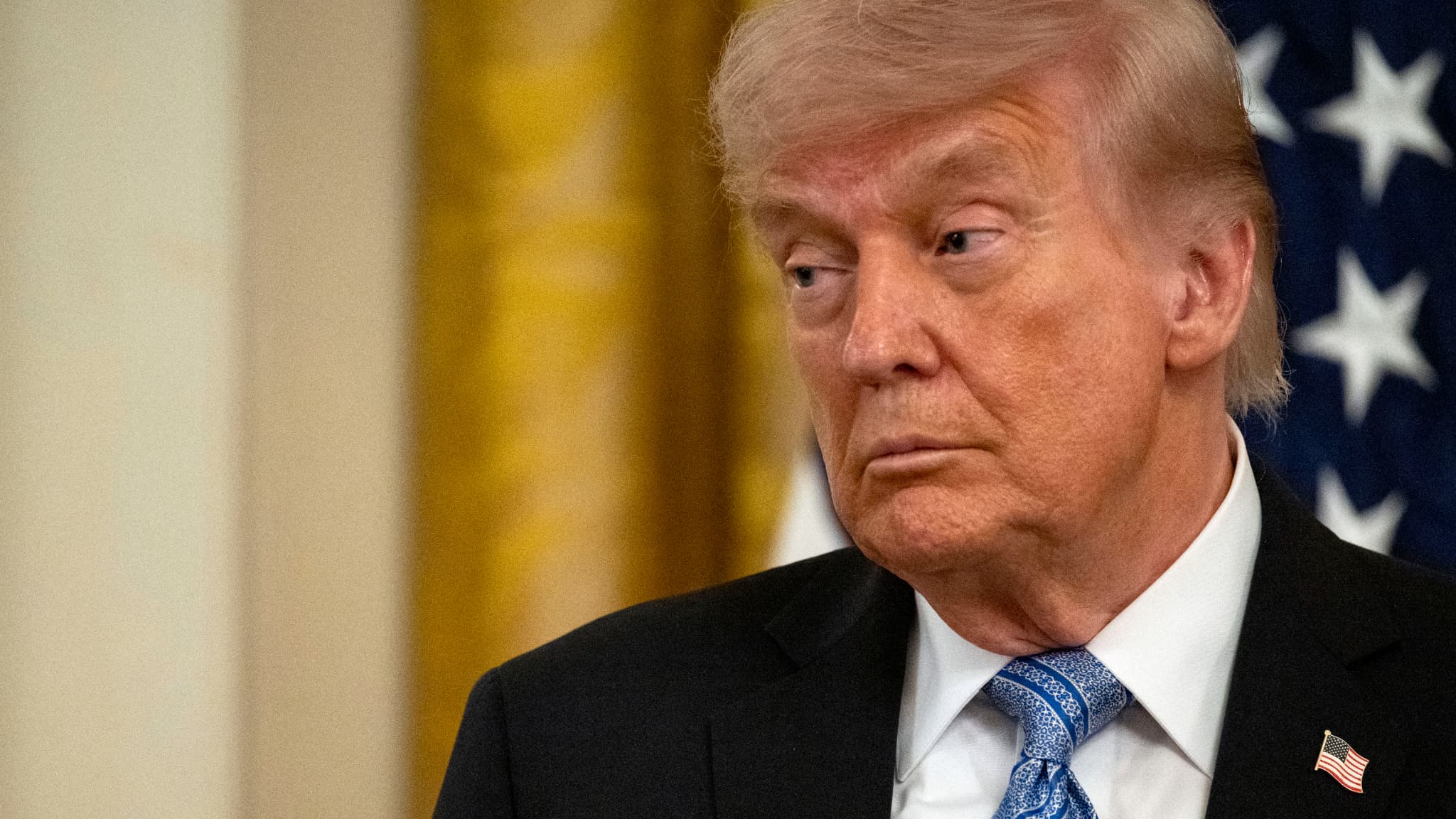
The current context makes this analysis particularly relevant. Between persistent tensions in the Middle East, the influence of political actors like Donald Trump, and the recent cancellations of certain Formula 1 events for geopolitical reasons, sports are constantly in the spotlight. With the approach of major global events like the FIFA World Cup 2026, jointly organized by the United States, Canada, and Mexico, the question of political instrumentalization of competitions is more pressing than ever. These events are no longer just celebrations of athletic performance but also platforms for influence, economic leverage, and political messages.
The Illusion of Sports Neutrality Challenged
A major focus of the white paper is the fragility of the principle of sports neutrality. This idea, a cornerstone of modern Olympism, is now highly contested. The authors show that sports have become a space for ideological confrontation where nations and blocs seek to impose their worldviews. Boycotts, athlete protests on podiums, or diplomatic pressures to exclude certain nations demonstrate that the sports field is now an extension of political arenas. The study emphasizes that maintaining this neutrality is increasingly difficult as sports are entangled in immense economic interests linked to the power strategies of states and multinational corporations.
A Multipolar Order and Risks of Interference
The white paper also sheds light on the reconfiguration of a sports order that is becoming multipolar. Traditional Western powers are no longer the sole masters of the codes and levers of global sports. New actors, such as Gulf countries or China, use sports as a “soft power” tool to enhance their international image, attract investments, and influence diplomacy. This new competition comes with increasing risks of political, religious, and economic interference. The document warns of the dangers these interferences pose to the integrity of competitions and the autonomy of sports federations.
Preserving Sports as a Space of Cohesion
Given this analysis, experts from EGE and SMS do not just diagnose the situation. Their analysis also explores the necessary conditions for sports to retain its role as a vehicle for social cohesion and dialogue among peoples. For the authors, raising awareness of these new dynamics is the first essential step to fortify the sports world. It involves rethinking the governance of international sports institutions to better shield them from external pressures and reaffirm the fundamental values that alone can keep sports as a uniting space in a fractured world. The debate continues on whether sports can still arbitrate conflicts or if it has simply become another reflection of our divisions.


:format(jpeg)/0/0/0/9cee8cac001b43ddbba09f4081465000.jpg "Replay of the Sunday May 10, 2026 Show")