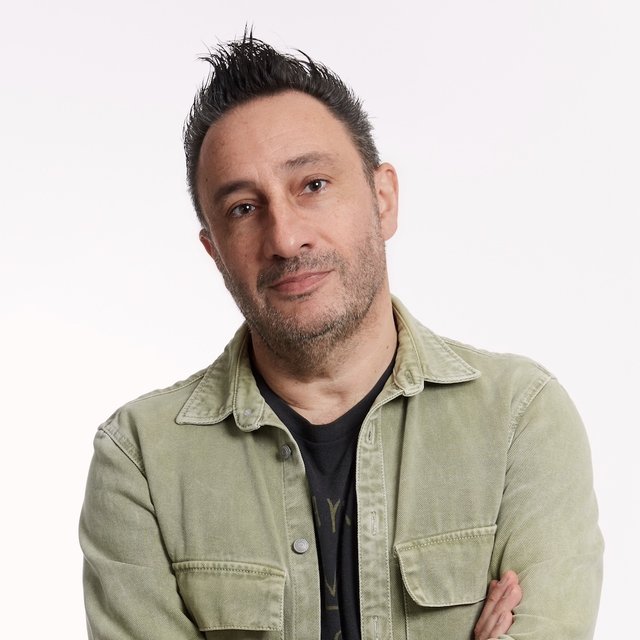
In a statement published on May 3, 2026, former diplomat and ex-Algerian minister Abdelaziz Rahabi delivers an uncompromising analysis of the situation in Western Sahara.
Abdelaziz Rahabi describes a diplomatic acceleration that he considers artificial, orchestrated according to him by an American strategy aiming to transfer the sovereignty of the Sahrawi people to Morocco, disregarding legal frameworks established by the United Nations.
An American diplomacy between urgency and partiality
According to Abdelaziz Rahabi, Washington now operates a clear break with the historical mediations of James Baker or Christopher Ross. The current American administration would be following an agenda marked by urgency, acting more as a stakeholder than as an impartial mediator. This shift, initiated by the Abraham Accords and the American recognition of the Moroccan character of the territory in 2020, would have created a domino effect within Western powers, transforming a decolonization conflict into a struggle for influence on the Atlantic facade and the Sahel.
The former diplomat emphasizes that the Moroccan autonomy plan of 2007, long a dead letter, now benefits from a resurgence of promotion not for its intrinsic relevance, but due to the diplomatic and financial power of Rabat’s supporters, including France and the United Arab Emirates.
The fading of multilateral instances
Mr. Rahabi’s analysis also points to an alarming paralysis of the UN Security Council. He believes that without the vigilance of Russia, China, and Algeria’s insistence on the principle of self-determination, MINURSO could have been diverted from its initial mission to become a mere instrument accompanying the fait accompli.
The argument of the “too long duration” of the conflict, often invoked by former colonial powers, is perceived by Rahabi as a deprived process of consideration for the 200,000 Sahrawi refugees. He advocates for a return to the long-term diplomacy, the only guarantee of a credible decolonization process where the Sahrawi people would remain the sole decision-maker of their destiny through consultation.
Algeria’s security concerns
For Abdelaziz Rahabi, this regional reconfiguration carries the seeds of a programmed instability. Algeria, faithful to its sovereign doctrine, cannot accept the emergence of a new security reality at its borders, especially as it perceives behind this architecture the will of the United States to consolidate Israel’s influence in North Africa through its alliance with Morocco.
In conclusion, the former diplomat warns that Western Sahara is now part of a “growing crescent of tensions” linking Libya and Mali. Faced with what he describes as a coalition of hostile forces, he reminds that any solution devoid of international and popular legitimacy will remain precarious, jeopardizing the overall security of a region already under high tension.
Samia Naït Iqbal


/t:r(unknown)/fit-in/1100x2000/filters:format(webp)/medias/MjaNPwYemg/image/202604_Coktail_Facebook_Bar_Moutarde1777913310730.jpg "Dijon: a local bartender in the final of an international cocktail competition")