The extravagant expenses of the Department of Defense last September ($6.9 million on lobster, $15.1 million on beef ribs, $2 million on Alaskan king crabs) would have been enough in another time to have any government official ousted from the city and tarred and feathered. The 6 million Americans (including 1.8 million children) who are on the verge of losing their access to basic food assistance (SNAP) might have seen it as a form of justice.
This was before a war that does not want to be named: with 37 million per hour for the first 100 hours, Operation Epic Fury against Iran represents a peak. A summit of inconsistencies, incompetence, improvisation. How else to describe going to war in the Gulf region, armed with missiles, believing you can undo a multi-faceted regional power with a flick of the wrist? Or playing in the Strait of Hormuz without checking the state of strategic reserves? Or parading a “booted” democracy, as the neoconservatives did a quarter of a century ago, imagining a regime change at the end of bombs, contrary to political science?
Echoing history—stirring oppositions and diasporas into uprising, announcing aid to retract it afterwards, as in Hungary (1956), Iraq (1991), Syria (after 2011). And this time, yet again—waiting for the conjunction of massacres and the consolidation of the regime’s grip before intervening. Unplanned. From afar. Too late.
Like an old rubber band, the reflexive analysis assumes that the rationality of intervention is grounded in a state logic: after all, the Constitution has made the presidential institution the depository of authority by default in foreign policy. This has always been transactional by nature, involving processes to separate the interest of all from that of the negotiators. But under this president, everything is reversed: the Oval Office is him; Washington is him; national interest is his personal interest.
To ensure this, the government orchestrated, according to professors Stephen Hanson and Jeffrey Kopstein, an assault against the state, with the dismissal of watchdogs, dismantling of regulatory safeguards, erasure of anticorruption standards. It obliterated the institutional triangle shaping foreign policy, relying on the theory of unitary executive, further marginalizing Congress and gutting competent bureaucracies (Department of Defense, State, CIA, DIA, ODNI, NSC), depriving them of their experts, resources, memories, and existing but imperfect contradictory spaces.
This translates, explain professors Alexander Cooley and Daniel Nexon, into practices of “transactional bundling”: “conflict resolution, economic negotiations, and private deals” are deliberately amalgamated into complex mega-deals hard to unravel. Thus, a coterie devoid of diplomatic experience and empowered titles but exempt from declaring potential conflicts of interests, finds itself brokering deals disguised as peace agreements that do not stand the test of time. In the Middle East, Ukraine, or Congo, every move in international relations seems tied to a stake in resources, a series of investments reaping state gains and private transactions (mining, banking, real estate), benefiting a nebula where the president’s family (his sons, his son-in-law, his daughters’ in-laws), his friend Witkoff, or foreign magnates connected to the president’s empire revolve.
Foreign policy is now a matter of yes-men (forced to wear the shoes their boss offers to avoid angering him), cowards precipitating an inevitable war (avoiding military service their whole lives), kleptocrats eager to suck the globe’s resources dry and profit from the instability they generate. Without restraint.
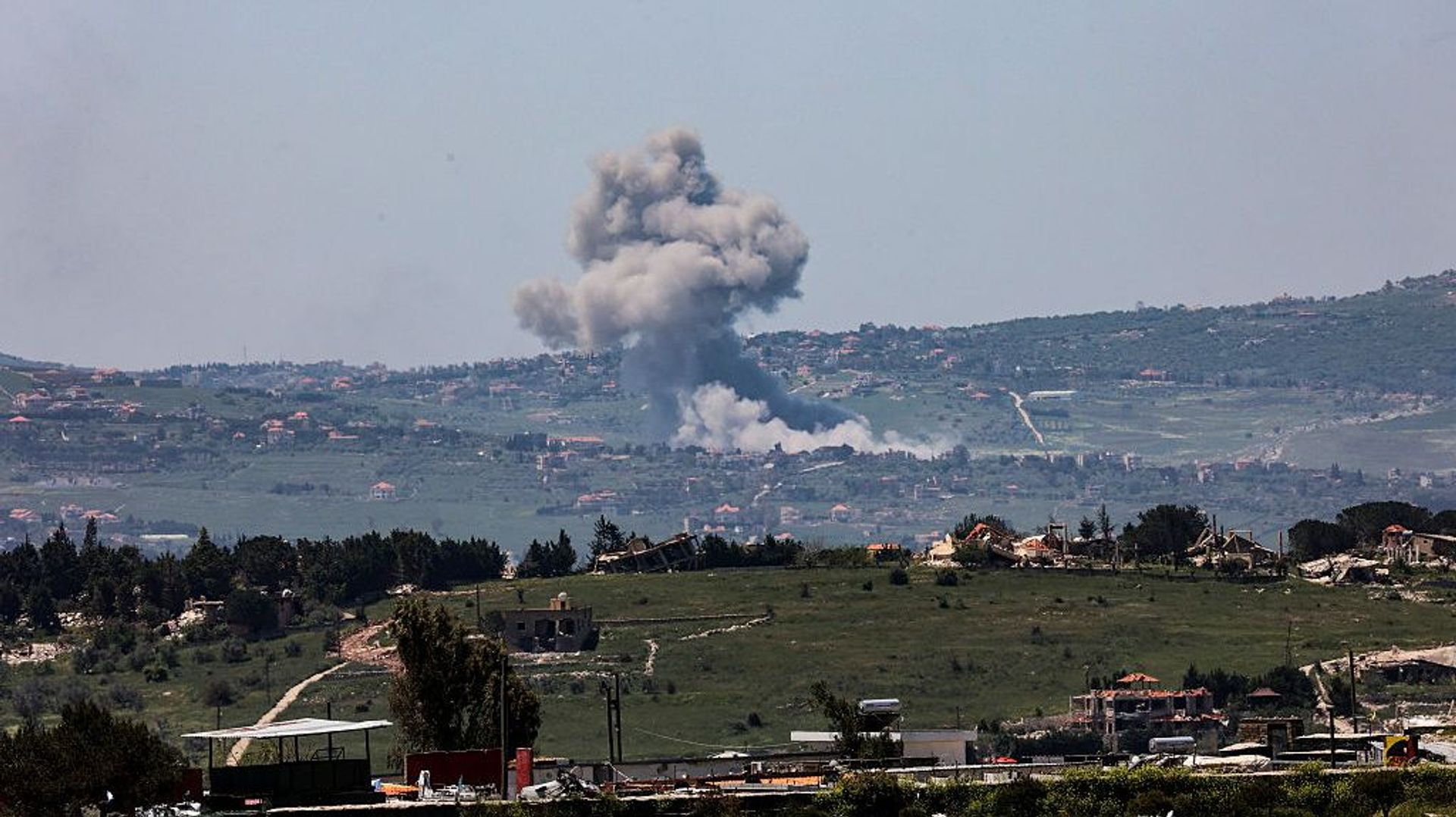
When the guns fall silent, when companies will be busy tending their wounds, the reverberations will still animate the tectonic plates of global geopolitics, and the specter of black clouds looming over the region will linger on. The fine soot that has settled over Tehran following the explosion of the oil deposits at Shahran and Shahr-e, the smoke rising from tankers hit in the strait will continue to pollute, deform, disfigure. Much like Fallujah, marked for two decades by the health and environmental consequences of another American “intervention” (Operation Phantom Fury), the battered territories of the region will remain deeply scarred, with environmental contamination due to a blend of used ammunitions and infrastructure destruction aggravating their vulnerability and “livability” in the face of climate change.
But it doesn’t matter to the warmongers, as it has never truly been about peace, democracy, or security. One didn’t have to be the drunkest cowboy in the Oval saloon to see how empires have fallen between the Mount Lebanon and the Hamun Lake in history, and realize the hollowness of the enterprise, truly revolving around three axes.
First, a massive distraction operation that benefits the war leaders. From Tel Aviv to Washington, both war chiefs want to consolidate their power in an election year, as they face legal troubles—from corruption to sexual assault—that could backfire. Then, the intoxication of power, which, like mountain sickness, deprived them of oxygen and led them to think they are masters of the region, masters of the world…