Euro MPs have approved the removal of customs duties on most US imports within the EU, while adding multiple safeguards.
The outcome of the vote was uncertain. The European Parliament gave its green light on Thursday under conditions for the implementation of the trade agreement reached last summer between the European Union and the United States. The Euro MPs approved the removal of customs duties on most American imports within the EU, as the European Commission committed in the agreement, but with several safeguards.
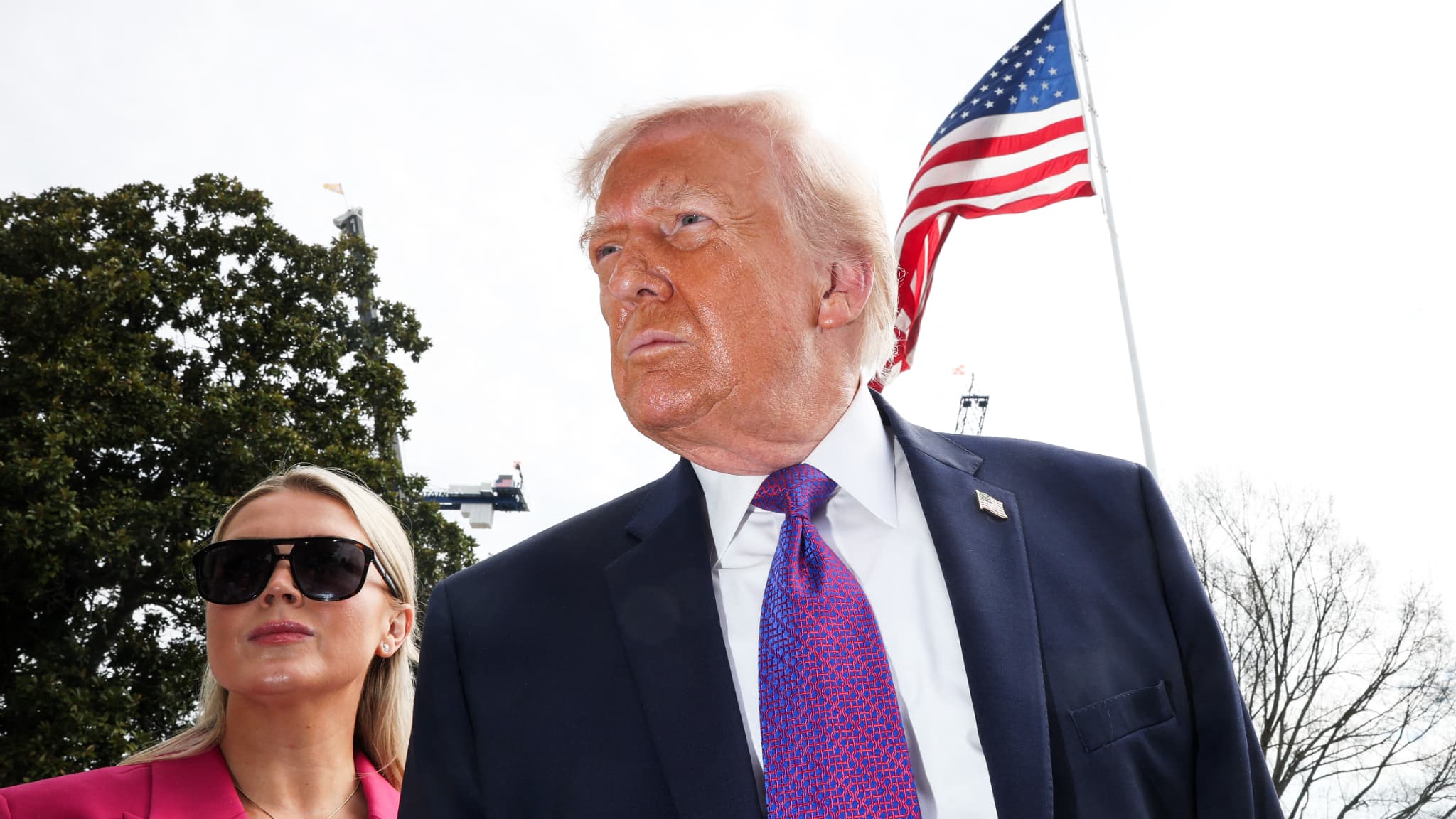
The European Union has embarked on a series of free trade agreements to reduce dependence on China, while trying to maintain the compromise on customs duties negotiated last year with Donald Trump. Euro MPs approved by a very large majority (417 votes for, 150 against) the removal of customs duties applied in the EU on most American imports, as committed by the European Commission, in exchange for capping Trump’s tariffs on European products at 15%.
Safeguards and sunset clause However, they coupled this green light with multiple safeguards, suspensive conditions, and even with a sunset clause (set in March 2028) to denounce the unbalanced nature of this agreement, and show their extreme mistrust towards the American president, who uses customs duties as a diplomatic weapon. “We will not be intimidated, we will not be forced to accept a bad deal, and today, we show the citizens that this European Parliament defends their interests,” emphasized Belgian MEP Katleen Van Brempt (S&D, left). On the right, Croatian Zeljana Zovko (EPP) pointed out that “16 million jobs depend on transatlantic trade”, calling to “strengthen” it through this vote.
Legal uncertainty Its examination by the Parliament was delayed due to threats of Greenland annexation by the United States, and then the decision of the American Supreme Court. This created a huge legal uncertainty, by invalidating Donald Trump’s customs duties, forcing Washington to implement provisional taxes, pending a new tariff regime in July.
For these conditions to apply, they must be approved by the member states in anticipated tough negotiations. Despite the Parliament’s efforts to balance the situation with the Americans, French MPs from the centrist Renew group had announced they would vote against the text. “The only political added value of this agreement was to provide stability and predictability, even if many say it is an unfair agreement,” explained one of them, Pascal Canfin, to the press. “If it doesn’t even provide more predictability, there is no reason to support it, even improved.”
Diversification strategy European Commissioner for Trade, Maros Sefcovic, praised a “crucial step” for Europe and the United States, while the US Ambassador to the EU welcomed “a good decision for citizens on both sides of the Atlantic”. While Europeans try to manage their relations with the US as best as they can, they are also making efforts to reduce their dependency both on this turbulent ally and on China.
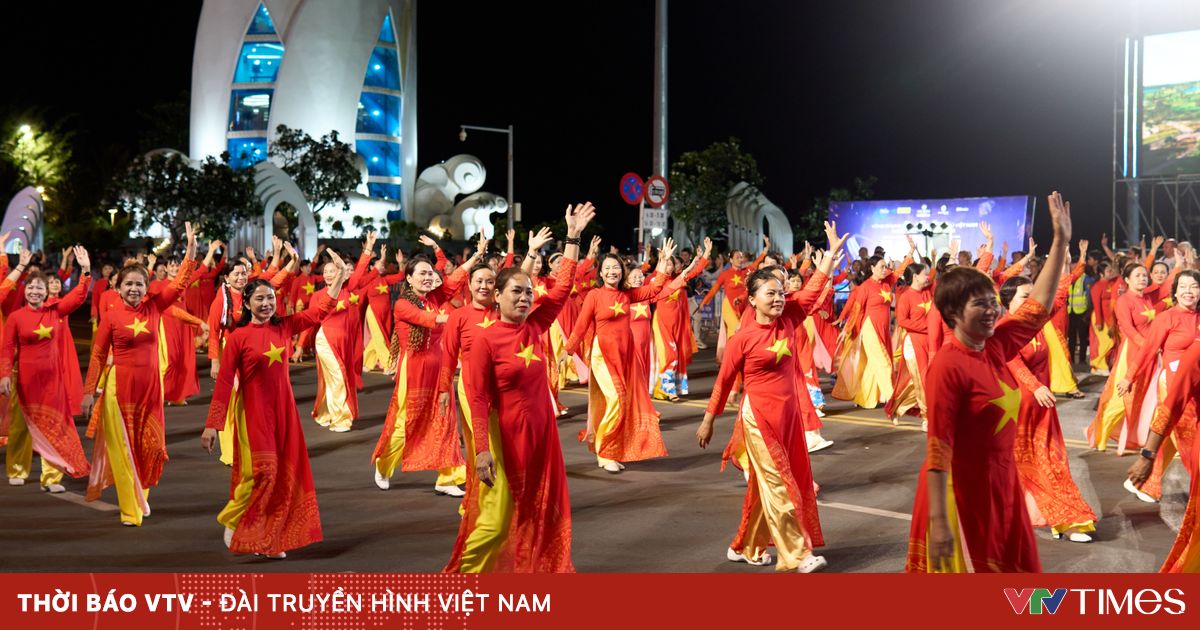
As shown by the multiplication in recent months of free trade agreements between the EU and partners with whom they had sometimes been negotiating for decades: after Indonesia, Vietnam, and Mercosur, this week the EU concluded its fourth agreement in six months with Australia. Economist André Sapir, a member of the Bruegel think tank, explained that this trade diversification policy was not launched because of Donald Trump, but he gave it a serious boost.
“Trump has sown disorder: while the United States used to be at the center of the international economic and trade system, they have now become a destructive element of this system,” he argues. Faced with Mr. Trump’s or China’s “coercive” measures, forging new alliances would be an obvious “offensive” dimension for him. “These agreements are part of our arsenal. They are our aircraft carriers, our strategic weapons in the international order,” he said. This way, he sees them as a realization of the wishes of Canadian Prime Minister Mark Carney, who had called at Davos for “middle powers” to unite against the “hegemonic powers” dominating the international order.