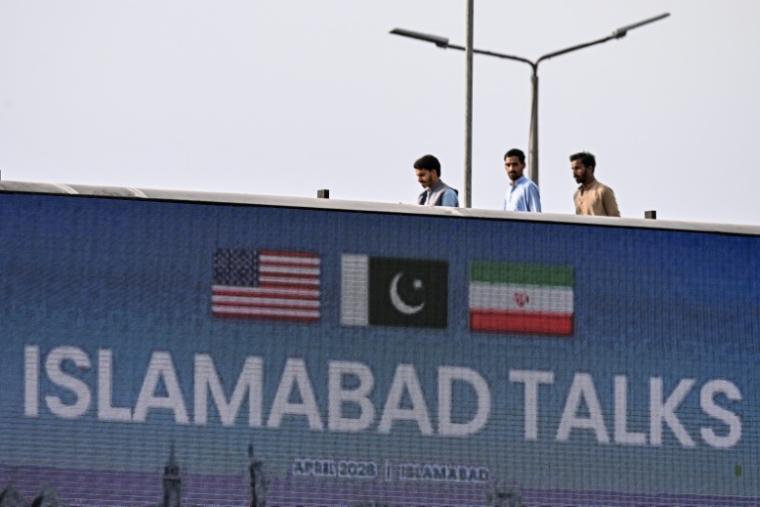
Vice President J.D. Vance, son-in-law of Donald Trump Jared Kushner, and his envoy Steve Witkoff are meeting today, Saturday, April 11, with the President of the Iranian Parliament Mohammad Baqer Ghalibaf and Foreign Minister Abbas Araghtchi in Islamabad, Pakistan.
Discussions may stem from an Iranian ten-point proposal that was reportedly accepted by Donald Trump on Wednesday, April 8, as a basis for negotiation. The White House claims that the U.S. submitted a 15-point plan, most of which Iran had already agreed to.
The U.S. proposal reportedly includes commitments from Iran not to possess nuclear weapons, to surrender highly enriched uranium stocks, restrict its ballistic capabilities, end support for allied groups in the region, and reopen the Strait of Hormuz.
The positions of both parties are notably divergent, particularly regarding uranium enrichment, the Iranian ballistic program, sanctions relief, and U.S. bases in the region.
President Trump stated yesterday, April 10, that U.S. warships were being replenished with ammunition to resume strikes against Iran if peace talks in Pakistan fail.
It remains uncertain if Tehran, which sees control of the Strait of Hormuz as crucial leverage, would be more receptive to American demands than it was in February in Geneva.
The issue of Lebanon could also be on the table, despite being disregarded by both the U.S. and Israel.
Tehran considers J.D. Vance’s presence a sign of American willingness to find a swift resolution to the conflict, especially as U.S. inflation rose to 3.3% in March, largely due to high energy prices.
Vice President Vance faces a challenging position, with his political future potentially hinging on the negotiation outcome. Rubio, although not in favor of war against Iran, has vigorously presented the White House’s arguments for war necessity.
His role in negotiations is expected to be secondary to Vance’s, especially in addressing the nuclear issue with Iranian counterpart Abbas Araghchi in potential technical talks.