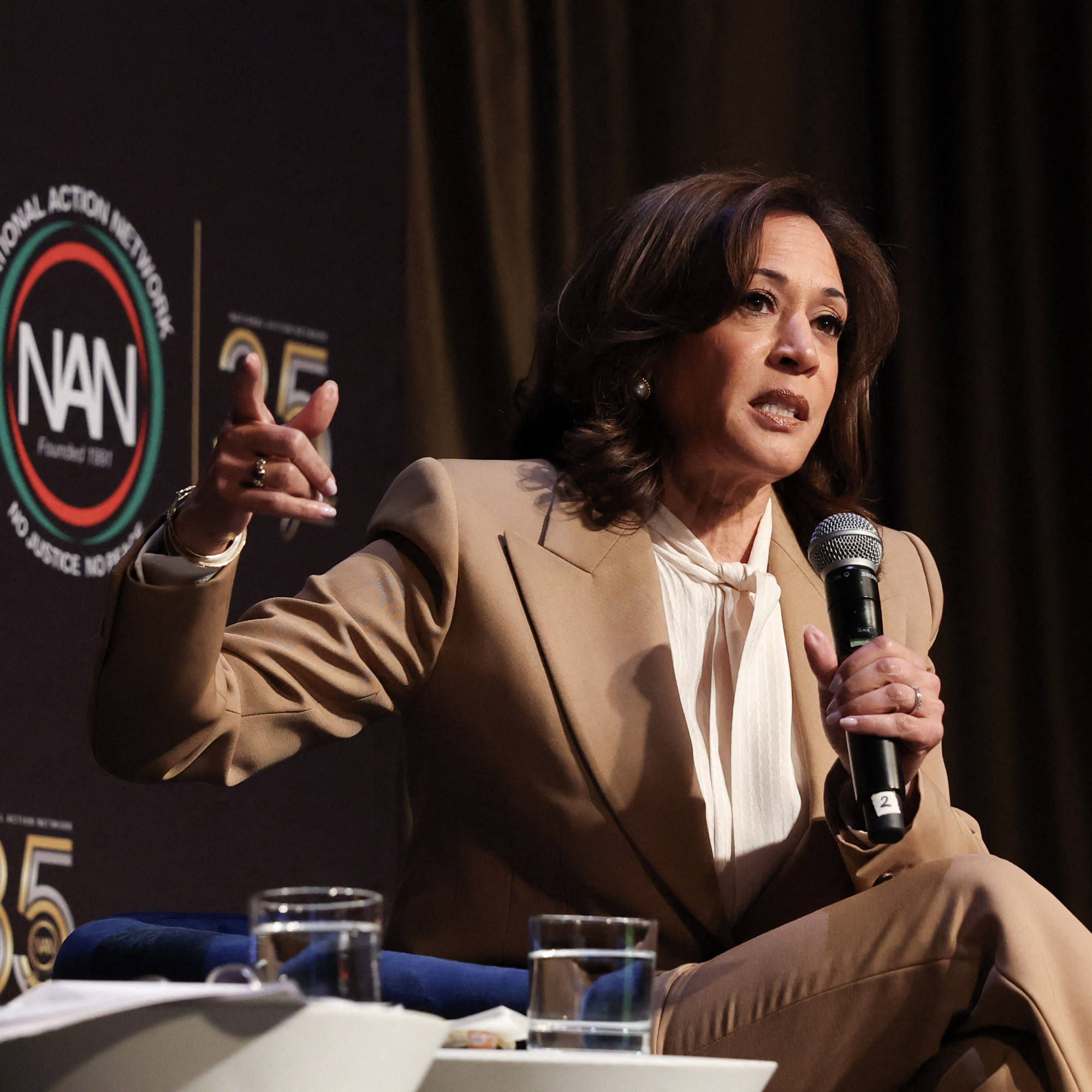
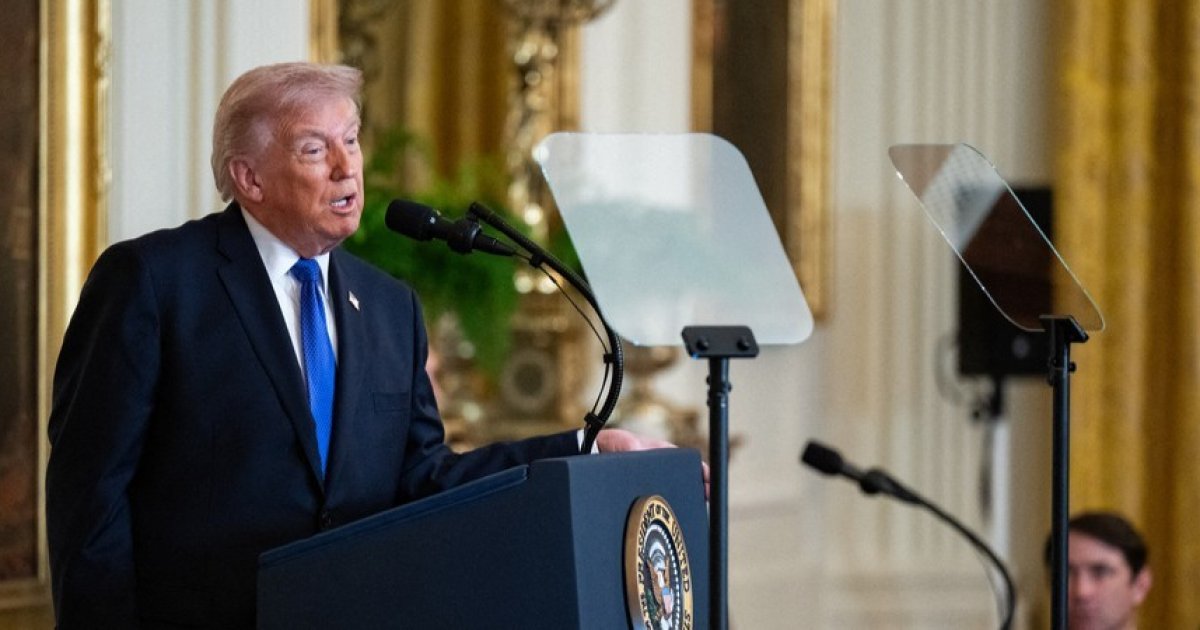
On Saturday, American Vice President JD Vance and the Iranian delegation led by Parliament President Mohammad Bagher Ghalibaf gather in Pakistan to try to turn the ceasefire into a lasting truce. But Tehran and Washington show deep mutual distrust.
Peace talks are set to begin in Islamabad, Pakistan, in an attempt to end the war in the Middle East forty-two days after the conflict began. Saturday morning, American Vice President JD Vance landed at Nur Khan Air Base, welcomed by Pakistani army chief Asim Munir. Accompanied by special envoy Steve Witkoff and Jared Kushner, a figure similar to Donald Trump, he leads a delegation tasked with finding a diplomatic solution to the war.
Later in the day, they will meet with the Iranian delegation of over 70 people, which arrived on Friday night. This delegation is led by Parliament President Mohammad Bagher Ghalibaf and Foreign Minister Abbas Araghchi.
Prime Minister of Pakistan Shehbaz Sharif has already warned that after the temporary two-week ceasefire secured from Tuesday night to Wednesday, “a more challenging step awaits us now: establishing a lasting truce and resolving delicate issues through diplomatic means.”
Before the start of the talks, each side has issued warnings. “We have good intentions, but we do not trust,” stated Mohammad Bagher Ghalibaf upon arrival. Tehran sets two major preconditions: a ceasefire in Lebanon and the blocking of its financial assets.
Negotiations with the United States in the past have always ended in “failures and broken promises,” emphasized the official, quoted by Iranian state television. Israel carried out the deadliest strikes of the conflict in Lebanon on Wednesday, with 357 deaths in one day. While Iran demands a ceasefire on this front, Israel expressed willingness to engage in direct negotiations with Beirut, determined to continue its fight against Hezbollah, who has claimed new drone and rocket attacks on Saturday morning. Talks between Lebanon and Israel are scheduled for next Tuesday in Washington, although Hezbollah has already rejected this initiative.
As an American counterpart, JD Vance warned Iran before boarding the plane: “If they try to play games with us, they will see that our negotiation team will not be very receptive,” he declared. However, he assured to “try to lead positive negotiations.”
Earlier, Donald Trump stated that Iran “has no cards in hand” and predicted the imminent reopening of the Strait of Hormuz, a strategic maritime passage for Gulf oil deliveries, which is locked by Tehran. “It will open automatically because Iran doesn’t make money otherwise,” he estimated.
Iran’s Supreme Leader Mojtaba Khamenei assured that the management of the strait would enter a “new phase.” “Iran is not seeking war but will not relinquish its rights, considering all resistance fronts as a unified entity,” he added, referring to regional militias allied with Tehran, including the Lebanese Hezbollah.
In Iran, the state television broadcasted images of the country’s delegation’s arrival in Pakistan, clarifying that the threshold of 20 million people registered online to volunteer to defend Iran in case of conflict resumption had been crossed. In a country experiencing a record internet outage of over 1,000 hours, the population appears skeptical.
“We shouldn’t take Trump too seriously. He wants to wipe out a civilization off the map, and twelve hours later, he puts in place a ceasefire that is baseless,” summarized a 30-year-old resident, speaking to Agence France-Presse (AFP) anonymously.
Global markets closely monitor the outcome of this summit. After the announcement of negotiations, the price of oil briefly fell below $100 per barrel on Friday evening.