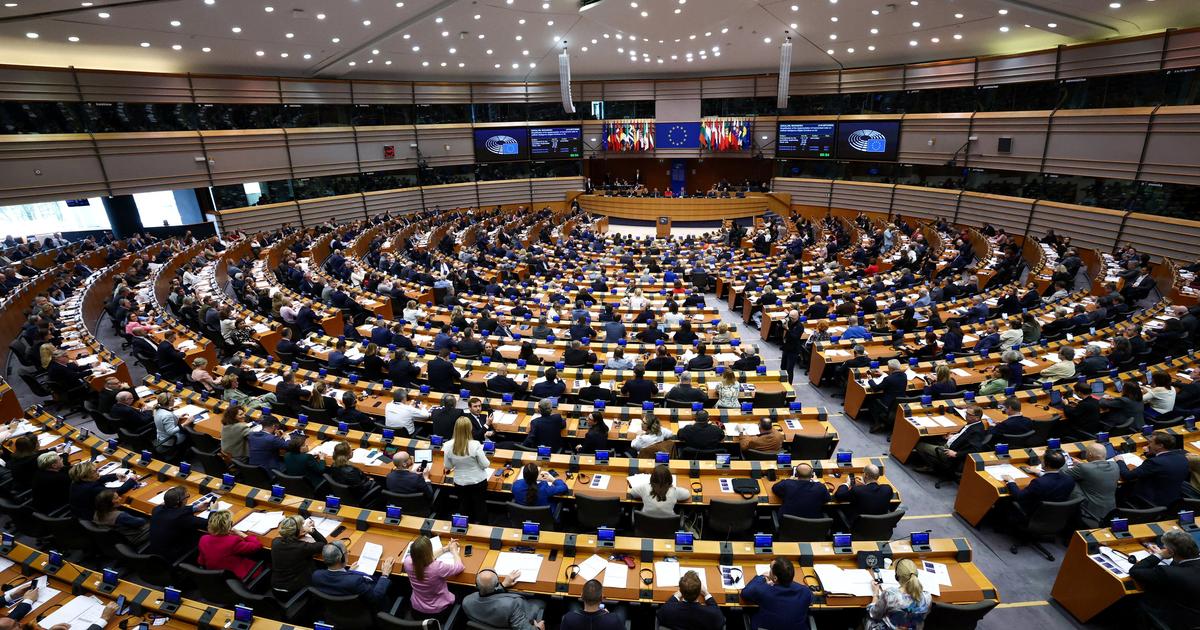
Rennes Métropole will soon welcome its 111 metropolitan advisers. Even if a few municipalities have shifted to the right or center, the left remains largely in the majority.
During the municipal elections, we also elected those who sit on the 18 intermunicipalities of Ille-et-Vilaine, the largest of which is Rennes Métropole. Rennes Métropole, whose 2026 budget has exceeded one billion euros (1.088 million euros), encompasses 43 municipalities and has 111 community councillors.
During a Conference of Mayors of Rennes Métropole in May 2025, it was decided that the “Metropolitan Council would be composed of 111 councillors for the 2026-2032 term”, a decrease from the current 112. It was also decided to ensure “better representation of municipalities”. Thus, Rennes, Cesson-Sévigné, and Laillé lose a seat, while Orgères and Saint-Gilles gain one.
As the number of councillors is based on the population, Rennes is obviously the most represented municipality, with 48 seats, distributed based on the results from last Sunday. The winning list of Nathalie Appéré (43.8%) obtained 35 councillors, 9 for Charles Compagnon’s second-place list (36.4%), and 4 for Marie Mesmeur’s list (19.9%).
Behind Rennes, Bruz is the only municipality with 4 metropolitan councillors, and Cesson-Sévigné is the only one with 3. Sixteen municipalities have two representatives, while twenty-four others have only one.
With the results from last Sunday, the left holds 62 seats in the Metropole, not including the 4 from LFI, making it the majority once again. The center has 22 representatives, and the right has 9. There are also 14 “independents” who, even by choosing opposition, would not constitute a majority.
The new metropolitan council is set to be installed on April 9th, with the President being elected on that occasion. Nathalie Appéré is a candidate for her own succession.