Attacks on oil tankers, threats to the Strait of Hormuz, and a surge in prices: Iran appears to have chosen economic warfare against Israel and the United States. A strategy aimed at provoking a global energy crisis, the effectiveness and duration of which remain uncertain.
The International Energy Agency describes it as the most significant disruption to oil supplies in history. Behind this lies an Iranian strategy gradually turning the conflict into economic warfare. In recent days, several oil tankers have been targeted, and energy infrastructure has been hit in the Gulf. At the same time, Iranian authorities are issuing warnings. “Prepare to see the price of oil reach $200,” declared the Iranian military command.
Energy as a strategic lever
For Tehran, energy has become a tool of pressure in the conflict. A strategy driven by the military imbalance with its adversaries. Didier Leroy, a researcher at the Royal Higher Institute of Defense, summarizes the Iranian logic.
“The military balance is clear, and it is not in favor of Tehran. So, the only way, at least the only hope to stop the Israeli-American campaign is to increase pressure from Washington and Tel Aviv’s allies on them. That’s why we hit them where it hurts,” he explained.
In other words, by targeting global energy flows, Iran hopes to push the economic partners of the United States and Israel to exert pressure on them.
The Strait of Hormuz at the heart of the strategy
At the center of this economic battle lies the Strait of Hormuz, one of the crucial points in global oil trade. Approximately 20 million barrels of oil pass through it daily, with nearly 80% destined for Asia. This traffic is now disrupted by threats and attacks attributed to Iran.
The Iran has no choice.
For Samuel Furfari, a geopolitics professor at ULB, the desired effect mainly relies on fear: “They can scare ships, making them think, ‘We might have a drone on our oil tanker or our freighter.’ It’s a question of fear today, not physics. The strait is not closed; you can navigate it. But you don’t take risks.”
$100 per barrel
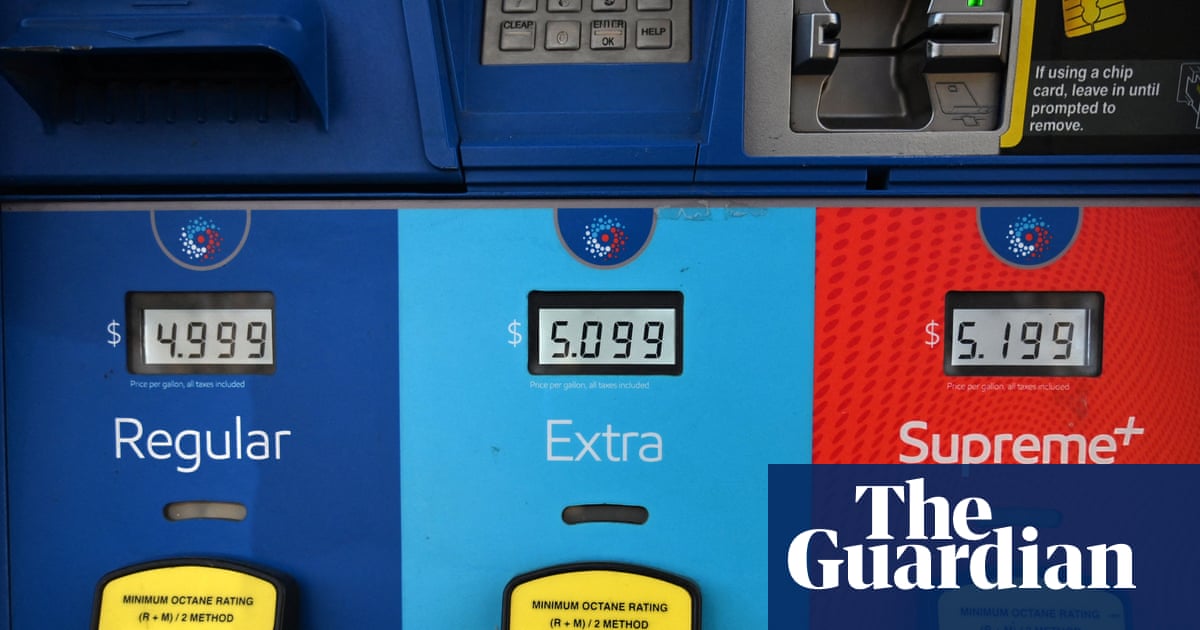
The effects are being felt on the markets. Approximately 3,000 ships are currently immobilized, while Gulf producers have reduced production by at least 10 million barrels per day. As a direct consequence, the price of oil has now surpassed $100 per barrel.
To try to calm the markets, 32 member countries of the International Energy Agency announced the release of 400 million barrels from their strategic reserves on Wednesday. However, this measure has not yet succeeded in lowering prices.
A war of attrition with uncertain consequences
The central question remains: how long can this strategy last? According to Didier Leroy, Iran may continue on this path due to a lack of alternatives. “Iran has no choice, so it will continue this forward momentum, hoping that over time, the equation or balance between costs and benefits will increasingly favor Washington and Tel Aviv. It’s not guaranteed; no one knows exactly how long this can last.”
The Revolutionary Guards claim to be ready to wage a war of attrition, even if it means destabilizing the global economy. Meanwhile, Donald Trump remains firm: for Washington, the top priority is to stop the Iranian nuclear program, regardless of the economic consequences.