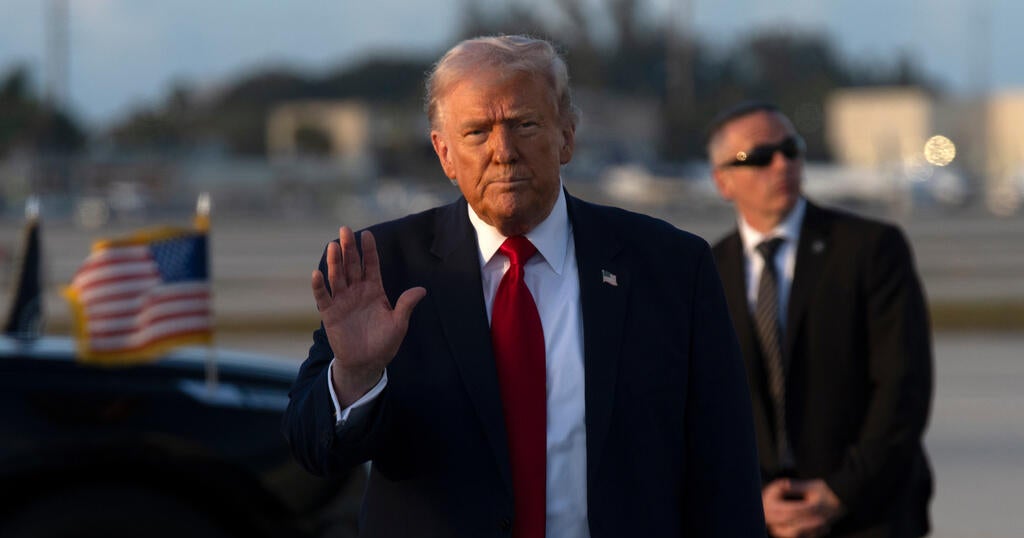
In a context of increasing geopolitical tensions related to the war in the Middle East, Russian President Vladimir Putin and American President Donald Trump had a lengthy telephone conversation that the Kremlin described as “constructive, open, and professional.” This information was confirmed by Russian Presidential Adviser Yuri Ushakov, who specified that the conversation between the two leaders lasted about an hour and mainly focused on the war in Iran and the evolving conflict in Ukraine.
According to Russian officials, Vladimir Putin informed Donald Trump about the situation on the eastern Ukrainian front, highlighting what Moscow describes as a significant advance of Russian troops along the contact line. The Russian president stated that these developments should prompt Kyiv to seriously consider a negotiated solution to the conflict. This is the first known direct contact between the two leaders in over two months and the first since the start of the US-Israeli military offensive against Iran.
The phone call between Washington and Moscow comes as the conflict with Iran enters its tenth day, fueling fears of widespread destabilization throughout the Middle East. President Trump has stated in several interviews that the war is “practically over” and that the United States now has a decisive military advantage.
Despite these statements, bombings, drone strikes, and missile attacks continue on the ground involving multiple countries in the region, from the United Arab Emirates to Qatar to Bahrain. This instability has also led to air alerts and missile interceptions by NATO defense forces and several Western armies.
One of the aggravating factors in the international situation is the election of Mojtaba Khamenei, son of Ayatollah Ali Khamenei, as the Supreme Leader of Iran following his father’s death during the initial Israeli attacks on Tehran. His appointment has provoked strong reactions, both in the West and within the Islamic world.
Donald Trump has openly expressed dissatisfaction with the choice of Iranian leaders, calling it a “serious mistake” and implying that his administration is exploring different political and strategic options to manage the new situation. Meanwhile, in Tehran, thousands of regime supporters have marched with portraits of the new leader, while protests and slogans against the dynastic succession can be heard in certain parts of the capital.
As military operations continue, diplomatic efforts are intensifying to prevent an uncontrolled escalation. European Union leaders have expressed readiness to facilitate the resumption of negotiations with Iran, and Lebanon has officially requested the United States to mediate in direct peace talks with Israel.
In this extremely unstable context, the dialogue between Moscow and Washington assumes crucial strategic importance. Although the phone conversation between Putin and Trump did not lead to any concrete announcements, direct contact between the two global powers is seen by international observers as a sign of the need to keep diplomatic channels open in a particularly delicate phase of global geopolitical balance.