Washington-Tehran Tensions Transform Energy Balances in Asia
The tensions between Washington and Tehran are disrupting energy balances in Asia, where dependence on Middle Eastern hydrocarbons is becoming a major strategic risk. Faced with supply fragility and soaring costs, several governments are accelerating their transition to renewable energies, with Pakistan as an unexpected example of rapid and massive transformation.
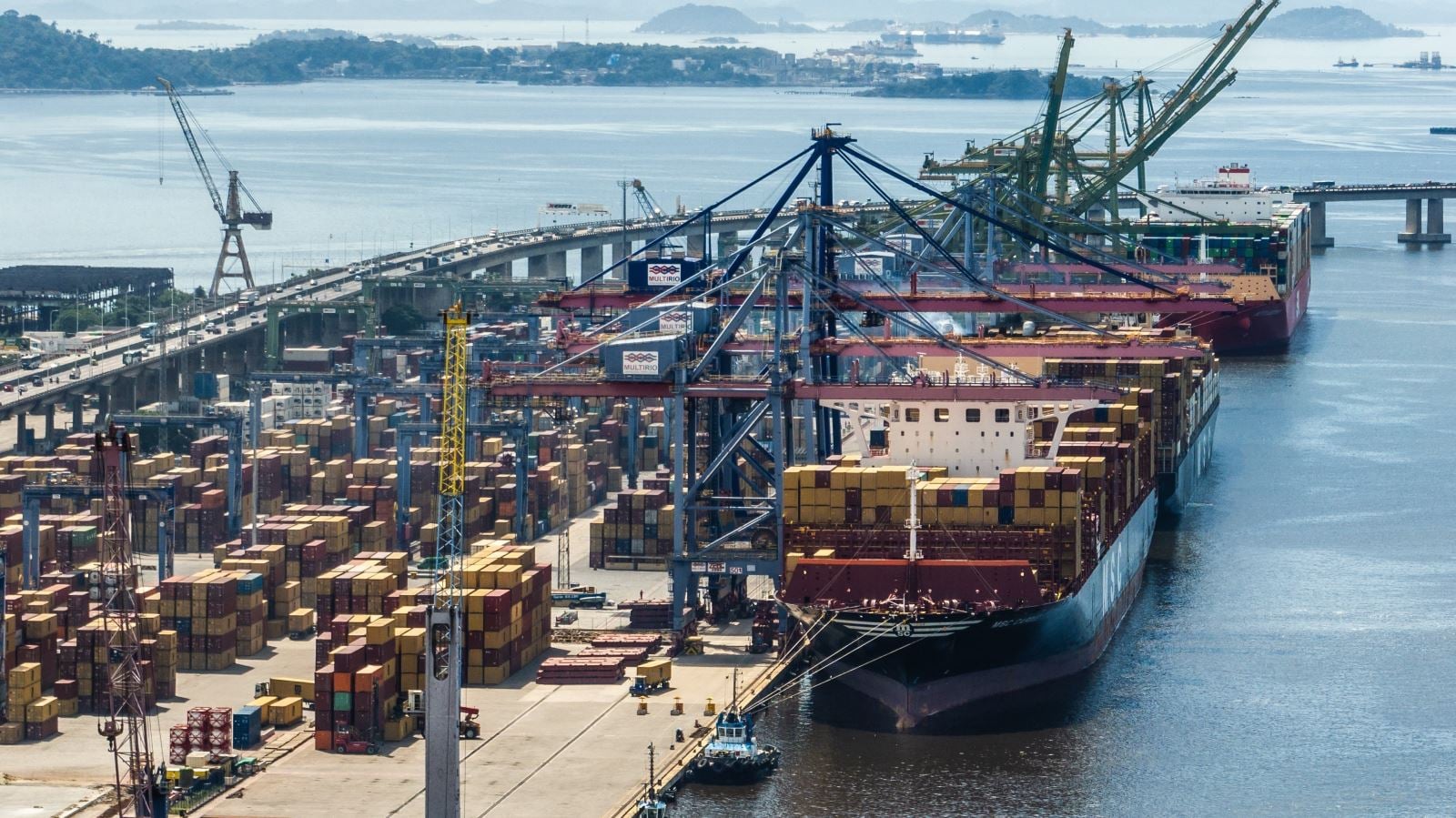
The Strait of Hormuz, a vital artery for global oil, is turning into a geopolitical flashpoint. Disruptions in this strategic passageway, through which over a fifth of the world’s oil trade flows, are placing Asian economies in an unprecedented vulnerability. For these nations heavily reliant on oil and liquefied natural gas imports, rising costs, potential shortages, and supply chain instability require a fundamental reassessment of their energy mix.
The Pakistani Laboratory
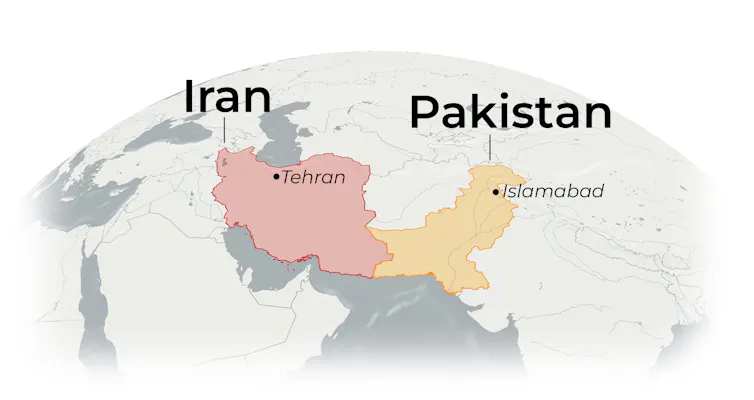
In this tense context, Pakistan emerges as a remarkable case study. A joint analysis by the Center for Energy, Air Quality, and Renewable Energies First reveals that the country’s solar transition has saved over twelve billion dollars in oil and gas imports between 2021 and early 2026. This energetic transformation, largely driven by consumers, is one of the fastest ever documented. The country has transitioned from less than one gigawatt of imported photovoltaic solar panels in 2018 to over fifty-one gigawatts by early 2026.
The impact on the trade balance is tangible: oil and gas imports have dropped by forty percent between 2022 and 2024. Solar energy is expected to provide twenty percent of the national electricity by the year’s end. The widespread installation of rooftop systems in homes, farms, and factories has structurally reduced demand for liquefied natural gas, leading to the renegotiation or redirection of some long-term supply contracts to international markets.
Regional Awareness
The Pakistani example resonates in Asian capitals, where leaders are urging an acceleration of the transition. South Korean President Lee Jae Myung recently warned of the recurring risks associated with fossil fuel dependence. “The latest war in the Middle East clearly shows that the energy transition, meaning the major shift to renewable energies, is no longer a national and historical task that can be postponed,” he said, according to Chosun Ilbo.
In Indonesia, President Prabowo Subianto appointed Energy Minister Bahlil Lahadalia to head a task force to speed up the shift to clean energies. Solar, geothermal, and biodiesel expansions are among the government’s priorities. The archipelago, currently at 15.75% renewable share, aims for seventeen to twenty-one percent by the end of 2026.
The Weight of Coal, a Persistent Obstacle
Despite these initiatives, the path to complete decarbonization remains fraught with challenges. The International Energy Agency notes that coal consumption in Southeast Asia is increasing faster than anywhere else in the world, with demand set to grow by over four percent annually until the decade’s end.
Vietnam imported a record sixty-five million tons of coal in 2025. In several regional countries, long-term electricity purchase agreements continue to pose legal and financial barriers to the early closure of coal-fired power plants. Environmental activists gathering in Kuala Lumpur recently expressed concerns: high gas prices could give governments a reason to extend the lifespan of coal facilities. “Coal expansion has really slowed in Southeast Asia. But because of these high prices, we fear they may lift the expansion ban,” warned Lidy Nacpil from the Asian Peoples’ Movement on Debt and Development.
A Contrasting Global Dynamics
A report from the International Renewable Energy Agency offers an encouraging perspective. Global renewable energy capacity surged from 692 gigawatts in 2025 to 5,149 gigawatts. Asia contributed 74.2% of all new installations, with solar alone accounting for 511 gigawatts, about seventy-five percent of the total growth.
These figures confirm the economic rationale of renewable energies, whose costs continue to decline. The central question, as geopolitical tensions escalate, is whether the most coal-dependent Asian countries can translate this momentum into a transition fast enough to ensure their long-term energy security. Pakistan’s experience shows that acceleration is feasible but requires sustained political will and massive investments in network and storage infrastructure.
The current crisis could mark a turning point in Asia’s energy history, where the quest for strategic independence now aligns with the climate imperative. Diversification of sources, with a greater role for solar, wind, and other clean technologies, appears less as a choice and more as a necessity amidst the persistent instability of fossil fuel markets.