
The current conflict in the Middle East cannot be simply seen as a juxtaposition of local crises. It arises from the encounter of several power dynamics that combine, contradict, and mutually radicalize each other: Israel’s strategy of preemption, Iran’s doctrine of depth and resistance to encirclement, the stabilizing vulnerability of Gulf states, and the possible exploitation of this conflict space by the United States in their rivalry with China, indirectly with Russia. A new additional variable is now added to this mix: the partial sacralization of the conflict, which is the moment when geopolitical objectives are invested with religious or eschatological interpretations that make compromise more difficult and deescalation more uncertain. In such a context, the French question becomes fully Gaullist once again: how to maintain freedom of analysis, decision-making, and dialogue in a region where local conflicts risk being absorbed by larger bloc dynamics?
Israel: From existential security to regional preemption
The strategic trajectory of Israel must be understood in the long term. The Hebrew state was established in an environment of high vulnerability, characterized by the narrowness of the territory, proximity to threats, and the foundational memory of survival. In this framework, security was never seen as a mere defensive posture, but as the ability to prevent the maturation of threats.
The 1967 war profoundly transformed this situation by giving Israel a new strategic depth. But this victory also opened a dilemma that was never resolved: should the conquered territories be seen as security guarantees, diplomatic bargaining chips, or as the foundations of a more enduring political and identity dynamic? Subsequent developments show that Israel has gradually shifted from a logic of immediate survival to a logic of…


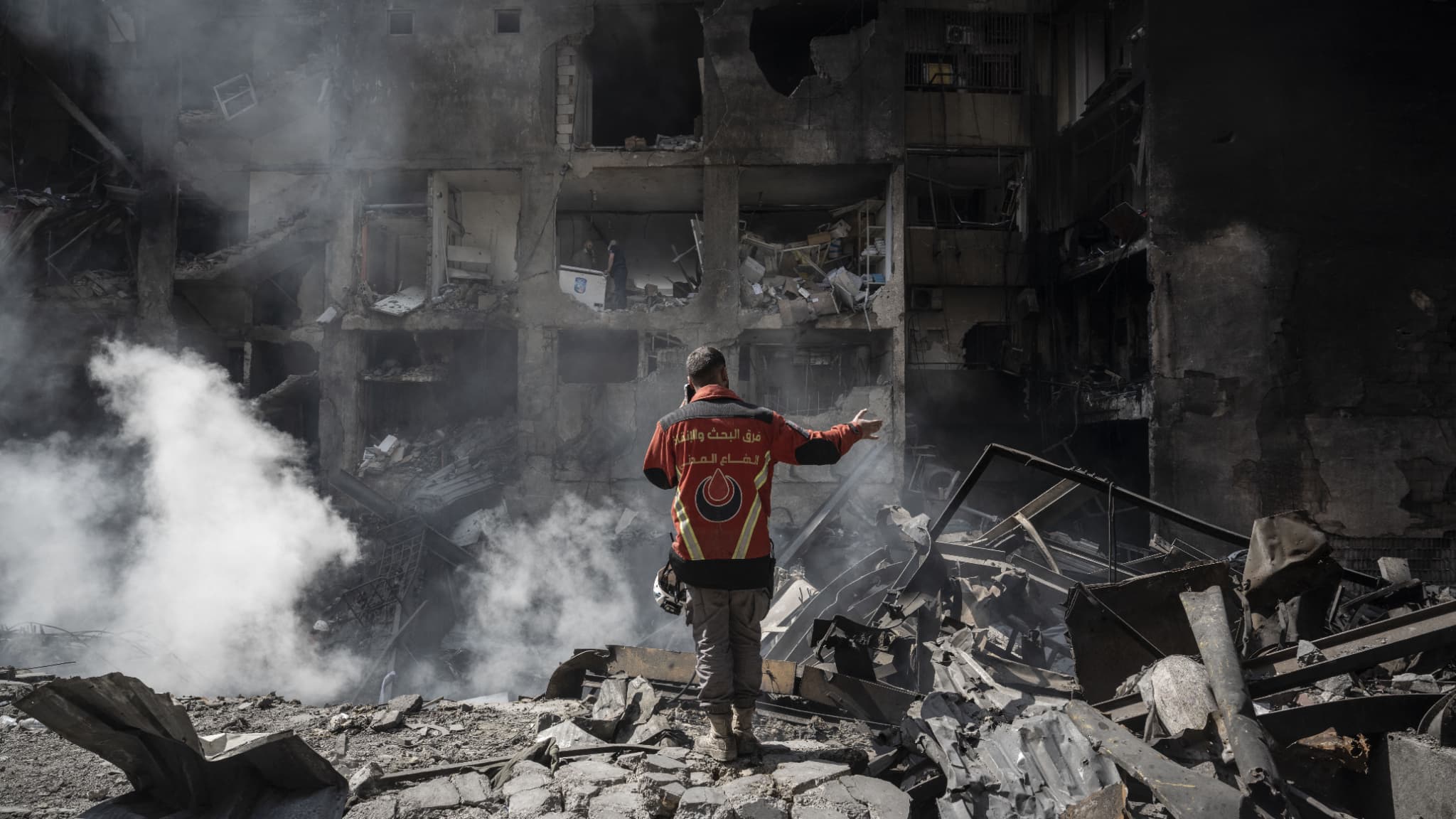


:max_bytes(300000)/frontpop/2026/04/moyen-orient-iran-guerre-gaulle.jpeg&description=War+in+the+Middle+East%3A+lessons+from+Gaullist+geopolitics)