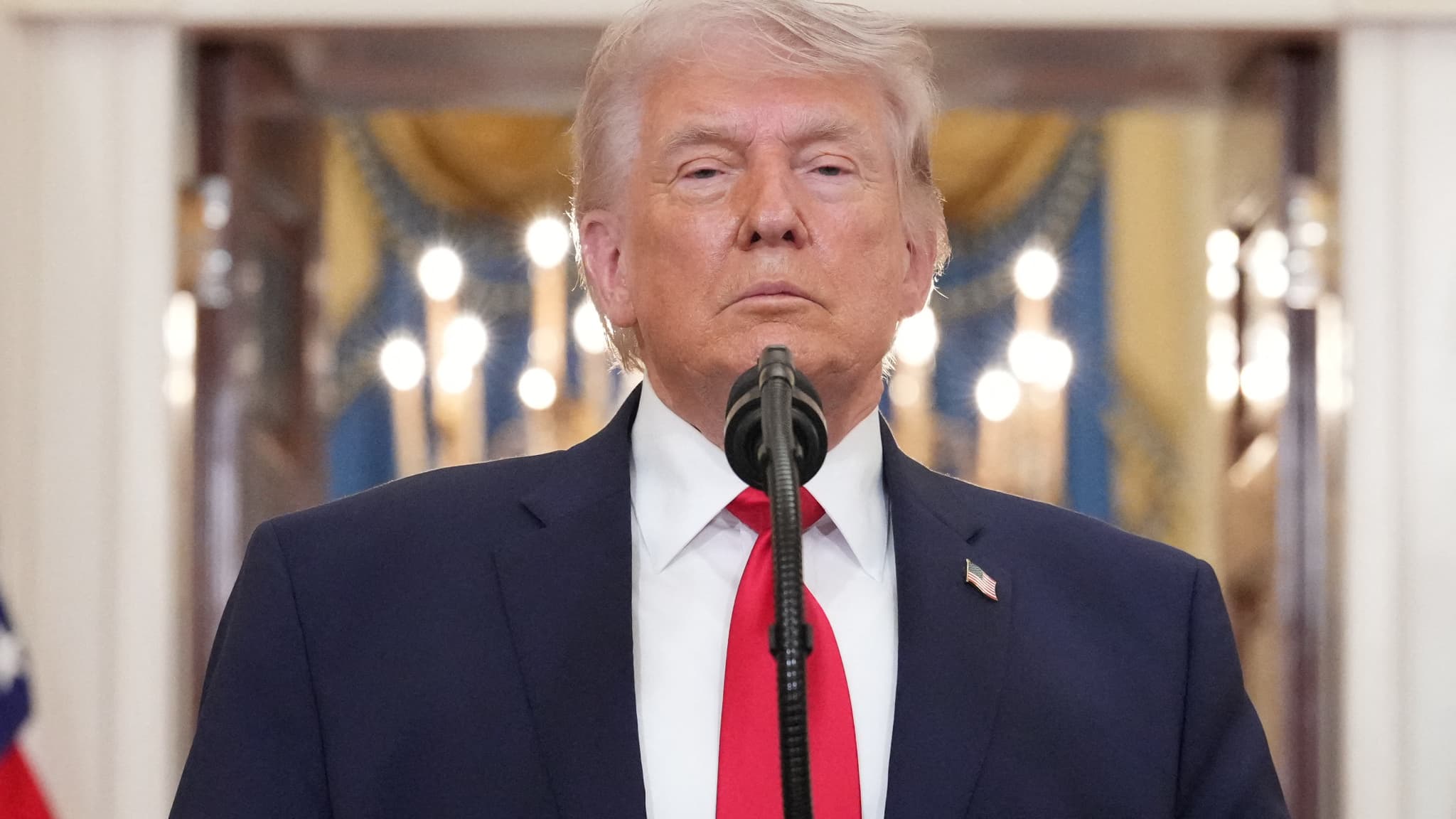
“The Secretary-General has been very clear about issues related to international law,” said his spokesperson, Stephane Dujarric, in response to a question about President Donald Trump’s comments threatening to strike bridges and other infrastructure in Iran. “Such attacks constitute violations of international law.”
“Civilian infrastructures, including energy, should not be targeted and, even when they could be considered military targets, international humanitarian law prohibits any attack likely to result in excessive civilian casualties,” he added.
“It is high time to end the conflict,” said the UN chief, emphasizing that “there is no viable alternative to the peaceful resolution of international disputes.”
The Secretary-General also reiterated that “the question of whether an act constitutes a war crime must be determined by a tribunal, but any attack on civilian infrastructures is a clear violation of international law.”
Additionally, Mr. Dujarric stated that Jean Arnault, Personal Envoy of the Secretary-General for the Middle East and its consequences, was traveling to the region on Monday as part of efforts related to the Strait of Hormuz.
The consequences of intense air strikes in Beirut in the densely populated residential areas of Bashura.
Lebanon: Attacks on health should not become the norm
At least four people were killed and 39 others injured on Sunday in a strike near the Rafic Hariri University Hospital, the largest public facility in Lebanon.
The hospital itself was not damaged, but the World Health Organization (WHO) expressed concern about the increasing proximity of hostilities to essential medical centers amid attacks on health structures.
Since the escalation began on February 28, 92 attacks on health facilities and ambulances have been verified, resulting in 53 deaths and 137 injuries.
“These acts cannot become the new norm,” warned WHO Director-General Tedros Adhanom Ghebreyesus, emphasizing that “the protection of health care is not optional but a universal obligation.”
Water supply threatened by the conflict
The United Nations Economic and Social Commission for Western Asia (ESCWA) warned of a rapid deterioration in water security in the Gulf, where nearly 40 million people depend on desalination for their drinking water.
Any disruption – be it from strikes, damage to energy infrastructure, or contamination of seawater – could disrupt the water supply.
In Gaza, an airstrike on March 25 reduced the capacity of the main desalination plant in the south by less than 20%, depriving about 500,000 people of sufficient access to drinking water despite emergency deliveries.
The United Nations warn that these threats could “seriously affect water supply,” as displacement, especially in Lebanon, further strains essential services.
Hundreds of displaced families have found refuge on the Beirut waterfront, sleeping in tents or in their cars.
Displacements: Steady flows across the region
Population movements related to the crisis in the Middle East continue in several countries, according to the UNHCR.
Between late February and April 2, about 68,600 Iranians crossed the border into Turkey and nearly 53,000 returned, while up to 3.2 million people remain displaced within Iran.
In Lebanon, over a million people have been displaced, with more than a third being children, and over 136,000 living in collective sites, as around 190,000 Syrians and over 31,700 Lebanese have crossed into Syria since the escalation began.
Moreover, more than 57,700 Afghans have returned from Iran and Pakistan amid persistent instability and border tensions.
:quality(80)/outremer%2F2026%2F04%2F06%2F69d3e69a200ba562397394.jpg "The Martinican Audrey Pulvar is rising in the French capital… I will have the honor of being the face of Paris internationally")