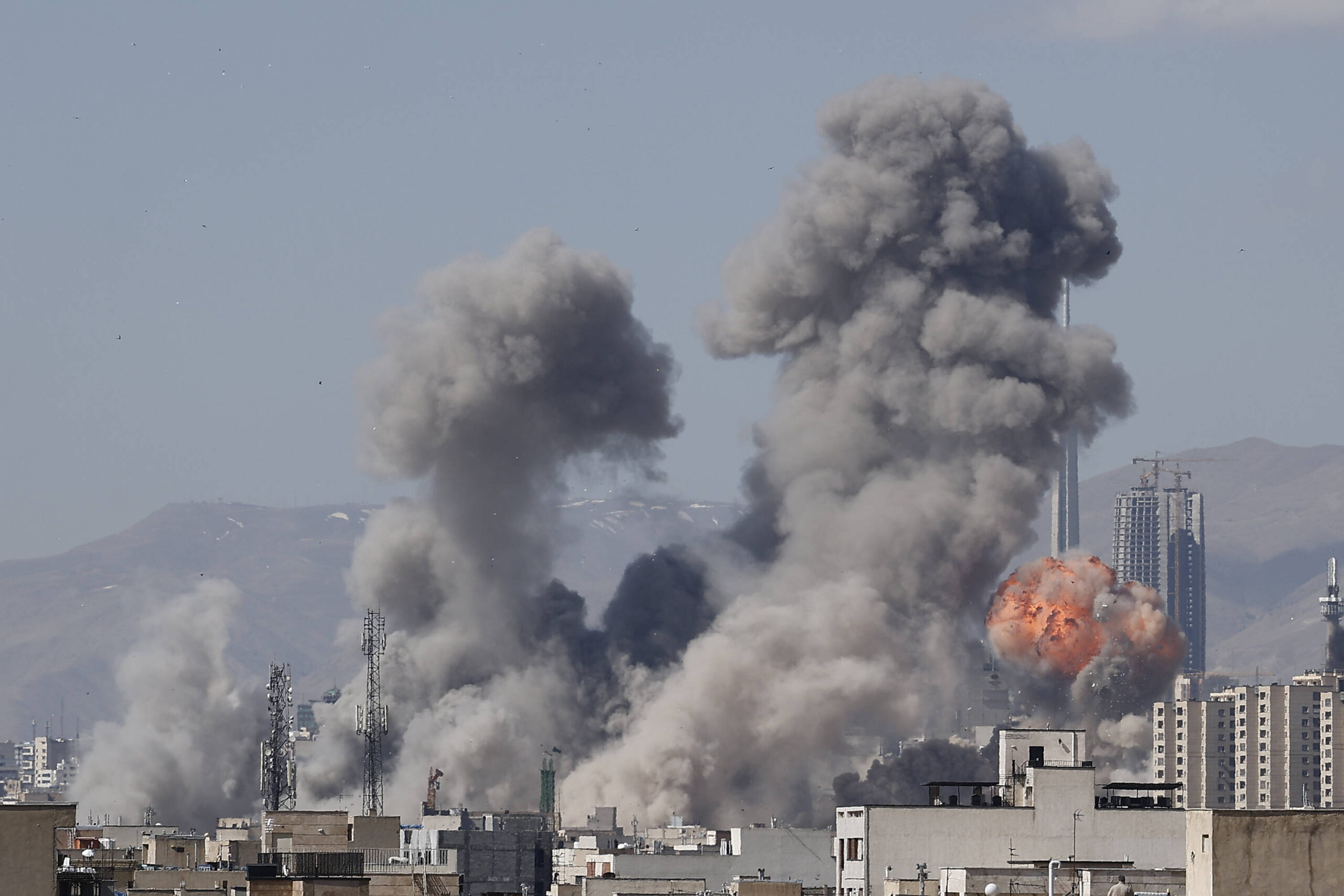
The city, located in the United Arab Emirates, was hit by a series of explosions this weekend. It alone represents nearly 25% of the national GDP of the United Arab Emirates.
Dubai, one of the seven emirates of the UAE, has become a major global economic hub thanks to a diversification strategy in sectors such as transportation, finance, and tourism to reduce its dependency on oil. Dubai, along with other Middle Eastern cities like Doha and Manama, experienced a series of explosions on Sunday morning following Iran’s attacks in the Gulf in response to American and Israeli strikes that killed the Iranian supreme leader. Located at the southwest tip of the Gulf, Dubai is the largest city in the UAE in terms of population with around 4 million inhabitants. It alone represents nearly 25% of the national GDP of the United Arab Emirates.
Economically, Dubai’s GDP showed a growth of 4.4% in the first half of 2025, with a GDP of 241 billion AED (around 55 billion euros) according to official figures. These numbers confirm the success of its diversification strategy in recent years, with more than 95% of the GDP coming from non-oil sectors. Wholesale and retail trade, a historical economic driver, remains one of the biggest contributors (over 25% of the GDP in the first nine months of 2024), while transportation and logistics – both maritime and air – (12.4%) have established Dubai as a global hub for the movement of goods and people.
Financial services, real estate, construction, and tourism are among the other growth factors. In the financial sector, the Dubai International Financial Centre (DIFC), established in 2004, now houses several thousand companies engaged in banking, insurance, asset management, fintech, and capital markets, serving as a crucial link between European and Asian capital flows. In the first half of 2025, the financial and insurance activities sector recorded a growth of 6.7%, contributing 12.5% to the GDP.
Dubai owes much of its economic success to its strategic geographical location between Europe, Asia, and Africa. The emirate has built an integrated logistic ecosystem around Jebel Ali Port, one of the largest deep-water ports in the world, and Dubai International Airport, consistently ranked among the top global airports for international passenger traffic.
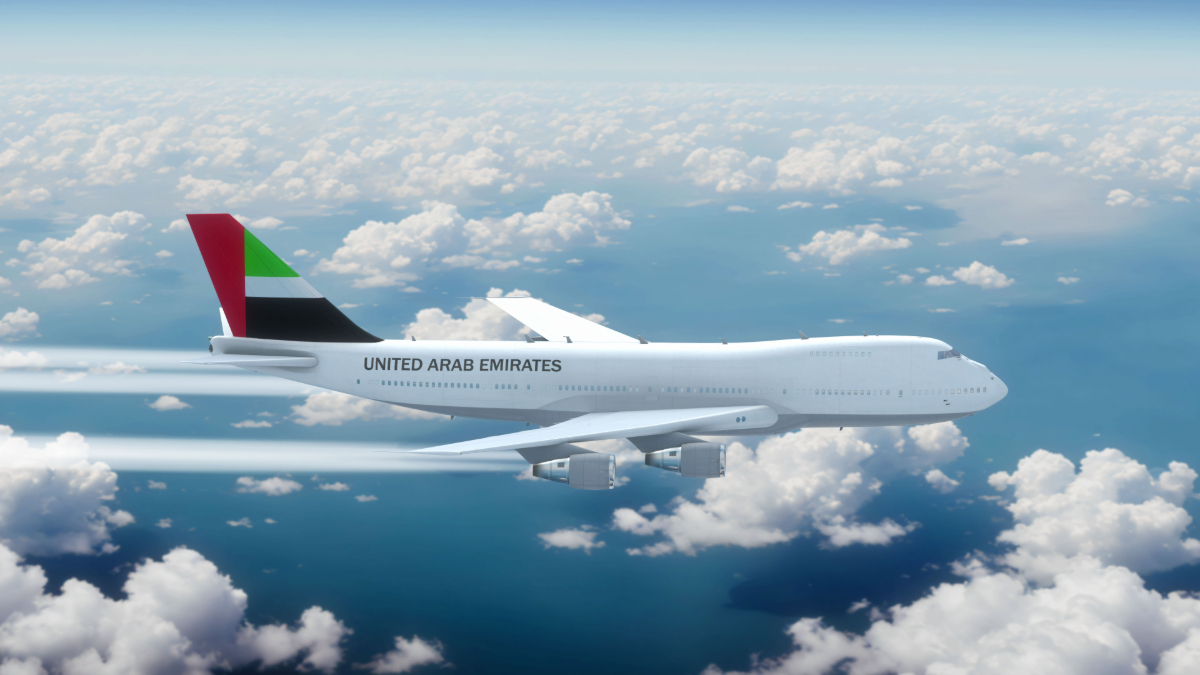
Just in aviation, Dubai, with its international carriers like Emirates, serves as a major hub, welcoming over 88 million passengers annually at its airports, according to an October 2024 report by Oxford Economics. The sector accounted for 27% of the GDP in 2023, with an approximate value of 37.3 billion US dollars. Moreover, nearly 20 million tourists visited Dubai in 2025, including 4 million Europeans and around half a million French visitors, as reported by Didier Arino of Protourisme.
This, in large part, fueled the creation of nearly 900,000 direct and indirect jobs in the UAE in sectors like hospitality, catering, commerce, and services. The emirate has heavily invested in tourism, shaping a global brand image that attracted investors and talents from around the world. The emirate hosts tens of thousands of influencers from the digital economy.