For the past few years, a discreet yet revealing phenomenon has been developing in Western societies: the rise of crisis preparedness culture. Stockpiling food, purchasing generators, building water or medicine reserves, acquiring survival equipment… What was once associated with marginal groups is gradually becoming a more widespread practice. This evolution reflects a profound transformation in the way Western societies relate to the future and the stability of the world.
The end of the sense of permanent security
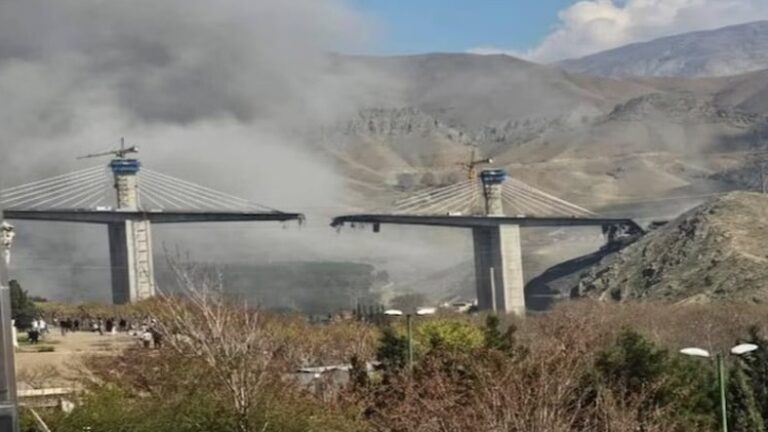
For several decades, a significant portion of Western societies lived in a relatively stable environment. After the end of the Cold War, the dominant idea was of a world gradually pacified, organized around economic globalization and commercial interdependence. In this context, major crises seemed to belong to the past or only concern distant regions. This perception has profoundly changed in recent years. Several events have contributed to undermining this sense of security. The Covid-19 pandemic demonstrated how economic and logistical systems could be vulnerable to a global shock. Temporary shortages of certain products reminded us that international supply chains could quickly disintegrate. In addition, growing geopolitical tensions among major powers, such as the war in Ukraine, tensions around Taiwan, and confrontations in the Middle East, have gradually planted the idea that international stability is no longer guaranteed. In this context, some citizens are starting to consider the possibility of more severe crises, whether economic, energy-related, or military. This psychological shift largely explains the progressive spread of the so-called “prepping” culture, which involves individual preparedness for emergency situations.
Preparation as a response to uncertainty
Contrary to the sometimes caricatured image, crisis preparedness is not limited to apocalyptic scenarios. For many enthusiasts, it is primarily a pragmatic approach to anticipating disrupted situations. The goal is not necessarily to survive a total societal collapse but rather to be able to cope with temporary crises. In this logic, preparation can take relatively simple forms: having food reserves for a few weeks, planning for alternative energy sources in case of prolonged power cuts, or organizing communication and transportation means in emergency situations. Some families also equip themselves with first aid supplies or water filtration systems. This trend is also fueled by a broader transformation in individuals’ relationship with institutions. In many Western democracies, a portion of the population expresses limited trust in states’ ability to effectively manage major crises. The challenges faced by some governments during the pandemic have reinforced this perception. In this context, individual preparation appears to some as a form of insurance against uncertainty. It allows individuals to regain a sense of control in an increasingly unstable environment.
A symptom of a more uncertain era
The rise of crisis preparedness culture can be interpreted as a broader symptom of contemporary world transformations. Western societies are simultaneously faced with several sources of uncertainty: geopolitical tensions, economic changes, energy transition, and rapid technological transformations. These developments fuel a diffuse sense of fragility in the global system. Recent crises have shown that unforeseen events can cause rapid and sometimes long-lasting disruptions. In an interconnected world, a health crisis, a regional conflict, or an energy shock can quickly have global effects. Faced with this uncertainty, individuals’ reactions vary. Some continue to trust institutions and collective mechanisms to manage crises. Others prefer to adopt a more autonomous approach by preparing themselves for difficult situations. The progressive spread of this preparation culture does not necessarily mean that Western societies are heading towards imminent collapse. Rather, it reflects a shift in the collective psychological climate. In a world where crises seem to be occurring more rapidly, preparation appears to some as a way to reduce anxiety about the future.
In this sense, the development of “prepping” constitutes less a rupture than an adaptation to an era marked by strategic uncertainty. When the future seems less predictable, the temptation to prepare for the worst becomes a rational response for an increasing portion of the population.