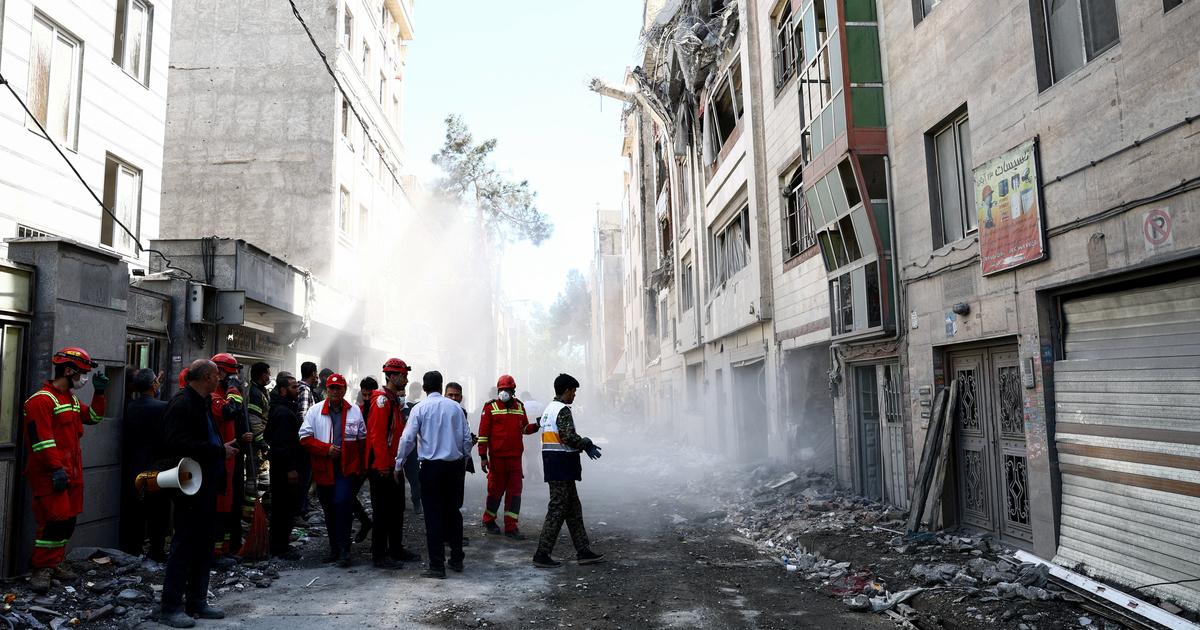
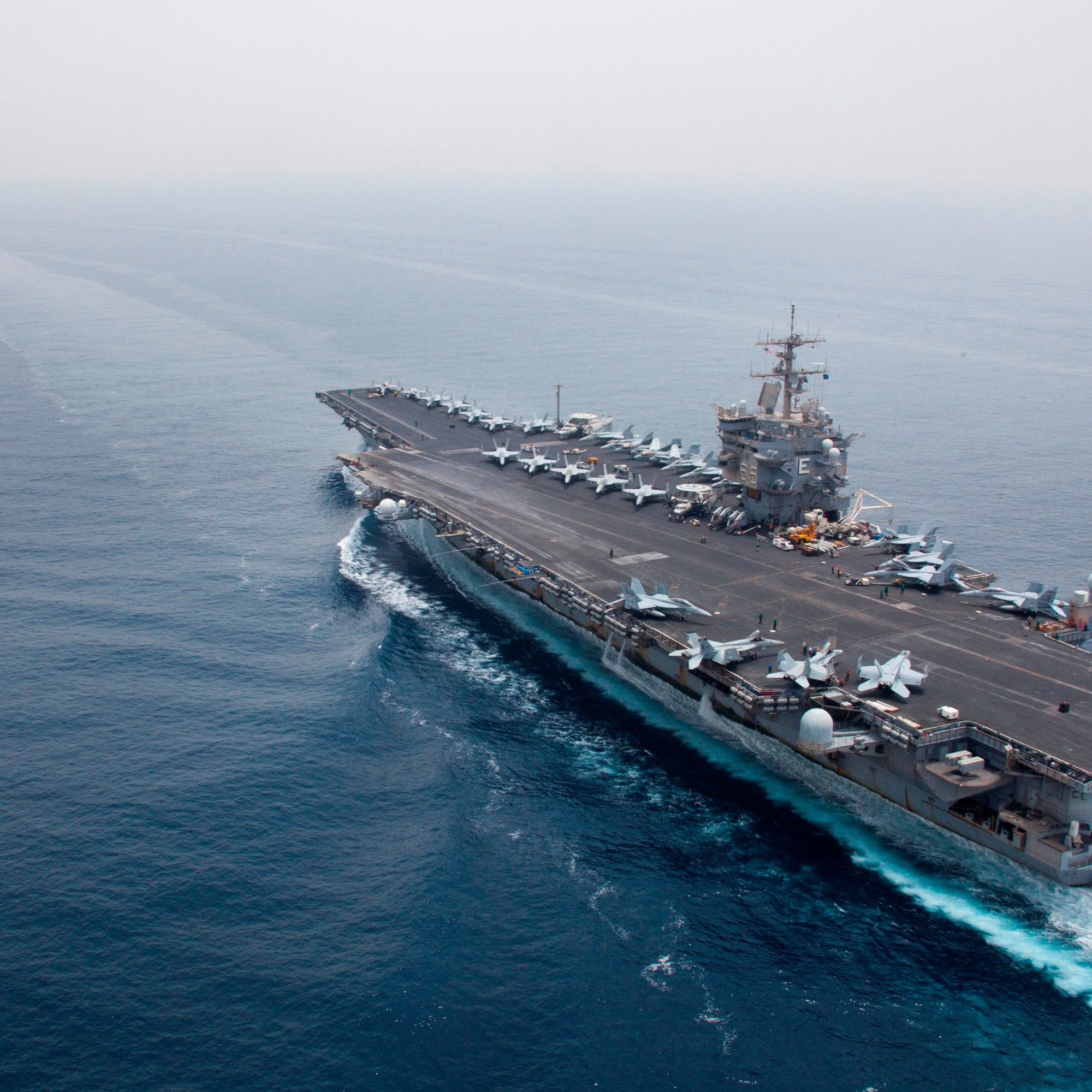
The American Secretary of State Marco Rubio arrived on Friday, March 27, 2026 at the Abbey of Vaux-de-Cernay, near Paris, to participate in the second day of the G7 Foreign Ministers meeting, largely focused on the war in the Middle East and its global economic consequences. This is his first foreign visit since the offensive launched by the United States and Israel against Iran, where he will be pressured by his counterparts to clarify the White House’s strategy on this month-long conflict.
Marco Rubio is expected to ask the German, British, Canadian, French, Italian, and Japanese ministers for assistance in reopening the Strait of Hormuz.
“The global economy held hostage”
In her opening remarks, the British Foreign Minister, Yvette Cooper, called for a “quick resolution” of the conflict, accusing Iran of “holding the global economy hostage.”
Prior to the summit, the Canadian Foreign Minister Anita Anand urged the G7 to “collectively” support de-escalation in the Middle East. She stated, “We must continue to use diplomatic channels to ensure there is a collective sense not only for de-escalation but also for mitigating the economic impact,” speaking in both French and English.
In a statement on Saturday, the G7 Foreign Ministers (Germany, Canada, United States, France, Italy, Japan, United Kingdom), along with Kaja Kallas, the European Union High Representative for Foreign Affairs, called for “the immediate and unconditional end to all attacks by the Iranian regime.”