By Victoria G. Corera – Platform “Don’t Forget Western Sahara”
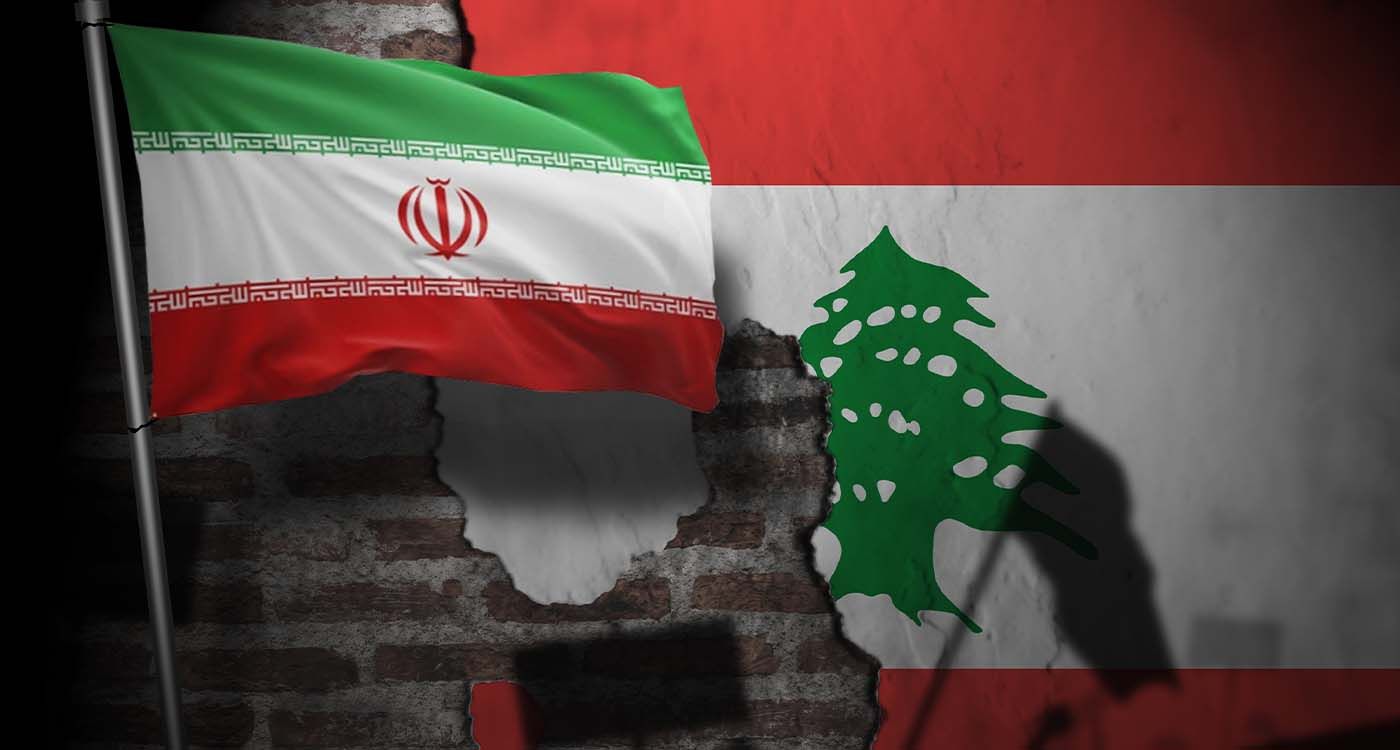
The military escalation around Iran, involving the United States and Israel, goes beyond the Middle East. It is part of a broader geopolitical reconfiguration that also affects North Africa. In this context, Western Sahara once again emerges as an indirect, but strategic, element within shifting international balances.
Morocco’s stance follows a clear political continuity. Since normalizing relations with Israel in 2020 under the Abraham Accords and the U.S. recognition of Moroccan sovereignty over Western Sahara, Rabat has solidified a strategic partnership with Washington and Tel Aviv. This political, economic, and military alliance persists in the current context of international tensions, reaffirming a lasting alignment.
Beyond rhetoric, this convergence is based on concrete interests: security cooperation, investments in strategic sectors, and joint projects development, including in areas related to Western Sahara. The U.S. support for the Moroccan position cannot be separated from this set of interests, which extends beyond the conflict in Western Sahara to a broader geopolitical logic.
Regional Context: Algeria and Iran, a relationship between tensions and pragmatism
The relationship between Algeria and Iran is characterized by a complex evolution of closeness and ruptures. It does not represent a stable alliance or consistent opposition but an equilibrium shaped by successive political contexts.
In the 1980s, Algeria played a significant diplomatic role in the conflict between Iran and Iraq, staying true to its tradition of international mediation. However, tensions arose when Algerian authorities perceived external interference in their internal affairs.
The most significant rupture occurred in the 1990s during the “black decade.” Algeria accused Iran of supporting armed Islamist groups, leading to a suspension of diplomatic relations. This episode deeply influenced the relationship between the two countries, creating lasting mistrust.
From the 2000s, a gradual normalization occurred under President Abdelaziz Bouteflika. Diplomatic relations were restored, and cooperation developed, particularly in political and energy fields. Algeria took a favorable stance on Iran’s right to develop nuclear technology for peaceful purposes, aligning with its defense of state sovereignty principles.
This relationship remains pragmatic. True to its tradition of non-alignment, Algeria aims to preserve its flexibility in a constrained international environment. In the current context, marked by the war in Iran, this approach translates into a diplomatic restraint, avoiding direct stances in a conflict with global implications.
A Constant: Western Sahara remains on the sidelines of the political solution
Despite these geopolitical developments, the central question remains unchanged. Western Sahara continues to be a territory awaiting decolonization, as recognized by the United Nations agenda. The right to self-determination of the Sahrawi people is acknowledged but not implemented.
Current international dynamics tend to integrate this conflict into alliance and power balance logics that surpass it. The risk is to sideline the Sahrawi issue in favor of broader strategic interests.
The war around Iran illustrates this trend: it shows how Western Sahara can be indirectly affected by global geopolitical balances, without contributing to a concrete progress towards its resolution.
Conclusion
The current sequence confirms a fundamental evolution: Western Sahara is increasingly involved in international dynamics that exceed its initial decolonization framework. While these changes strengthen some alliances and redefine regional balances, they do not address the essential issue. Instead, they risk prolonging a situation marked by the absence of a political solution, prioritizing geostrategic interests over respect for international law.


/2026/03/24/000-a4gz29e-69c312e26123a192095480.jpg "War in the Middle East: Donald Trump says United States are negotiating with Iran, Israel wants to take the con")