In 2024, the world spent a record $2.7 trillion on military expenses, with an increase in spending each year over the past decade.
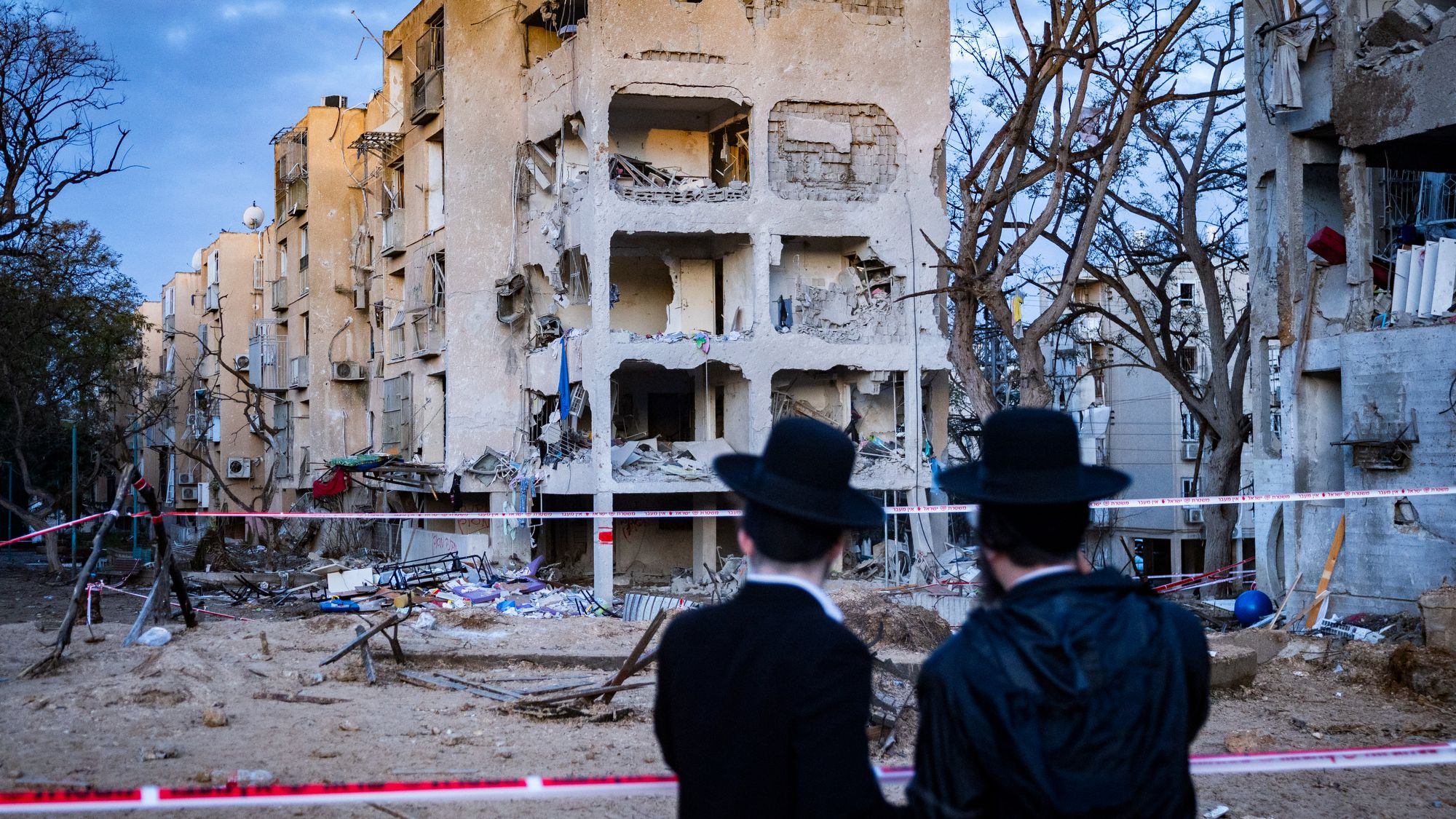
From Ukraine to Sudan, Gaza, Lebanon, Iran, and Venezuela, as populations suffer from war, bombs, occupation, militarization, and political violence, the damages extend far beyond the front lines: homes, hospitals, electrical networks, water supply systems, agricultural lands, and coastlines also bear the brunt of destruction. Armed conflicts are not just a human tragedy but also environmental disasters, with short and long-term consequences for public health, ecosystems, and the climate.
The war doesn’t just kill people and destroy their homes. It also damages the systems that make life possible, including water supply networks, purification stations, agricultural lands, ports, fuel depots, and electrical infrastructures. It leaves behind polluted air, contaminated soils, and unhealthy water long after hostilities end. Research indicates a common pattern in recent conflicts involving fires, toxic debris, damaged sanitation systems, collapsing public health systems, and ecosystems pushed beyond the point of no return.
These damages are not accidental. It’s one way war disrupts daily life.
In Iran, just days after the first American-Israeli strikes, energy became a battleground, with attacks targeting fossil fuel-related infrastructure.
The Strait of Hormuz has become a hotspot, with dozens of oil tankers carrying billions of liters of oil blocked in the Persian Gulf. Greenpeace Germany warned that even a single oil spill in the region could irreversibly damage the fragile marine habitat, with devastating consequences for local populations, animals, and flora in addition to the already severe human toll.
In Gaza, Greenpeace MENA’s analysis highlighted severe damage to water, sanitation, agricultural lands, and fishing, while estimates suggest that the first 120 days of the war released over half a million tons of carbon dioxide. This combination of bombings, infrastructure collapse, and pollution makes a place harder to live in, less healthy, and less resilient to climate change.
Sudan provides another striking example: research from the Conflict and Environment Observatory showed that the war led to increased deforestation, agricultural decline, industrial pollution, and the collapse of health and sanitation systems, compromising people’s access to food, water, and energy.
The climate cost of war transcends the battlefield. Researchers cited by the Conflict and Environment Observatory estimate that armed forces represent about 5.5% of global greenhouse gas emissions, while conflicts add to this through fires, fuel consumption, reconstruction, and destruction of public infrastructure.
War destroys ecosystems and weakens our ability to cope with heat, drought, floods, and crop losses in the future.
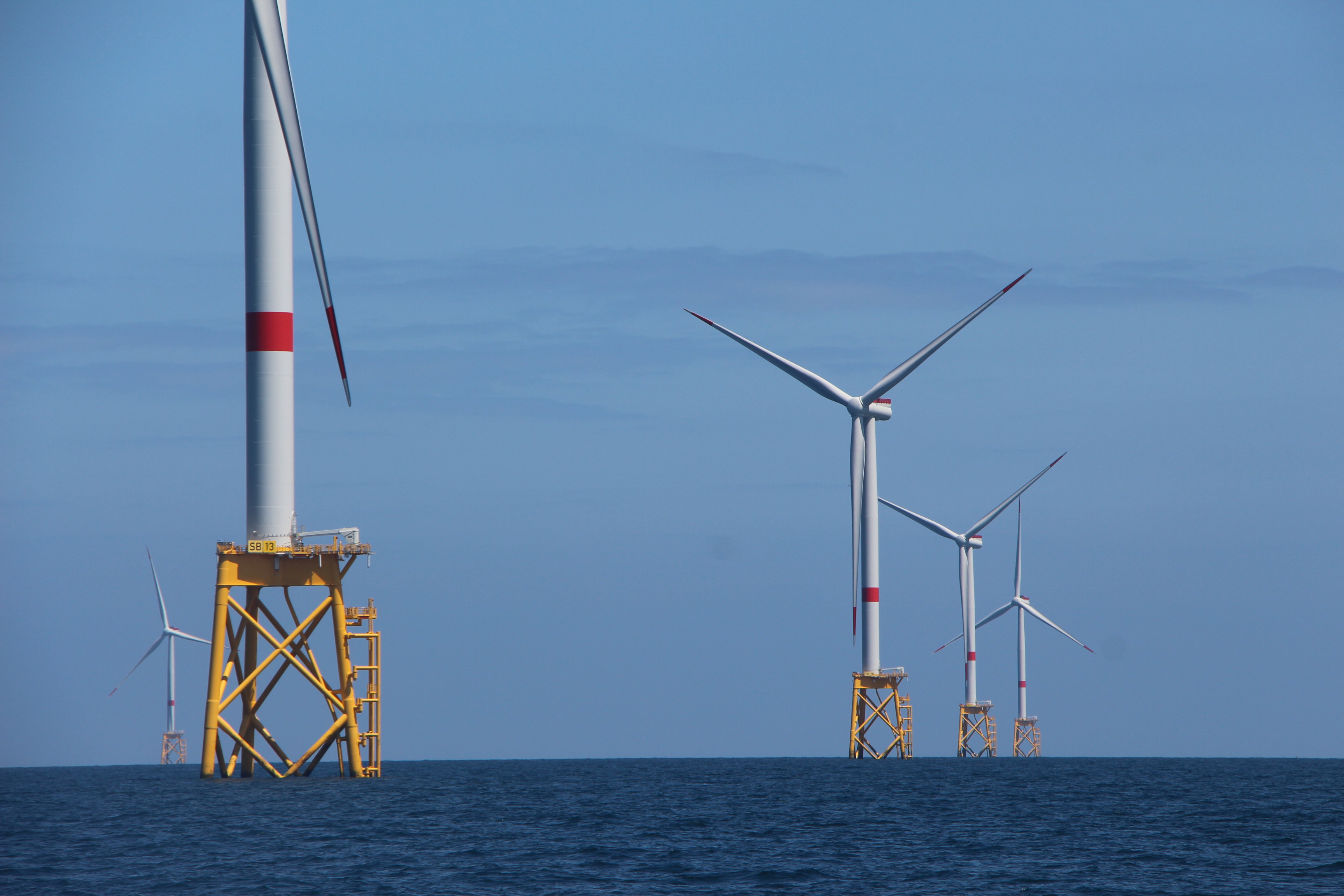
The article source, written by Mehdi Leman for Greenpeace International, sheds light on the environmental consequences of war and emphasizes the importance of transitioning to renewable energy to reduce environmental damages and dangerous dependencies that often exacerbate conflicts.
/2026/03/23/000-a4f99zq-69c179bdb35f2405925715.jpg "In Colombia, military plane crash kills eight and injures 83")