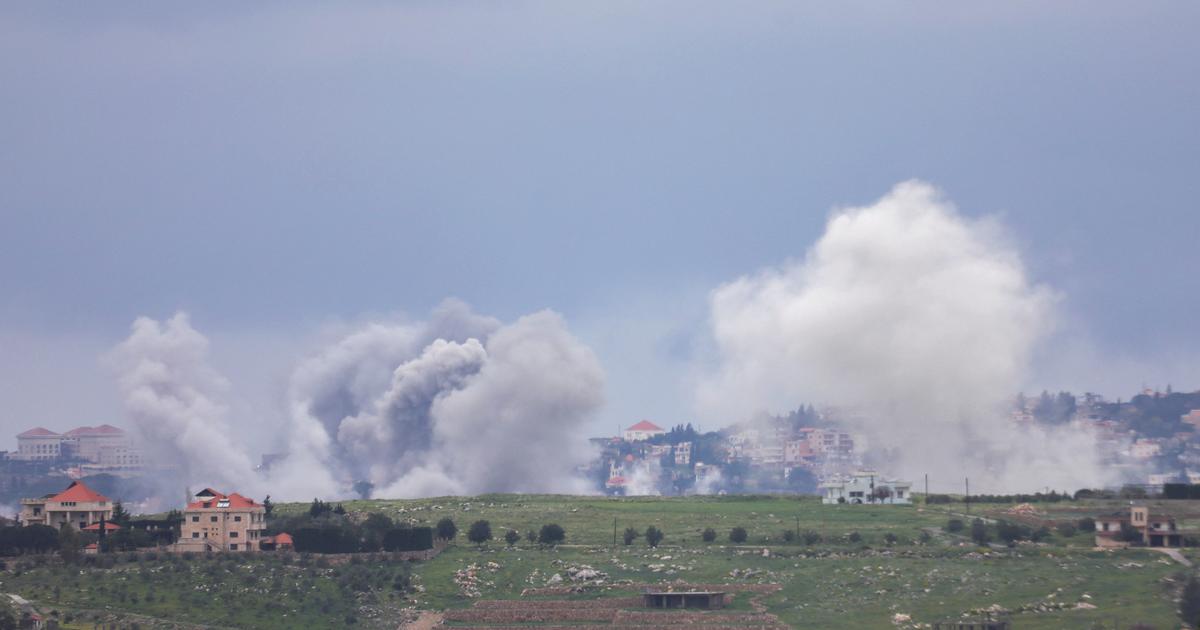
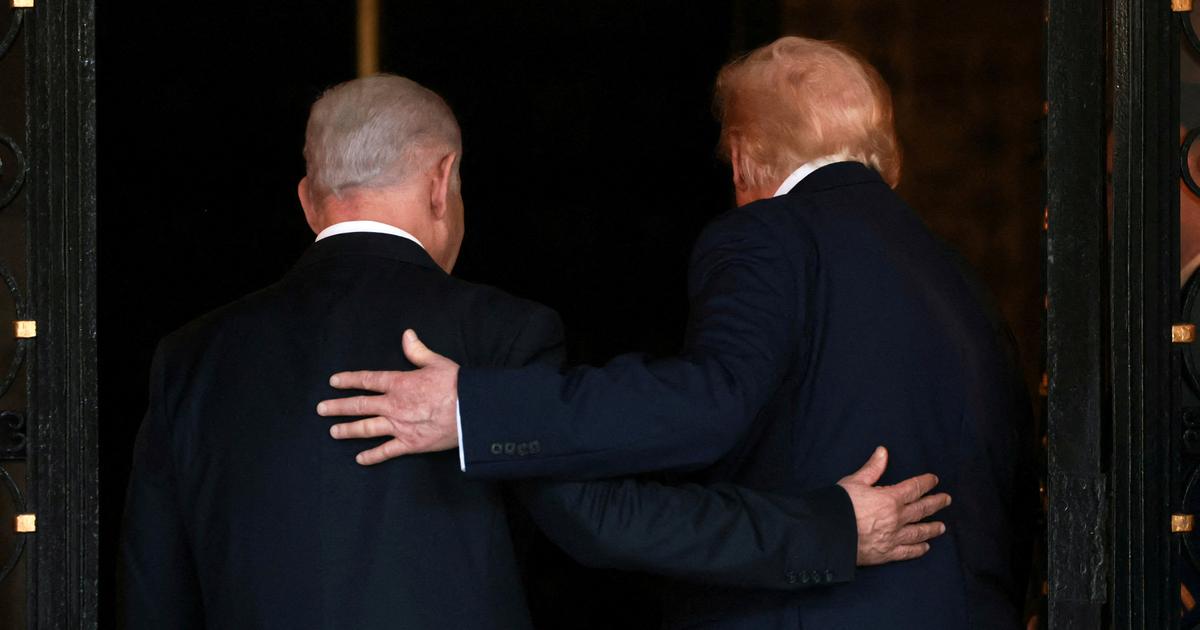
Here are the latest global economic developments on Sunday around 3:00 pm GMT, as the Middle East war has been ongoing for three weeks.
Iran threatens to completely close the Strait of Hormuz if Washington targets its power plants
Iran has stated that it would completely close the Strait of Hormuz, a strategic route for global oil supply, if Washington acts on its threat to target Iranian power plants.
Tehran had previously threatened to strike Middle East infrastructure in response to an ultimatum from Donald Trump to reopen the Strait of Hormuz within 48 hours, following Iranian strikes in southern Israel.
Without full and unconditional reopening of the strait, the United States will “strike and obliterate” Iranian power plants “STARTING WITH THE LARGEST!”, warned the American president on his Truth Social platform Saturday night.
The Iranian Energy Minister also reported “heavy damages” to national water and energy infrastructure following American-Israeli strikes. “The attacks targeted dozens of water transmission and treatment facilities, destroying critical supply networks,” he stated on Sunday.
Macedonia reduces VAT on fuels
In the Balkan country, the VAT on gasoline and diesel will decrease from 18 to 10%, announced Prime Minister Hristijan Mickoski, aiming to curb pump price increases due to the Middle East war.
This measure, effective from midnight on Monday and lasting two weeks, is expected to keep “gasoline prices unchanged, while diesel prices would increase by about three to three and a half denars (0.04 to 0.05 euro) per liter,” he emphasized.
Gasoline and diesel prices were around 1.40 and 1.49 euros per liter respectively on Sunday.
New fuel price increase in Sri Lanka
Sri Lanka announced a 25% increase in fuel prices on Sunday, the second hike in fifteen days as the country faces serious fuel supply challenges due to the Middle East war.
After initiating an 8% pump price increase earlier in the week, the government implemented a second hike, raising unleaded gasoline to 398 Sri Lankan rupees (1.30 dollars) per liter and diesel to 382 rupees (1.25 dollars).
Sri Lanka entirely relies on imported oil and coal for electricity production.
European Union urges less gas stock filling for next winter
The European Commission urges EU member states to reduce their gas storage filling target for next winter to lessen price pressures surging due to the Middle East war.
Instead of the usual 90% gas storage fillings for the upcoming winter, the EU encourages the Twenty-Seven to aim for an 80% filling target to “reassure market players,” according to a letter to the EU states from European Commissioner for Energy, Dan Jorgensen, seen by AFP on Saturday.
Twenty countries “ready to contribute to efforts” to reopen the Strait of Hormuz
Twenty countries – including the United Arab Emirates, the United Kingdom, France, Canada, and Japan – have announced their readiness to participate in the necessary efforts to reopen the Strait of Hormuz, effectively blocked by Iran since the start of the war.
In a joint statement, mainly European countries also condemned recent Iranian attacks on ships and oil and gas infrastructure, calling for an “immediate and global moratorium on attacks on civilian infrastructure.”
Amid soaring oil prices, Bangladesh seeks emergency financial aid
Bangladesh has requested over 2 billion dollars in emergency loans from international institutions to cope with the surge in fuel prices, caused by the Middle East war.
“The International Monetary Fund (IMF) has committed to a $1.3 billion loan, the Asian Development Bank (ADB) to 500 million in budget support,” stated Rashed Al Titumir, the economic advisor to Prime Minister Tarique Rahman to AFP on Saturday.
Iran claims no surplus tanker oil
The United States authorized on Friday the sale and delivery of Iranian oil and derivative products on vessels since at least March 19 until April 19, in efforts to curb energy price spikes due to the war.
“Currently, Iran actually has no surplus crude at sea or to supply international markets, and the US Treasury Secretary’s remarks are only aimed at giving hope to buyers,” posted Iran’s Oil Ministry spokesperson Saman Ghoddoosi.
Airlines’ ticket price hikes inevitable (Iata)
An increase in airline ticket prices is “inevitable” due to the surge in oil prices, according to the director general of Iata, the main global airline association.
Kerosene prices have doubled since the Israeli-American attack on Iran on February 28, noted Willie Walsh.