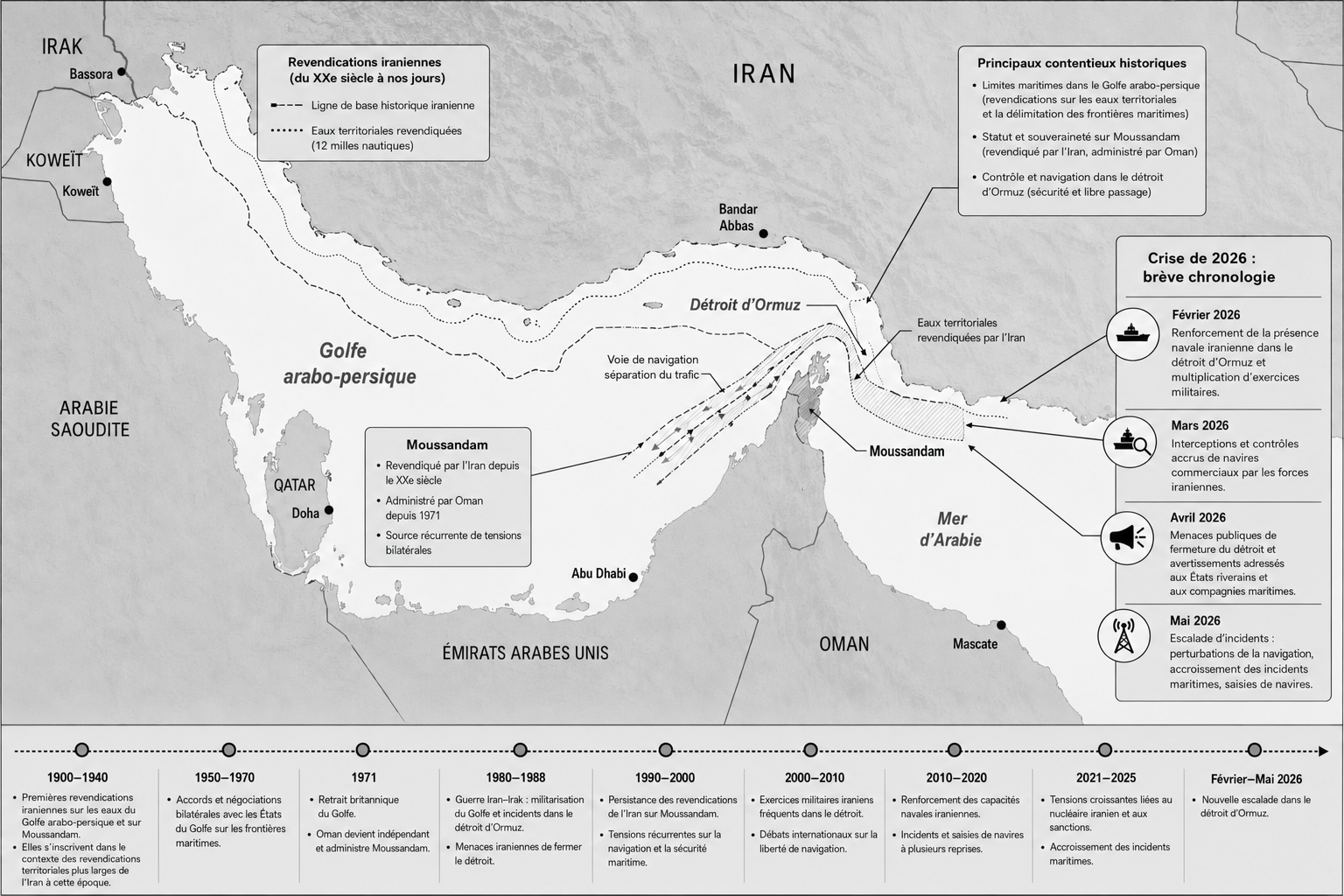
This time, is it the right one? Donald Trump tempered hopes on Sunday for an imminent agreement to permanently end the war in the Middle East. But on Monday, U.S. Secretary of State Marco Rubio stated that the United States was still on the verge of reaching an agreement with Iran.
“We have what I believe to be a fairly solid thing on the table regarding their ability to open the Strait of Hormuz, but also to ‘engage in negotiations’ on the Iranian nuclear,” the secretary said from New Delhi. “We thought we would have news last night, maybe today (Monday), I wouldn’t put too much on it,” he added.
Triggered on February 28 by an American-Israeli attack on Iran, the conflict has spread to much of the Middle East and has killed thousands, especially in Iran and Lebanon where the pro-Iranian Hezbollah movement joined hostilities in early March by targeting Israeli territory.
Oil prices fall back
As the United States works to find an agreement, President Donald Trump tempered hopes on Sunday, despite signs of progress from both sides. “I have instructed my representatives not to rush into an agreement, as time is on our side,” he wrote on his Truth Social platform, also warning that the blockade imposed by his country on Iranian ports would remain in place “until an agreement is finalized, certified, and signed.”
Donald Trump “will not sign a bad agreement,” emphasized Marco Rubio on Monday. According to American media, the one in preparation would allow ships to navigate through the Strait of Hormuz again, a passage through which a fifth of the world’s consumed hydrocarbons transited before the conflict. Fueled by hopes of an agreement, oil prices were falling back this Monday morning in Asia. Brent barrels from the North Sea and American WTI prices dropped by over 5% shortly after 6 a.m. (Paris time).
“60 days” before nuclear talks
According to CBS News, which cites sources close to the discussions, the latest proposal would also involve the unfreezing of some Iranian assets in foreign banks. “Despite discussions started today (Sunday), the United States continue to block certain clauses of the agreement, particularly the issue of blocking frozen Iranian assets, and these points remain unresolved at this time,” Tasnim news agency indicated late in the day. Fars reported that sanctions on oil, gas, and other petrochemical products would also be lifted for the duration of the negotiations to allow Iran to export these productions, crucial for its economy.
And Lebanon in all of this?
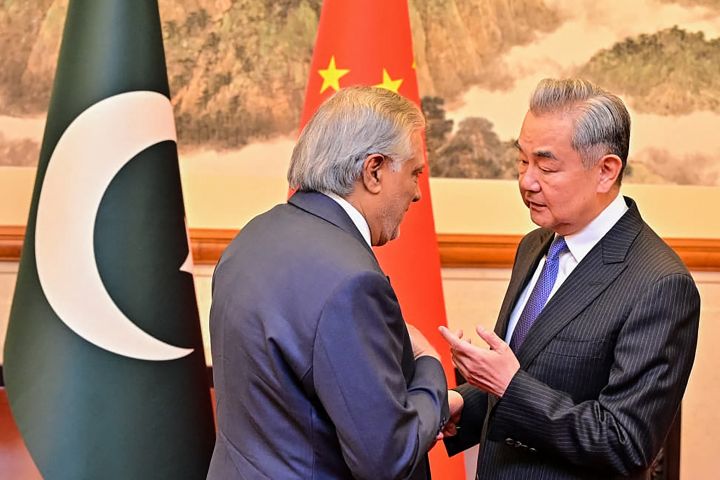
Israeli Prime Minister Benjamin Netanyahu said on Sunday that he had agreed with Donald Trump that any final agreement with Iran must “completely eliminate the nuclear threat.” Pakistani Prime Minister Shehbaz Sharif, a mediator in these negotiations, suggested on Sunday the scenario of a phased resolution of the conflict, expressing hope for “welcoming the next negotiation session very soon.” A first session was held in Islamabad on April 11, with no outcome.
On the Lebanese front, two people were killed on Sunday by Israeli strikes, following an Israeli raid that killed 11 people, as announced by the Ministry of Health, despite the current ceasefire since April 17. The Israeli army also announced on Monday the death of one of its soldiers in southern Lebanon.
Benjamin Netanyahu affirmed on Sunday that Donald Trump had, during their phone call, reiterated “the right” of Israel to defend itself on all fronts, especially in Lebanon. According to U.S. Secretary of State Marco Rubio, any agreement with Iran will guarantee this right. Hezbollah leader Na’im Qassem expressed hope that the agreement between Washington and Tehran would include his country. But the leader of the Shiite movement once again rejected direct negotiations between the Lebanese government and Israel, with a fourth session scheduled to start in early June in Washington, and warned that disarmament of his organization, demanded by Lebanese authorities, would fulfill an “Israeli project.”