In Washington, US officials express hope for diplomatic progress to end the war with Iran, awaiting a Pakistani mediator’s visit to Tehran.
“The Pakistanis are expected to arrive in Tehran today. Hopefully, this will move things forward,” said US Secretary of State Marco Rubio on Thursday before a NATO meeting in Sweden.
Progress has been reported in negotiations, with the situation described as “on the edge” by Donald Trump between reaching an agreement or a resumption of hostilities.
The powerful Pakistani army chief, Asim Munir, is reportedly visiting Iran to continue discussions with Iranian officials, although Pakistan has not officially confirmed this.
Pakistan has been actively mediating, with Interior Minister Mohsin Naqvi making two trips to Tehran recently to discuss the latest US proposal, which Iran is considering.
However, Iran has reiterated its demands, including the release of frozen Iranian assets abroad and an end to the American blockade of Iranian ports, affirming they will not yield to intimidation.
The Revolutionary Guards have threatened to escalate the conflict beyond the region if necessary.
Since a fragile truce took effect on April 8 after more than a month of fighting, discussions have been ongoing, with both countries maintaining their positions.
There was only one unsuccessful negotiation session held on April 11 in Pakistan.
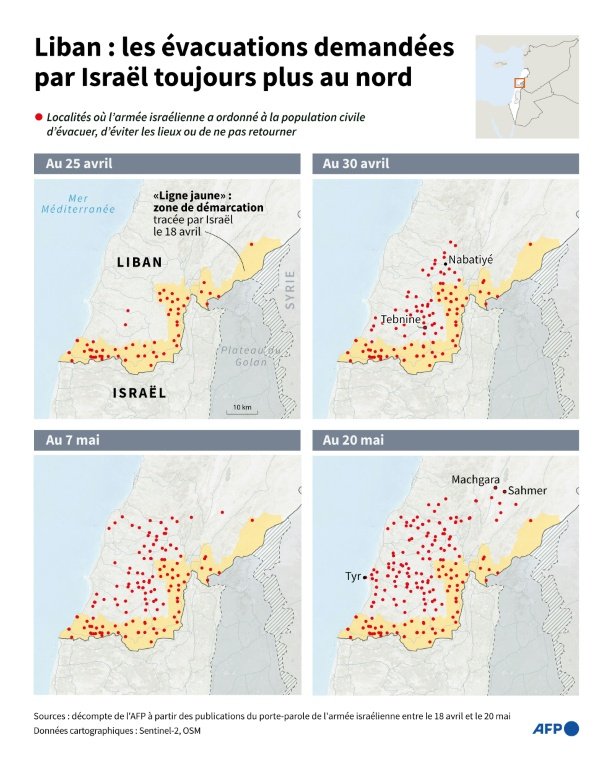
The conflict, triggered by an Israeli-American attack on Tehran on February 28, has resulted in thousands of deaths, particularly in Iran and Lebanon, where the pro-Iranian Hezbollah has clashed with Israel, leading to a southern invasion despite a ceasefire.
Efforts to reach an agreement with Iran are seen as crucial to saving time, energy, and lives, with Trump emphasizing the urgency for a swift resolution.
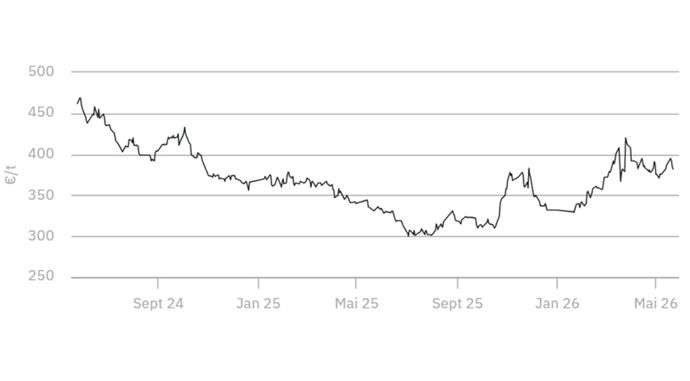
The situation has led to economic disruptions globally due to the strategic blocking of the Strait of Hormuz by Iran, responsible for a significant portion of global oil and natural gas transit.
US media reported diverging strategies between Trump and Israel’s Benjamin Netanyahu in an intense Tuesday phone call, revealing conflicting goals regarding Iran.
Another point of contention is the US allies’ reluctance to actively support the war in Iran, causing frustration in Washington.
In the midst of these tensions, Iran has announced the establishment of the Persian Gulf Strait Authority to oversee the waterway and potentially collect toll fees.
The conflict has also prompted the United Arab Emirates to announce a substantial aid package of over 350 million euros for local businesses.
The turmoil caused by the conflict has also impacted the Eurozone, with the European Commission significantly lowering growth forecasts for the 21 countries sharing the common currency.