1. ILO warns of the risk of losing tens of millions of jobs due to conflicts in the Middle East.
The International Labour Organization (ILO) warns that conflicts in the Middle East could result in the loss of 14 million full-time jobs this year if crude oil prices exceed 50% above their annual average level. This number could reach 38 million by 2027. Rising energy costs, trade disruptions, and supply chain tensions are severely affecting the global economy. Arab countries and the Asia-Pacific region are expected to be among the hardest hit due to their dependence on energy flows and fund transfers from Gulf countries.
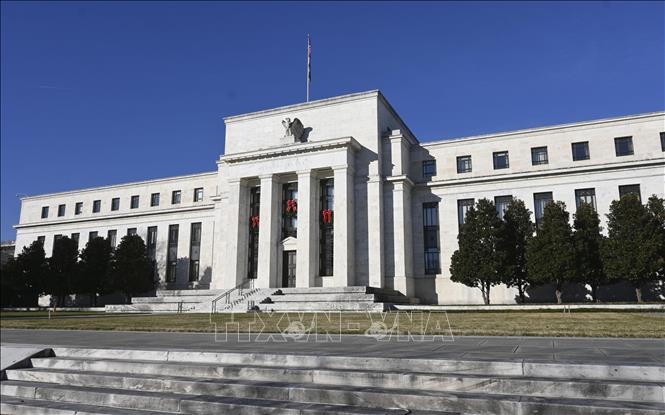
2. Kevin Warsh prepares to lead the Fed amidst inflationary pressures and rising interest rates.
Kevin Warsh will officially assume the role of Federal Reserve (Fed) Chair on May 22, succeeding Jerome Powell. He takes charge of the Fed in a context of persistent high inflation and stable labor market, tempering hopes of further rate cuts. Although appointed by President Donald Trump with hopes for rate cuts, experts believe the new chair may face pressure to maintain a restrictive monetary policy or even raise rates to control inflation and gain market confidence.
3. EU responds to soaring fertilizer prices due to conflict in the Middle East.
The European Union (EU) plans to unlock €200 million from its crisis agricultural reserve to support farmers facing soaring fertilizer prices. The blockade of the Strait of Hormuz, linked to the Middle East conflict, disrupted supplies and led to a rise in nitrogen fertilizer prices. The EU aims to diversify its supply sources and boost domestic production, ruling out the suspension of carbon border taxes on imported fertilizers to ensure fair competition for domestic industries and promote sustainable production.
4. Low-cost Asian airlines set to expand their operations.
Despite fuel price increases due to the Middle East conflict, Asian low-cost airlines are continuing their expansion plans. Companies like Zipair, Scoot, and AirAsia plan to acquire new aircraft and open new long-term routes. These airlines anticipate the conflict’s end and are confident in their long-term investment strategies, as fleet renewal generally occurs in 5 to 10-year cycles and is less sensitive to short-term market fluctuations.
5. U.S. grants temporary access to Russian oil for certain poorer countries.