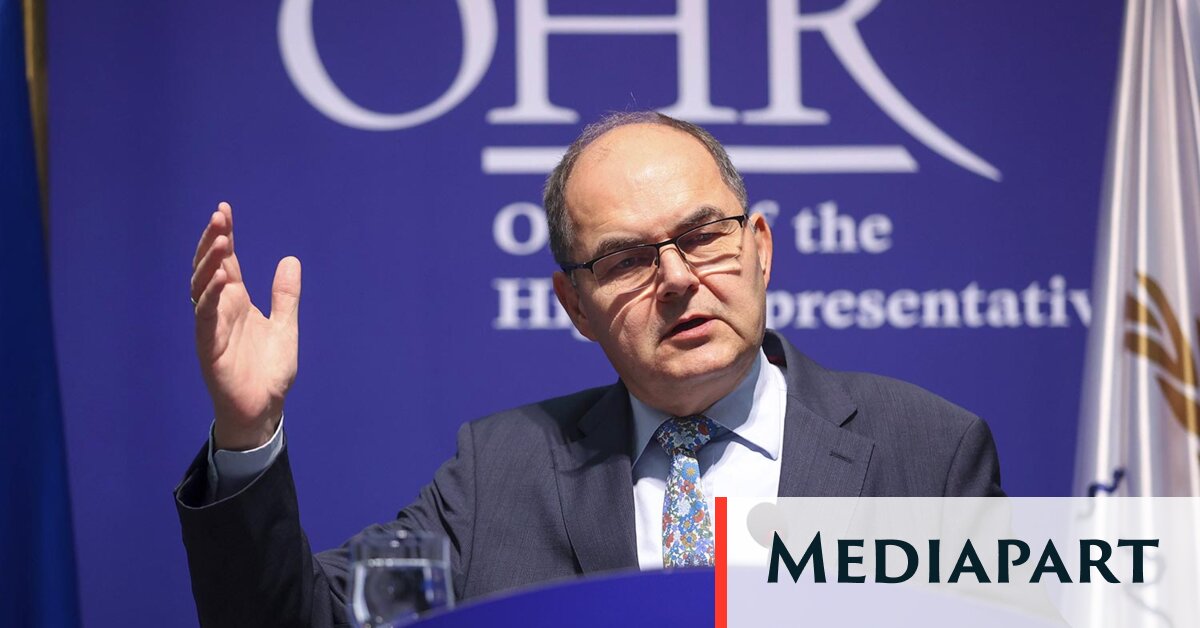
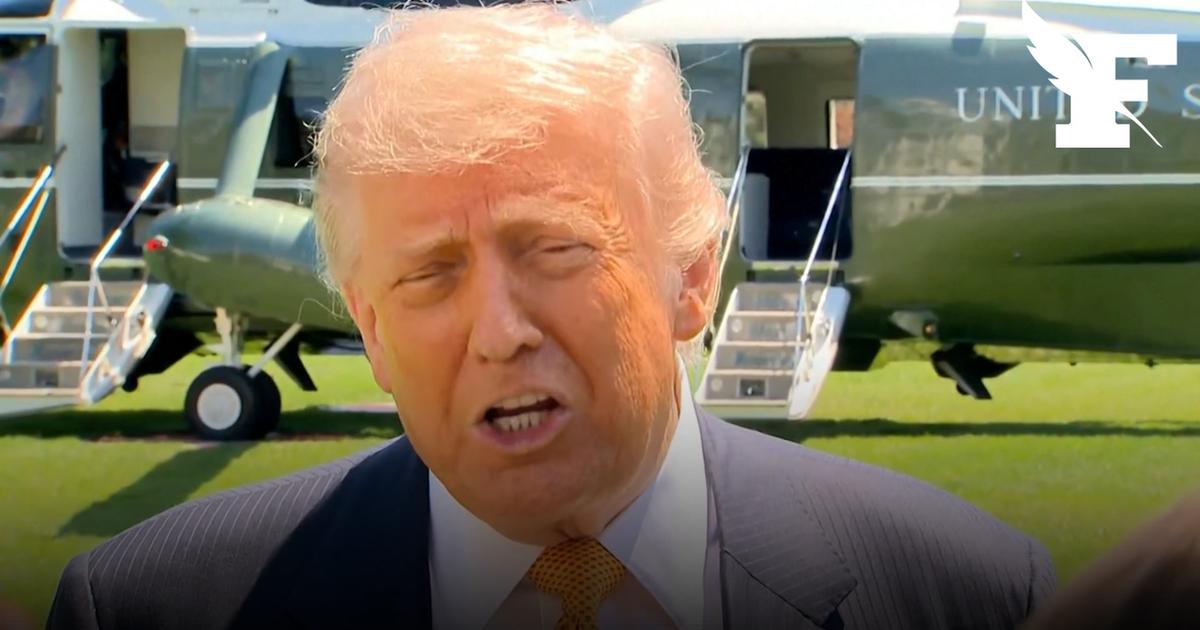
The American Senate on Wednesday confirmed the nomination of Donald Trump’s candidate, Kevin Warsh, to head the powerful United States central bank, the Federal Reserve (Fed).
Mr. Warsh, 56, only needs to take the oath before officially assuming his duties for a four-year term.
His nomination was confirmed by a vote of 54 to 45. Most of the Democratic opposition members voted against.
They doubt he will be able to withstand the pressures from Donald Trump, who expects lower interest rates to boost the American economy.
The President dismisses the current inflation surge, which the Federal Reserve is supposed to contain.
“Americans deserve to know clearly if Mr. Warsh is determined to defend the Federal Reserve in this period of unprecedented attacks and political pressures from the White House,” said Democratic Senator Chris Van Hollen before the vote.
“I hope he will act independently and make decisions based on facts and evidence, even when these decisions go against the president’s desires,” added the Maryland lawmaker.
The upper chamber, where the presidential camp has the majority, had already approved Kevin Warsh’s entry to the Fed’s Board of Governors for fourteen years.
Mr. Trump had considered appointing him to the top of the monetary institution since 2018, at the beginning of his first term in the White House. He eventually chose to renew Jerome Powell, whose term ends on Friday.
Donald Trump quickly regretted his choice and made it known by multiplying insults and pressures of all kinds against Mr. Powell.
Many observers believe Kevin Warsh will be removed if he does not lower interest rates.
However, the Fed President’s vote is not heavier than the other eleven people who vote on US monetary policy.
Most are currently focused on the rapidly increasing inflation due to the energy shock caused by the conflict in the Middle East. Consumer prices rose in April at a rate not seen in nearly three years (+3.8% year-over-year).
Powell remains at the Fed
Kevin Warsh will lead his first monetary policy meeting on June 16 and 17.
He returns to an institution he had already known as a simple governor (2006-2011) and will sit alongside officials whose choices he has strongly criticized.
The first among them is Powell, who led the Fed for eight years and decided to remain on the Board of Governors (he can do so until January 2028). The institution represents a form of protection for the one Donald Trump has targeted.
There is also Governor Lisa Cook, whom the American president also tried to dismiss. The Supreme Court is expected to soon render its decision on this matter.
“I do not think the independence of monetary policy is threatened when elected officials express their views on interest rates. The Fed’s independence depends on the Fed itself,” said Kevin Warsh to the senators who questioned him last month.
Investors are rather welcoming his arrival at the Fed.
They remember he was a “hawkish” central banker, concerned about inflation, and believe he will not defend unjustified rate cuts.
“Warsh might eventually vote for a rate cut,” says Mark Zandi from Moody’s, “but he knows he will not win because it will only be his vote, perhaps another, and all the others will not want to move, some even wanting to start raising rates given the inflation.”
AFP