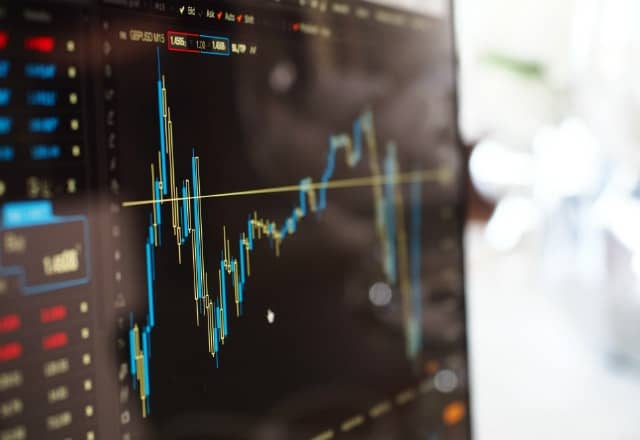
A situation that President Donald Trump loves has occurred multiple times since his return to power in January: economic forecasts are proven wrong, he dismisses them as catastrophist, and concludes that his policies are working. He brushes off bad news with a wave of his hand. Like on Tuesday, May 12th: inflation has reached its highest point in nearly three years, as the war he initiated against Iran is starting to drive prices up, but the Head of State assured that it was only “short-term” and preferred to emphasize the robust health of Wall Street.
However, the Chief Economist of Moody’s, Mark Zandi, points out, “The Stock Market is not the economy.” He explains that the ongoing stock market boom does not reflect the “fundamentals” of the world’s largest economy, as it seems to be evolving independently in the face of huge expectations placed in artificial intelligence. This surge in AI is believed to contribute to a positive outlook for the United States by generating significant investment spending, boosting stock values, and creating wealth among the affluent, thereby stimulating their consumption.
On paper, the numbers don’t seem alarming: 2% growth in the first quarter on an annualized basis, and 4.3% unemployment. But Mark Zandi warns that despite “absorbing numerous shocks without falling into crisis,” the economy is now in a “very precarious situation.” He fears that any decrease in demand could lead to layoffs, describing the inflationary pressure as a “real test for the economy.”
If the Middle East war ends quickly, he believes they can navigate through, but if it continues for two to three months, it could be insurmountable. This contradicts the optimism of Donald Trump’s economic advisor, Kevin Hassett, who predicted a drop in gasoline prices before the mid-term elections in November and suggested that growth could reach 4%, 5%, or even 6% by the end of the year.
Economists like Claudia Sahm caution that much is needed to destabilize the U.S. economy, which has emerged strongly from the Covid-19 pandemic. While potential uncertainties lie ahead, including a crisis of confidence, the sheer size of the American economy offers resilience against various pressures. Claudia Sahm also notes that a significant portion of the country pays little attention to what is happening in Washington.
The collapse of the American economy is not completely ruled out, but it would likely involve a more general crisis of confidence, particularly regarding artificial intelligence. Despite the accumulated shocks, vulnerabilities are heightened as compared to a few years ago.