Global stock markets remained focused on the progress of peace negotiations in the Middle East, while also digesting a new wave of corporate earnings.
In Europe, Paris lost 0.14% and Milan dropped 0.27%. London edged up 0.29% and Frankfurt gained 0.36%.
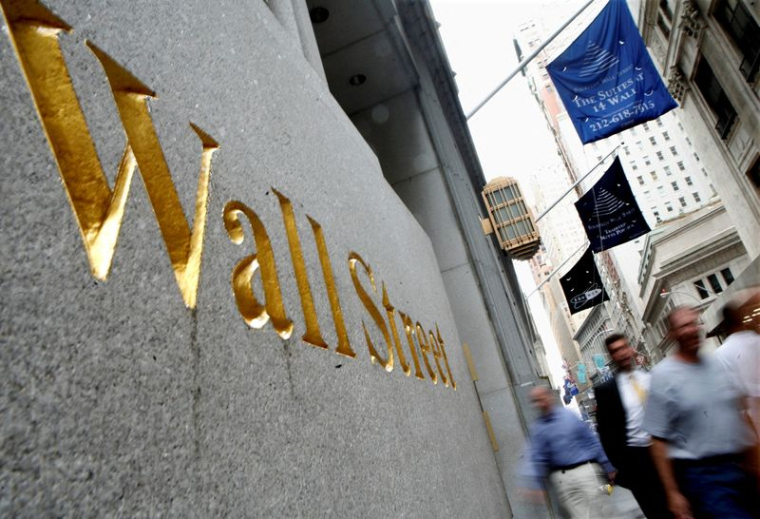
In New York, for the second consecutive session, the Nasdaq and the S&P 500 set new closing records, rising by 0.36% to 24,102.70 points and 0.26% to 7,041.28 points respectively. The Dow Jones increased by 0.24%.
According to Patrick O’Hare from Briefing.com, “the momentum is underway on Wall Street,” with investors driving the movement to test its limits.
O’Hare further noted that Wall Street is benefiting from “constructive signals” regarding the Middle East conflict, particularly from recent comments made by the American president.
President Donald Trump announced on Thursday that Iran had agreed to surrender its enriched uranium, a key demand for a deal with Tehran, and declared a ceasefire on the Lebanese front of the conflict.
“Iran has agreed to give us back nuclear dust,” stated the president, emphasizing the term he uses for enriched uranium stocks, while adding, “There are very good chances that we will reach an agreement.”
The Islamic Republic did not immediately confirm this information, as discussions continue under Pakistan’s guidance to arrange a second round of negotiations, following the failure of the first in Islamabad last weekend.
Oil Prices Rise
Despite ongoing caution regarding the situation in the Middle East, Jose Torres of Interactive Brokers pointed to the rise in oil prices on Thursday as evidence.
After initially being stable at the start of the session, the price of a barrel of North Sea Brent crude for June delivery rose by 4.70% to $99.39. The American equivalent, West Texas Intermediate (WTI) for May delivery, increased by 3.72% to $94.69.
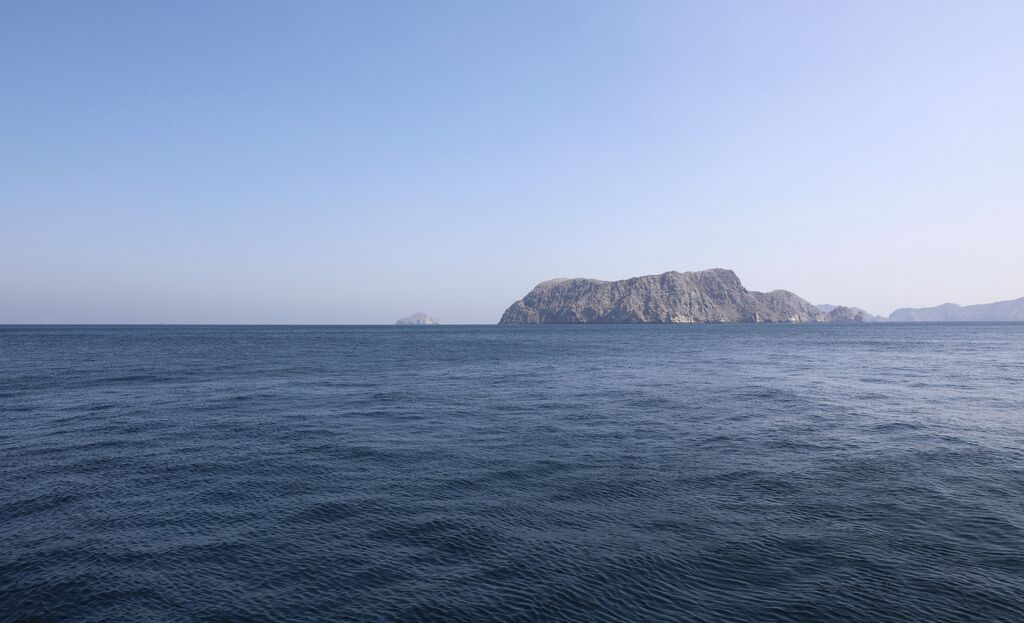
The Strait of Hormuz, through which a fifth of the world’s crude oil usually passes, remains blocked by Tehran.
“Physically, oil prices remain extremely high,” observed Stephen Schork of The Schork Group.
Taking into account diverted barrels via pipelines and the limited ships passing through Hormuz, the loss of Gulf oil has reached “approximately 13 million barrels per day,” according to ING.
“If the war were to intensify again and the Strait of Hormuz remained closed for several months, prices would once again spike significantly,” warned analyst Arne Lohmann Rasmussen of Global Risk Management.
Barry Callebaut Down in Zurich, Tesco Rises in London
Another market focus is on the ongoing earnings season on both sides of the Atlantic.
In Zurich, cocoa supplier Barry Callebaut plunged by over 15% after reporting below-expectation results for the first half and revising its full-year targets due to rapid cocoa price declines.
In London, Tesco, the leading British supermarket chain, announced an increase in profits for its 2025-2026 fiscal year but expressed concerns about the impact of the Middle East conflict on its current-year results. Its stock rose by 4.13%.
In Paris, French spirits group Pernod Ricard slipped slightly by 0.54% due to results affected by the Middle East conflict and ongoing negotiations for a merger with American company Brown-Forman, owner of Jack Daniel’s whiskey.
Meanwhile, in Wall Street, American snacks and beverages giant PepsiCo (+2.28%) reported strong first-quarter results, driven by robust beverage sales in its primary market, North America.