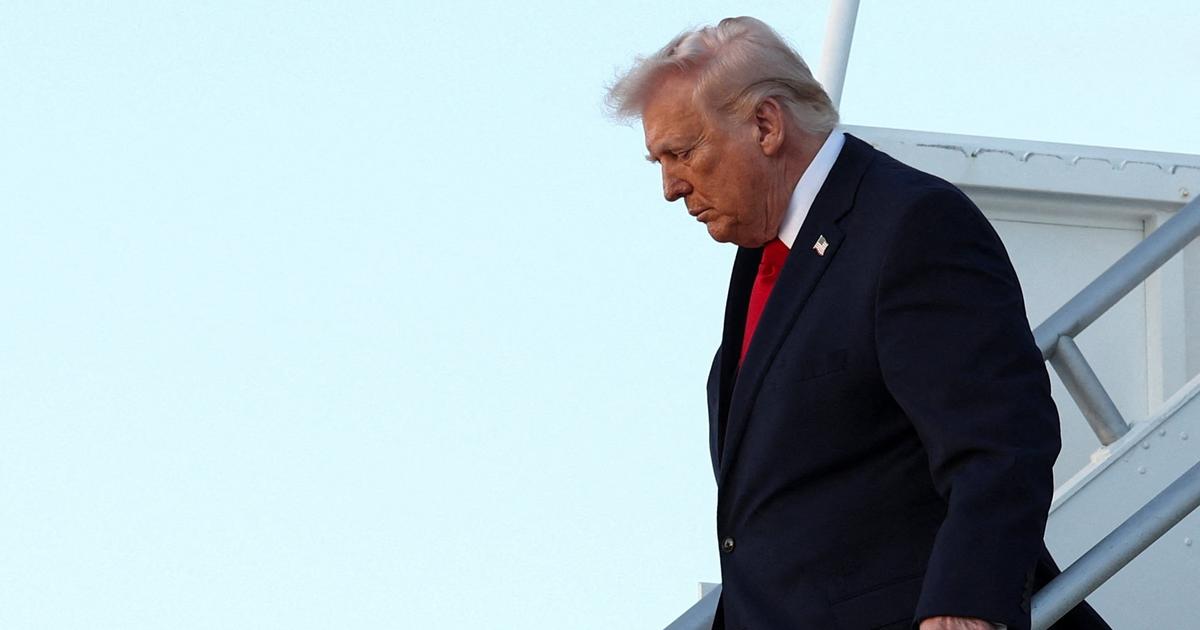
A statement by Donald Trump has abruptly revived tensions in global energy. By mentioning a possible blockade of the Strait of Hormuz after the failure of discussions with Iran, the American president has turned a diplomatic crisis into a major strategic risk for the global economy.
The Strait of Hormuz is one of the most sensitive geopolitical points in the global energy system. Each day, a significant amount of global oil passes through it between the Persian Gulf and international markets. When Washington talks about the possibility of a blockade or navigation ban, the announcement immediately goes beyond diplomatic boundaries: it touches the heart of global energy trade. According to information reported by Reuters, Donald Trump stated that the United States could prohibit or intercept ships paying fees to Iran for traversing the strategic maritime zone. Such a measure would effectively militarize commercial traffic in one of the world’s busiest sea lanes. The message to the markets is clear: if military tension translates into direct control of navigation, oil flows could be disrupted almost instantly. In recent history, every threat to Hormuz has caused immediate fluctuations in energy prices.
The American declaration comes after diplomatic discussions between Washington and Tehran failed. In this context, the White House seems to be returning to a strategy of maximum pressure aimed at weakening Iran economically. The message is twofold. Firstly, to prevent Iran from earning indirect revenues from maritime traffic. Secondly, to demonstrate that the United States remains capable of militarily controlling strategic energy routes. Iran, on the other hand, has already warned that any military approach to foreign ships in the area could be considered a violation of a fragile ceasefire. In other words: every additional naval patrol in the strait could become a potential incident. This dynamic recalls a constant in Gulf geopolitics: crises are rarely triggered by an official statement, but by a maritime incident, interception, or misinterpreted missile fire.
If the escalation continues, the central question will quickly become economic. The Strait of Hormuz is one of the main chokepoints for global oil passage. Even a limited disruption could cause a sharp price increase. Energy markets are particularly sensitive to political signals from the Gulf. Investors know that a naval conflict in this area could slow or interrupt exports from several major oil producers. This is why analysts often refer to it as an “energy chokepoint.” When tension rises around Hormuz, traders do not wait for actual traffic interruptions to react: the mere possibility is enough to raise price expectations. In this context, Trump’s statement has a broader strategic dimension. It sends a message to US allies in the Middle East, energy markets, and geopolitical rivals: Washington is ready to turn a diplomatic conflict into global economic pressure.
Beyond the confrontation with Tehran, this new escalation illustrates a deeper change in how major powers use commercial routes. For several years, strategic straits like Hormuz, Bab el-Mandeb, or Malacca have become instruments of power. Controlling these passages equates to having a direct lever on the global economy. The current crisis could mark a new stage: the overt militarization of a central energy corridor. If this logic persists, the Strait of Hormuz could become more than just a maritime passage. It could evolve into a permanent barometer of power rivalries. And in this type of crisis, history shows a constant: sometimes, the interception of a single ship is enough to tip the global balance.