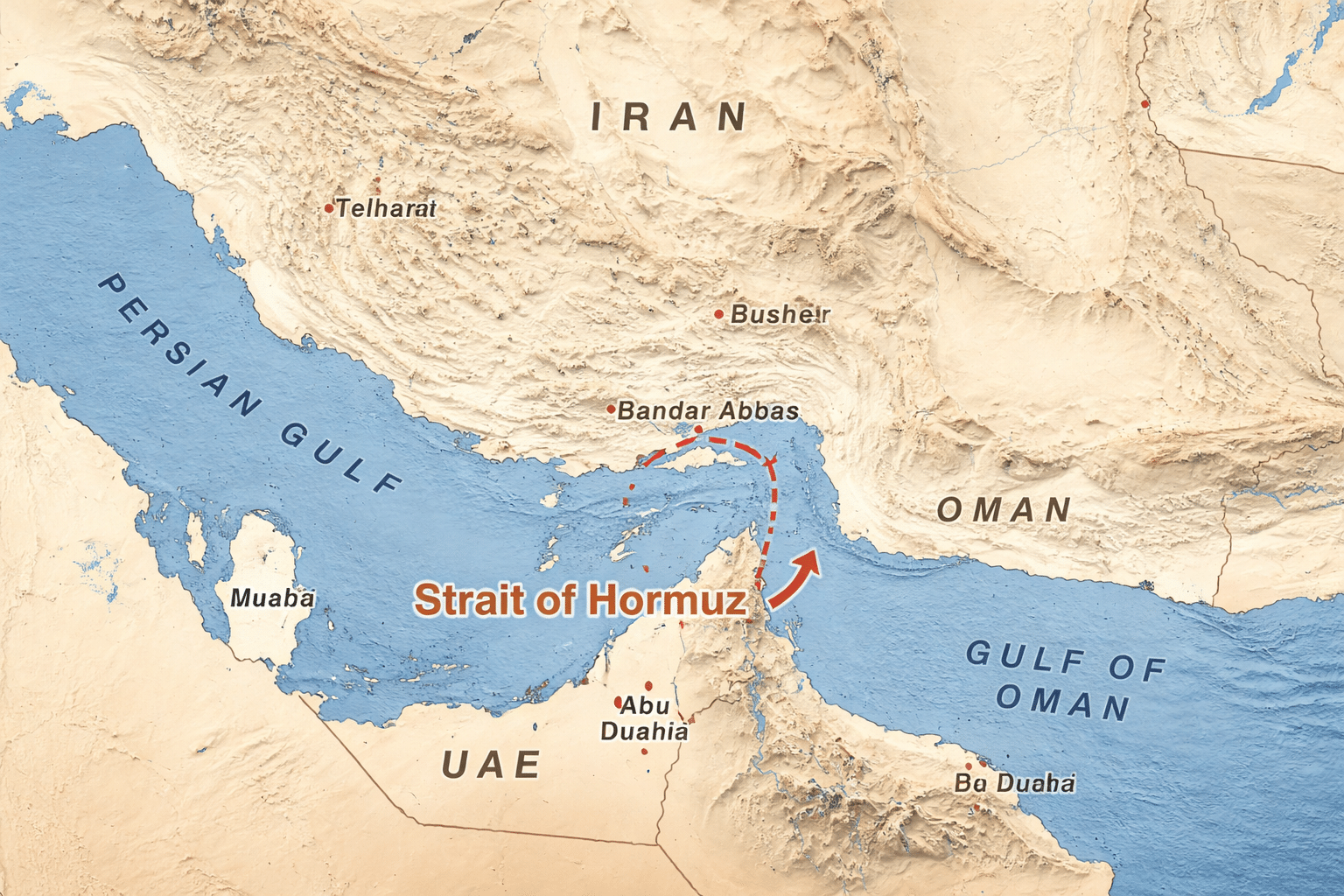
Context: Donald Trump announced a potential naval blockade on Iran following failed negotiations between the US and Iran. The blockade aims to impact Iran’s control over the Strait of Hormuz.
Fact Check: The content discusses potential military actions and diplomatic tensions between the US and Iran.
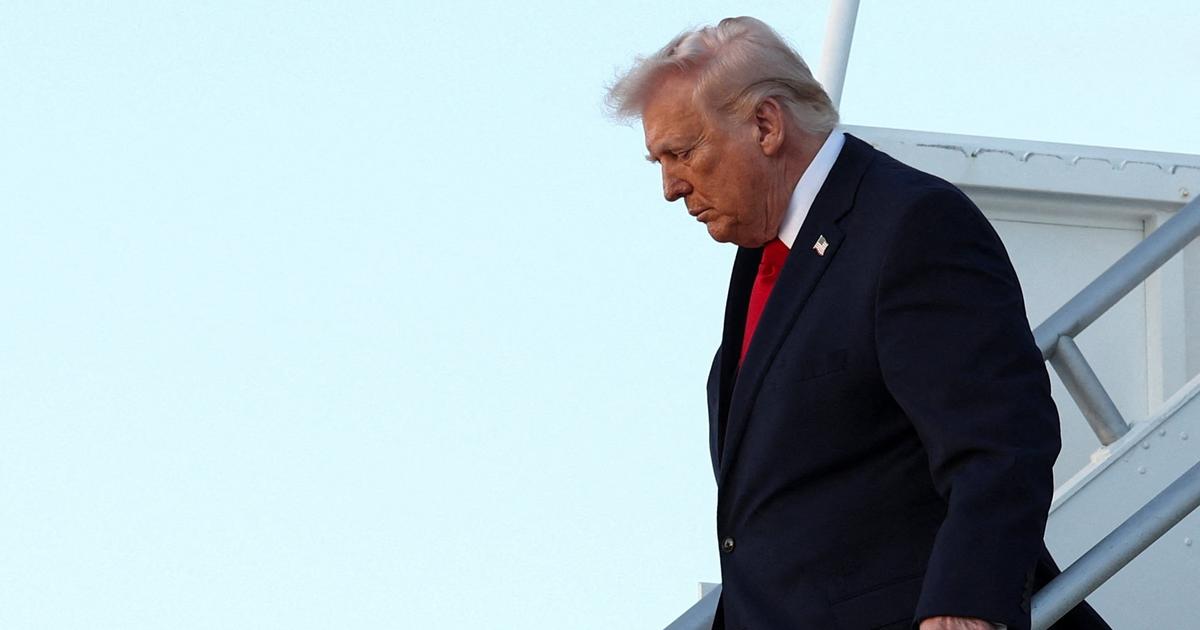
Donald Trump spoke after the end of negotiations led in Islamabad on April 11, which failed to reach an agreement between the United States and Iran. In a lengthy post published on his Truth Social platform on April 12, the president announced that the US military navy will block “any ship attempting to enter or exit the Strait of Hormuz.” Trump claims that “other countries” will participate in this blockade “without providing further details,” as noted by The Wall Street Journal.
“Iran has promised to open the Strait of Hormuz and has not done so, knowingly,” lamented the president in his post. He said the blockade “will be effective very quickly,” as he then stated on Fox News.
“Iran de facto holds the strait hostage, imposing a toll and limiting oil exports,” emphasizes Axios. “Trump’s blockade aims to shift the balance of power by depriving Iran of this negotiating leverage and preventing it from exporting its own oil,” the site adds.
At the same time, on April 12, the president was pleased to share an article from the Just the News website on his social network about the potential “map” of the blockade that Trump could use against Iran, similar to the situation in Venezuela before the capture of President Maduro.
“A naval blockade is considered an act of war,” states The New York Times. Its imposition “would likely have serious implications for other countries using this waterway,” the paper observes. According to the Wall Street Journal, such a blockade would be “a big economic gamble,” risking “more significantly affecting the global economy” by exacerbating energy supply difficulties and market fluctuations. “From an economic standpoint, Tehran seems in a better position, at least in the short term,” due to its lucrative exports since the conflict began.
“I have also ordered our naval forces to search for and prohibit any ship in international waters that has paid a toll to Iran,” the White House tenant declared in his lengthy post, adding that the United States will “start to destroy the mines that the Iranians have laid in the strait.”
These statements hint at a “naval escalation around the strait,” according to the New York Times, making the ceasefire concluded just five days ago even more precarious, as also noted by The Washington Post.
In his first significant response to the talks, Trump notes that Iran was not willing to abandon its nuclear program, echoing his vice president J.D. Vance’s comments. While highlighting an agreement on many subjects, Trump emphasizes the importance of not letting nuclear power remain in Tehran’s hands.
J.D. Vance and the speaker of the Iranian Parliament, Mohammad Bagher Ghalibaf, leading figures of both delegations in Pakistan, did not rule out diplomacy but both mentioned a deadlock.
Trump concluded his long post by warning that the US military is ready and will, “at the appropriate time,” he threatens, “liquidate what remains of Iran.”