
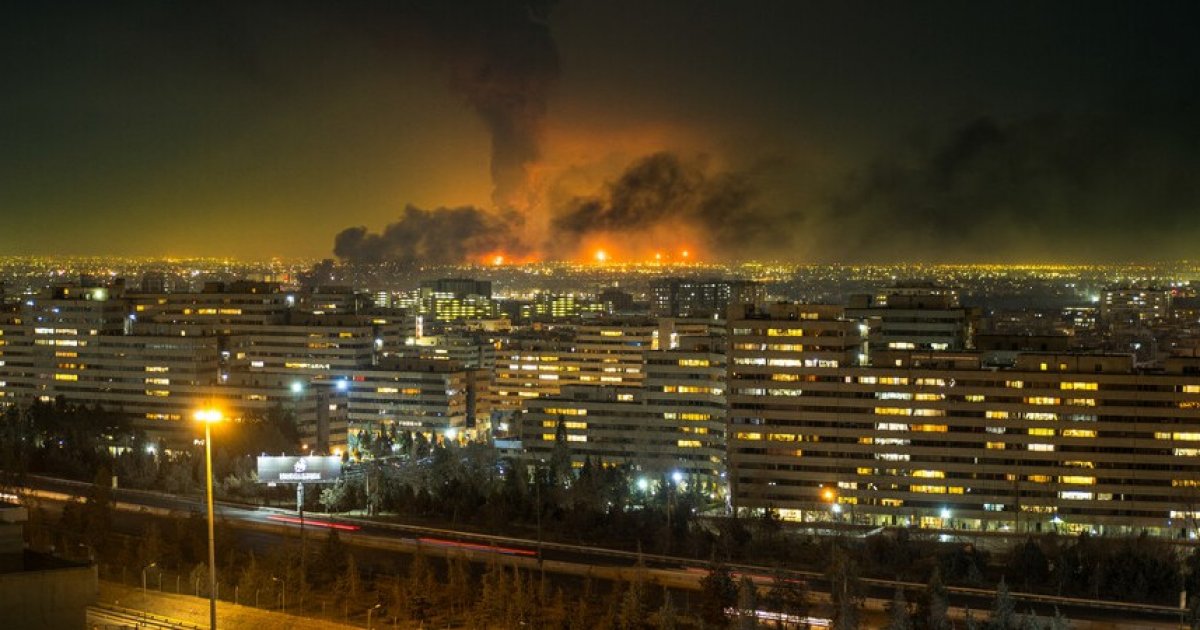
Mediator in these discussions of over twenty hours, Pakistan quickly called for the two-week ceasefire to be maintained, despite the failure to reach a lasting truce agreement. So far, neither party has commented on whether or not the ceasefire will continue, the first in the war triggered by the American-Israeli offensive on Iran on February 28, which has caused thousands of deaths in the region and continues in Lebanon.
Deadlock on the nuclear program
“We are returning to the United States without having reached an agreement,” said JD Vance during a brief press conference in Islamabad, where Americans and Iranians had been negotiating since Saturday, at an unprecedented level between the two enemy countries since the 1979 Islamic Revolution. “I think this is bad news for Iran more than it is for the United States of America,” he said. The American vice president lamented the absence of a “firm commitment” from Tehran to abandon its nuclear weapons program, a demand from President Donald Trump since the conflict began, shaking the global economy.
Iran confirmed the end of the discussions, attributing their failure to the “unreasonable demands” of the United States, according to the Iranian state television. “It was clear from the start that we should not expect to reach an agreement in a single negotiation session. Nobody expected that,” said Sunday Iranian Foreign Ministry spokesman Esmaeil Baqaei, referring to “an atmosphere of suspicion and distrust.” On the American side, JD Vance was accompanied by special envoy Steve Witkoff and Jared Kushner, son-in-law of President Donald Trump. Iran was represented by its influential Parliament President, Mohammad Bagher Ghalibaf, and Foreign Minister Abbas Araghchi, leading a delegation of around 70 people.
The strategic question of the Strait of Hormuz
The American vice president hinted that he was giving Iran more time to consider the U.S. offer. “The fact is simply that we need a formal commitment from them not to seek a nuclear weapon and not to seek the means to quickly make one,” said JD Vance. “The question is simple: do we see a fundamental commitment from the Iranians not to develop a nuclear weapon – not just today, not just in two years, but in the long term? We have not seen that yet. We hope to see it,” he continued.
While JD Vance placed the nuclear question at the heart of the discussion’s failure, he did not explicitly mention the Strait of Hormuz during his press conference. This strategic passage for global oil supply in the Gulf has been effectively blocked by Iran since the beginning of the conflict, with cascading consequences on the global economy, including shortages and price hikes. The Iranian Foreign Ministry spokesman mentioned the “complexity of the issues and conditions surrounding the negotiations.” “During this cycle, new topics have been added, including the question of the Strait of Hormuz and regional issues, each with its own specific conditions and considerations,” added Esmaeil Baqaei.
Thousands of deaths
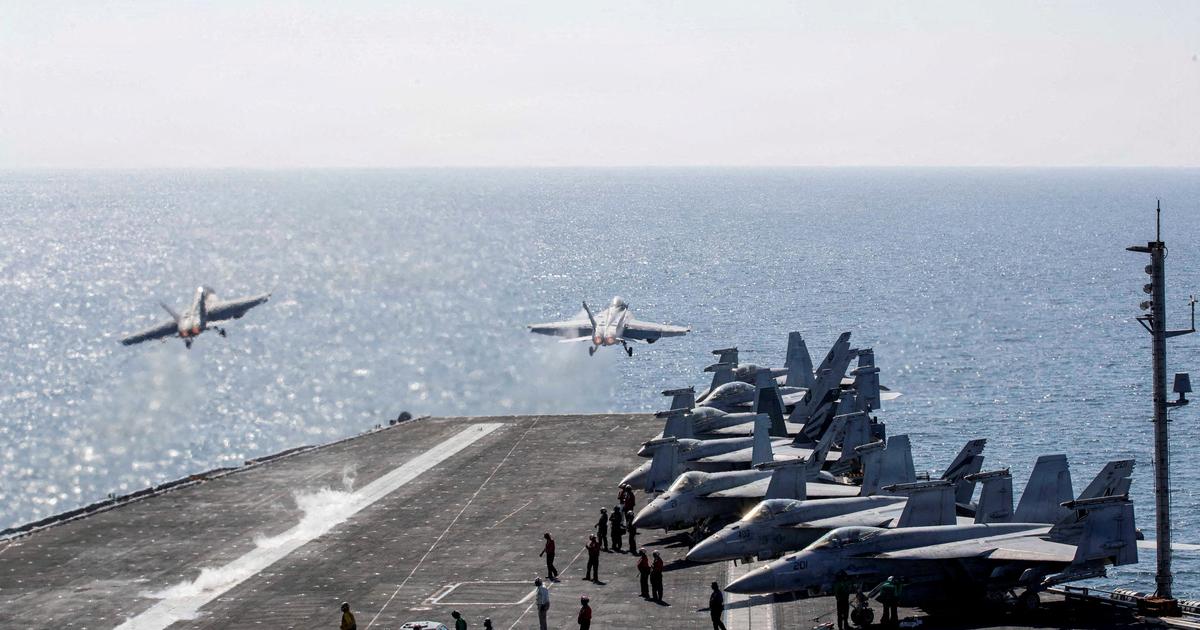
The U.S. military stated on Saturday that two of its destroyers had crossed the strait in a pre-clearance operation. “We are sweeping the strait,” Donald Trump added to the press. The Revolutionary Guards, the ideological armed force of the Islamic Republic of Iran, warned on Sunday that they would act “severely” against military ships passing through the strait. “I don’t care if an agreement is reached with Iran or not,” Donald Trump also said on Saturday, while the discussions were still ongoing in Pakistan. “We have defeated them militarily,” he assured.



/2026/04/12/69db98825b071697638115.jpg "REPORTAGE: Are we going to wage war all our lives?: after the failure of negotiations between Washington and Tehran")

