American negotiators begin peace talks with Iran this Saturday. But as tensions mount, will the American vice president succeed where Trump failed?
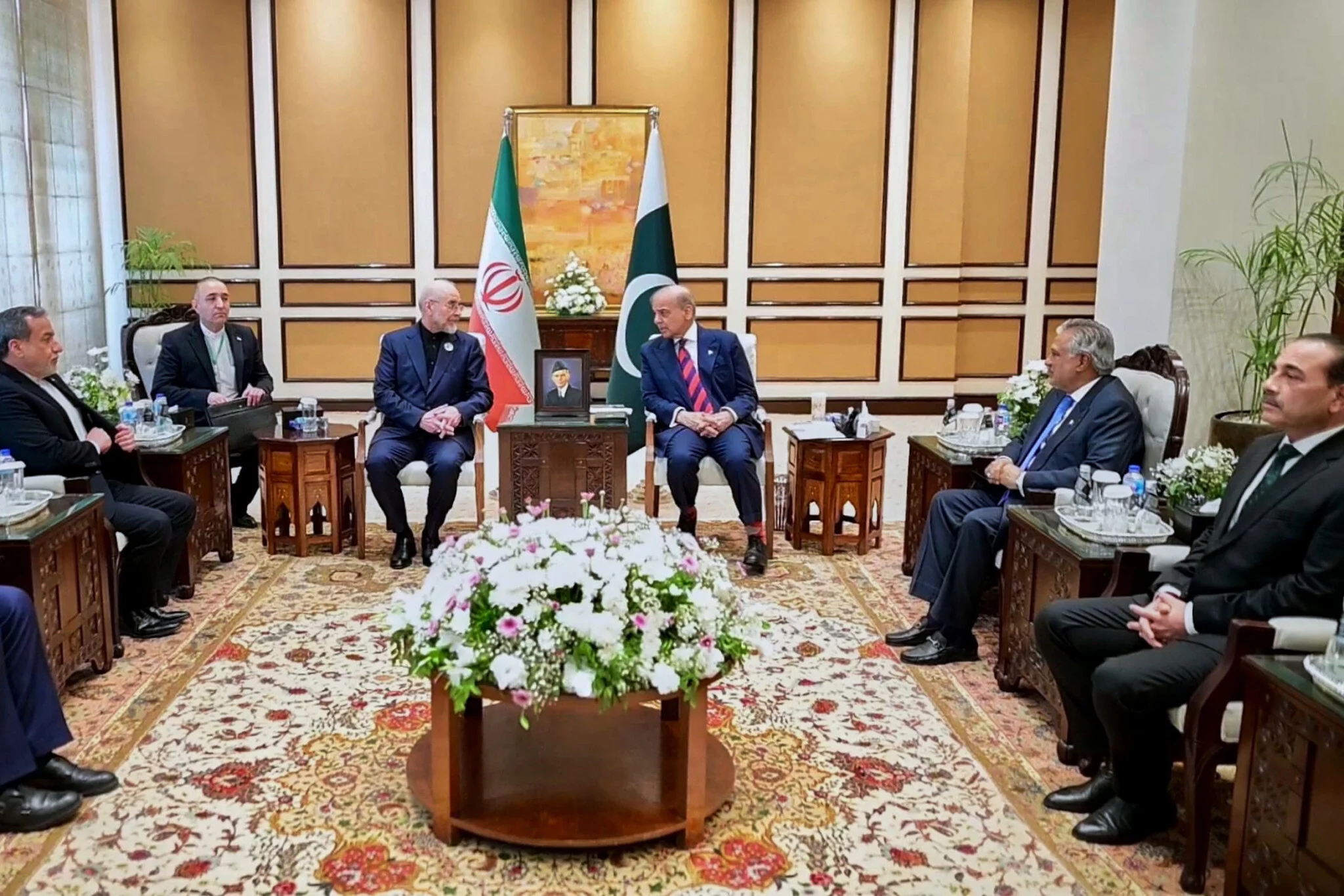
This third round of negotiations will be more effective than the first two? After weeks of flip-flopping and threats of annihilation, dialogue has reopened this Saturday, April 11, between the United States and Iran. Vice President JD Vance, Commissioner Steve Witkoff, and Donald Trump’s son-in-law, Jared Kushner, have landed in Islamabad, Pakistan. The three men hope to turn the current fragile ceasefire into a lasting peace agreement.
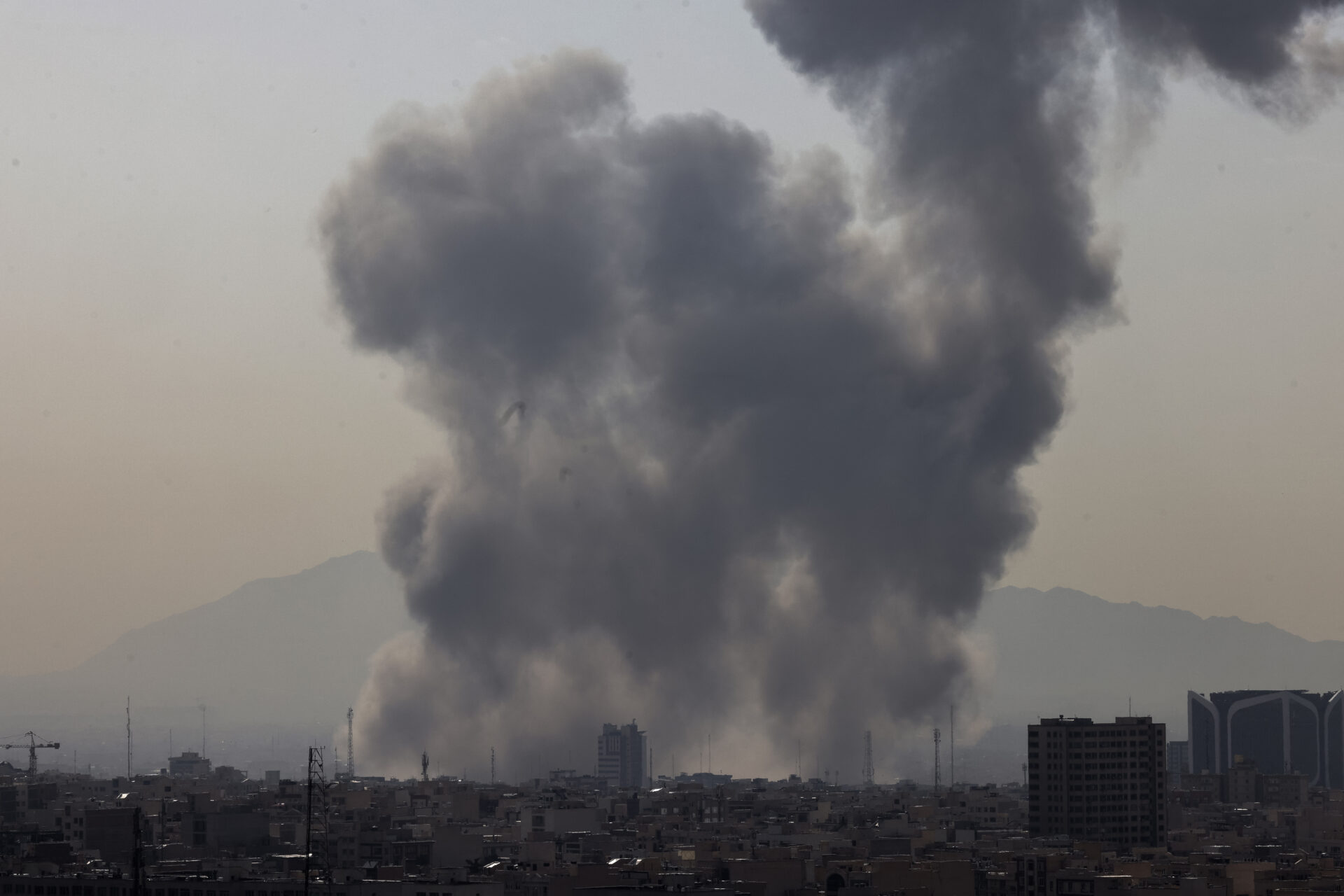
If the ceasefire has so far brought some calm to the region, Lebanon has been heavily bombed by Israel, with over 300 people killed on just one Wednesday.
Before boarding, ambitious JD Vance expressed confidence, stating, “looking forward to these negotiations. I think they will be positive.” He added, “If the Iranians are ready to negotiate in good faith, we are ready to reach out to them. If they try to manipulate us, they’ll quickly see that our negotiation team will not be receptive.” He emphasized that Donald Trump had given him “clear instructions.” On the other hand, Iranian Foreign Minister Abbas Araghchi assured that Iran approached talks with the United States with “deep mistrust.”
The meeting this Saturday will mark the highest level of dialogue between the United States and Iran since the Islamic Revolution of 1979. But it may not lead to an agreement. “It’s a real balance of power. The outcome of this meeting will depend on the political will of both parties,” highlighted Thierry Coville, a specialist on Iran at the IRIS. He added, “Both parties must show realism regarding their personal objectives. And this lack of realism, contrary to what some claim, is rather, in my opinion, on the part of the United States.”
Nuclear Iran
The Iranian nuclear program and the fate of the country’s current stocks will be at the heart of the discussions. The United States remains firm: as Secretary of Defense Pete Hegseth reiterated recently, Iran cannot maintain this nuclear capability. Before the US strikes in June 2025, the country had about 440 kg of enriched uranium at 60%, according to the IAEA. Some of these stocks have since disappeared, raising suspicions that they may be hidden in tunnels at the Isfahan site.
Iran may not agree to give in on this crucial point. According to Thierry Coville, “Not only has the Iranian regime insisted on this right since the 2000s, but they have also just fought for five weeks with the world’s largest and regional power. I can’t see them backing down on this issue.” He added that this point has “almost become a matter of principle and national pride, as they have not yielded on it for two decades.”
Strait of Hormuz
The opening of the strategically important Strait of Hormuz, through which about 20% of the world’s oil passes, will also be a topic of discussion. Tehran reportedly intends to maintain the passage rights system it has de facto established (the country would claim one dollar per barrel of oil passing through the strait).
The US position could be more flexible on this issue than on the nuclear issue. Donald Trump initially expressed openness to the payment system before backtracking, facing challenges justifying such a toll on a maritime route where ships previously moved freely. According to the Fars agency, close to the Revolutionary Guards, traffic, heavily slowed until now, was even halted after the Israeli strikes on Lebanon.
Military Withdrawal
Tehran also wants the ceasefire to apply to Lebanon, after the massive and deadly strikes in recent days. Washington seems, for now, to reject this point and refuses to expand talks to this front.
Iran also demands a “non-aggression” principle, which would put an end to any military action against its territory, strikes on its allies, and the complete withdrawal of US troops from the region. This point is also likely to be debated, as Washington is reluctant to abandon its deterrence mechanism in the region and instead wants to propose strict oversight of the Iranian ballistic program. Lastly, Tehran will likely demand the lifting of economic sanctions against it.
If all these points could lead to the failure of a lasting agreement, the lack of preparation for these talks could also jeopardize a lasting agreement. “It seems very difficult to reach a comprehensive agreement in two weeks, given the diversity of points and dissensions. A new provisional agreement seems more realistic,” said Thierry Coville.
JD Vance’s Personality
Nevertheless, the researcher notes an element that could favor the smooth progress of these negotiations: “The positive point is the presence of JD Vance to negotiate this agreement and be seen as the one leading the American talks.” He is “more capable of conducting real negotiations” than his co-negotiators Steve Witkoff and Jared Kushner, partially responsible for past negotiation failures and “who, at least for Witkoff, did not understand certain Iranian proposals: they do not have the technical skills to understand the situation and its ramifications.”
The vice president is a strong opponent of US wars in the Middle East, and reports from across the Atlantic have mentioned that he was one of the few voices to oppose Trump in intervening on site before the initial bombings. Since the conflict began, he has been more discreet. He remains very close to the president, which raises questions: Is Trump capable of flexibility in these talks? While the Iranians can be extremely radical, we are starting to understand the negotiation style of the White House resident: overturn the table to get what he wants. Apparently, his method does not work in this particular case.