Meet Andie Carrillo, zoology preparator with the Denver Museum of Nature and Science and a STEM mentor for Girls & Science. Some parts of her job can be self-admittedly “a little bit gory,” but her passion for making research specimens for the zoology collection at the DMNS makes it all worthwhile.
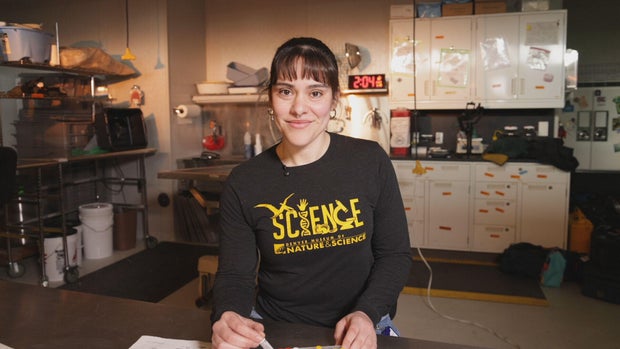
Some of the daily activities during Carrillo’s day at the office include measuring bird beaks, but the process typically involves many steps. She also takes care of the flesh-eating beetle colony at the DMNS and makes sure they are happy and healthy while they help clean skeletons.
“The main goal is to have something, a specimen that is very stable, that can stand the test of time and can produce really good scientific work,” said Carrillo.
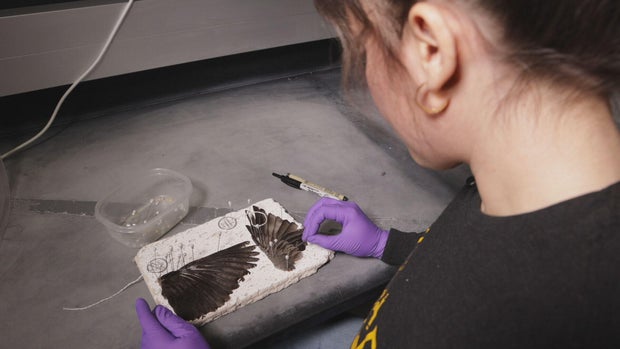
She said stabilizing a specimen means preserving the parts, like pinning a wing to a board in just the right extension. Her work goes way beyond skin deep.
“All the squishy bits — that’s gonna rot, and so my job is to ensure that it doesn’t rot. The parts that we want — typically skins, skeletons, tissues — we preserve them in such a way that they won’t rot when they’re in the collection,” said Carrillo. “For example, skin, we need to clean off all the fat, we need to clean off all the tissues and all the muscle that may get stuck to it, and then once we air dry it, it’s perfectly stable and can go down to the collections completely safe.”
Carrillo said being a preparator is not for the faint of heart.
“We have lab coats that we wear to keep the blood and guts off of us,” said Carrillo. “Especially for those larger animals, it can get very, very messy… a little bit gory, but it’s all in the name of science, so it’s OK.”
“It’s so fun, I think it’s a lot of fun.”
Birds are only part of the job. She works on all types of animals, but flamingos hold a special place for her.
“I think my favorite, favorite thing to work on has been a flamingo. Flamingos are really fun because they’re quite big and they’re very technical because they have that really long neck and they have those super long legs, and so you have to do some different processes to get them stable for the collections,” said Carrillo.
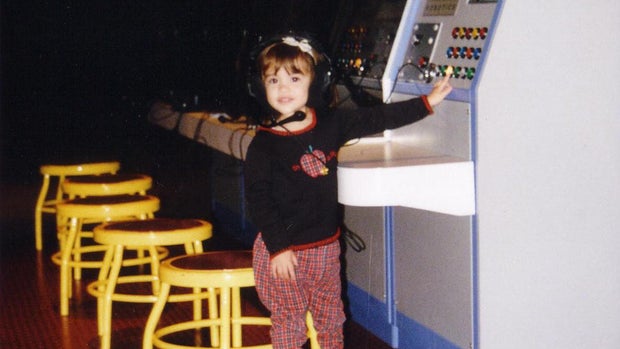
She has wanted to work with animals since she was a young girl, “I always really loved animals, so I think when you’re a kid, a veterinarian is the number one thing that people tell you to do.”
She said that she remembers first being interested in science around 6 years of age. Carrillo said she remembers playing with insects in the big field at school instead of playing with her classmates.
Veterinarian was her number one career goal right up until her freshman year at college when she decided the pre-vet track didn’t quite fit.
“Maybe pre-vet is the wrong thing for me, maybe I should be in wildlife, and I had a conversation with that collections manager. She was really encouraging me to take a look at the course catalog — because that was back when it was a book — take a look at the course catalog and highlight all the classes that I thought were interesting, and I did just that, and all the wildlife ones were highlighted,” said Carrillo.
She said her wildlife major taught her all about mammals, birds, fish, and reptiles. It was her internship that introduced her to preparation.
“I think I’m really proud of the impact that the work that I do can make on science. Without my role, without my job, we won’t have specimens to put into the collection,” said Carrillo.
She said that she believes girls should be in STEM to have better representation in STEM data and that the lack of representation can lead to inaccurate science.
As the DMNS shares its zoological collection, Carrillo’s work is answering scientific questions in labs all over the world.
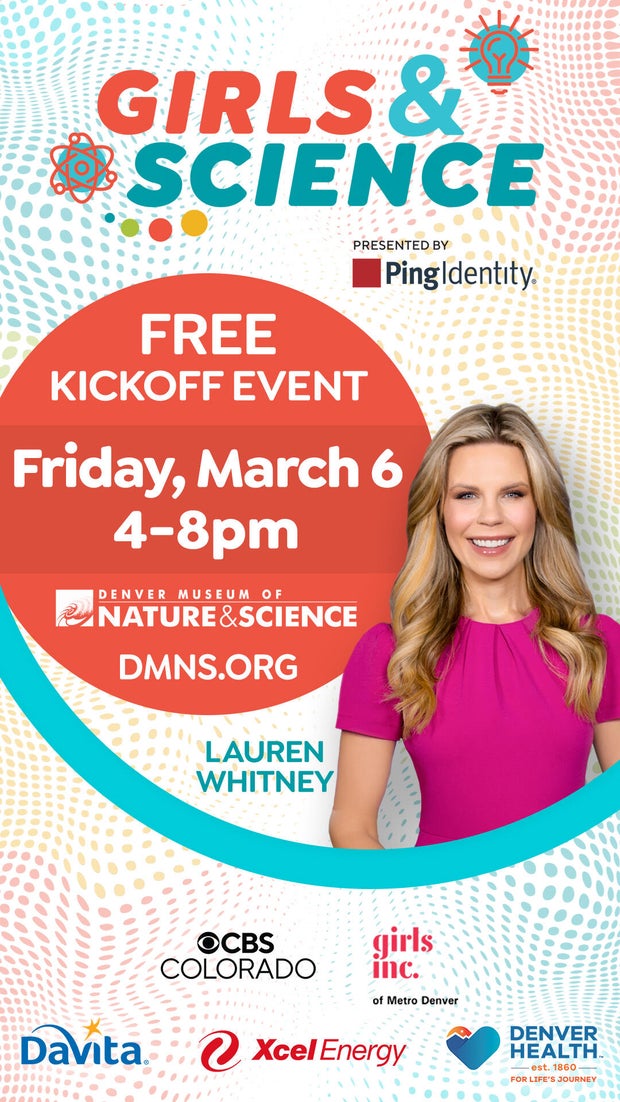
Carrillo will be in the new Teen Zone at the free Girls & Science kickoff event at the Denver Museum of Nature and Science from 4 p.m. to 8 p.m. on Friday, March 6. There is a link to register for the event and check out other activities scheduled throughout the month of March online.